
当日/次日达

品质保障

开启新人专享福利: 全场免邮 | 低至 2 折 | 免费试用 30 天 JoyPlus 会员
下载 Joybuy
Pouring oil straight from a large bottle can quickly turn into a messy affair: splashes, greasy marks on the worktop and imprecise measuring. A kitchen oil dispenser helps you control the amount you pour, while making it easier to store cooking oil, frying oil or sauces.
Yet certain details are often overlooked in product descriptions. A drippy spout, an opening that’s hard to clean or an ill-suited capacity can make an oil dispenser frustrating to use day in, day out. Here are the points to check before you order, along with a selection of models suited to different needs.
A narrow spout doesn’t guarantee accurate pouring. If oil clings to the tip, it’s likely to run down the side of the bottle after each use. It’s better to look for an anti-drip or non-return spout, along with a stopper or lid that can protect the opening from dust.
For sesame oil, soy sauce or a dressing oil used sparingly, precise flow control is especially handy. On the other hand, for a cooking oil destined for a family frying pan, a wider opening can make filling and cleaning easier.
Oils can spoil when they come into contact with food residue, while complex mechanisms can trap deposits. A clear glass oil dispenser lets you keep an eye on its contents, but it also needs to be wide enough to reach the sides easily.
Check whether the different parts are removable, whether the manufacturer recommends hand washing, and whether any wooden components need to be protected from prolonged soaking. A design that’s easy to rinse will often be more useful than an extra feature that’s fiddly to maintain.
A 90 to 150 ml bottle works well for an oil sprayer or a flavoured oil used occasionally. For a household that cooks regularly, a capacity of 500 to 1,000 ml will be more practical. Bear in mind, though, that a large full bottle can become heavy to handle with one hand.
Also, avoid transferring cooking oil without keeping the essential information from its original packaging. For longer storage, note the type of oil and its opening date, then keep the container away from heat and light.
Glass lets you check the level and type of liquid at a glance. Soda-lime glass is common in kitchen bottles, while borosilicate glass is known for better resistance to temperature changes. In any case, you should avoid knocks and follow the manufacturer’s instructions.
A stainless steel oil bottle, particularly 304 stainless steel, offers greater protection from light. However, it doesn’t allow you to see the oil level and may need hand washing, especially if it has a wooden handle.
Compare the different options available:
For frying oil, also check the maximum temperature stated on the food product’s label. A domestic dispenser isn’t necessarily designed to hold hot oil.
A 280 ml bottle is suitable for versatile use without cluttering the worktop. Sizes from 500 ml to 1,000 ml reduce how often you need to refill, but require a stable base and a comfortable handle. A non-slip design is also welcome when your hands are damp or greasy.
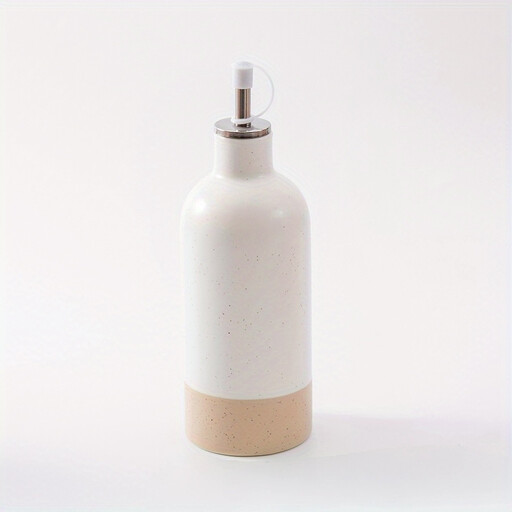
Why this choice suits this profile: This set of two bottles lets you separate, for example, a cooking oil and a dressing oil, without cluttering the worktop with extra containers.
The two containers reduce repeated decanting and lower the risk of mixing different oils.
A two-piece set and a size suited to simple worktop organisation.
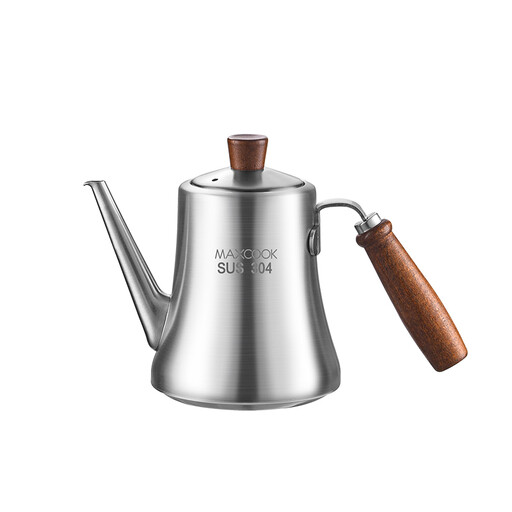
Why this choice suits this profile: Its 304 stainless steel construction, handle combining stainless steel and beech wood, and silicone lid will fit right into a kitchen used every day.
The eagle-beak shaped spout is designed to minimise drips and run-back down the side.
304 stainless steel, non-slip handle and a wide opening said to make filling easier.
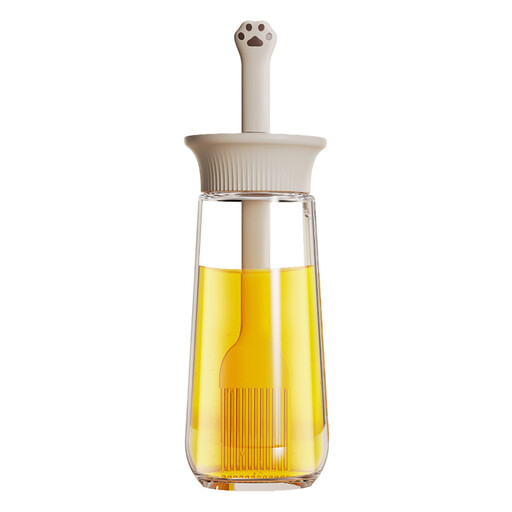
Why this choice suits this profile: This size is aimed at those who regularly brush vegetables, pastries, meats or baking trays.
The integrated brush means you don’t need to buy an extra accessory, while the removable system makes cleaning the different parts simple.
Clear soda-lime glass, silicone brush and 280 ml capacity.
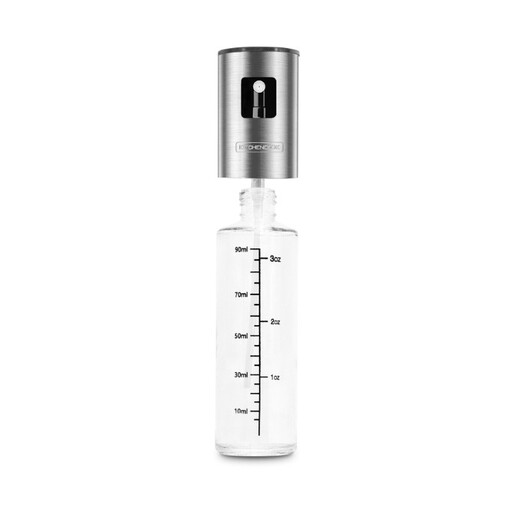
Why this choice suits this profile: Its small reservoir is ideal for salads, tins, roasted vegetables and preparations that need an even distribution of oil.
Its 90 ml capacity limits prolonged storage, while the transparent reservoir lets you keep an eye on the remaining level.
Glass and stainless steel, refillable reservoir and fine spray function.
We’ve put together a comprehensive, real-time updated selection of products that meet these exacting criteria and comply with European safety regulations.
The choice of container also depends on the oil you’re using. Sesame oil, such as Yeo’s sizes of 150 ml, 375 ml or 640 ml, is typically used for marinades, noodles, sauces and finishing dishes. Its strong flavour may justify using a dedicated small oil dispenser.
For everyday use, an oil combining rapeseed and sunflower can work well for both dressing and cooking, depending on the instructions on the label. Oils intended for frying should stay in their original packaging or be transferred to a container designed for that purpose. Always follow the maximum temperature and instructions stated on the product.
Empty the container, take apart the removable parts, then wash them in warm water with a mild washing-up liquid. Rinse them thoroughly and dry them completely before refilling the dispenser. For a model with a wooden handle, avoid prolonged soaking and abrasive sponges.
The length of time depends on the type of oil, its opening date and storage conditions. Keep the dispenser closed, in a cool place away from light. If you rarely use an oil, opt for a small bottle to limit the time elapsed after opening.
It can be handy for oiling a pan, a baking tray or vegetables, but check the instructions before filling it. The KitchenCook Spray90 model, for example, states not to use hot liquid and not to exceed its 90 ml capacity. For everyday cooking, a sprayer won’t necessarily replace a larger-capacity oil dispenser.