
Livraison le jour même ou le lendemain

Qualité garantie

Débloquez vos offres de bienvenue: Livraison GRATUITE | Jusqu'à -80 % | 30 jours d'essai gratuits à JoyPlus
Téléchargez l'application
As a Product Expert at Joybuy, I test and analyse hundreds of kitchen utensils every year. If there's one item that is a source of major frustration, it's the oil dispenser. We all know the nightmare of the sticky supermarket oil bottle that leaves greasy rings everywhere. Switching to a dedicated kitchen oil dispenser seems like the perfect solution, but be warned: if you choose poorly, it can quickly become a new headache.
Too many users regret their purchase, ending up with an object that complicates things instead of simplifying them. To avoid falling into the same trap, here are the three main pitfalls to watch out for before you buy.
Choosing the right oil dispenser means finding the perfect balance of material, mechanism, and ease of maintenance—all tailored to your cooking habits.
To ensure you make the right choice, here are the technical points that make all the difference in daily use.
The choice of material has a direct impact on oil preservation, aesthetics, and the durability of your utensil.
This is the crucial element. A good mechanism is the difference between a practical utensil and something you'll curse every day.
A well-designed oil dispenser should be as easy to fill and clean as it is to use.
Rather than looking for a one-size-fits-all model that does everything mediocrely, it's better to choose one that perfectly suits your needs. Here are our recommendations.
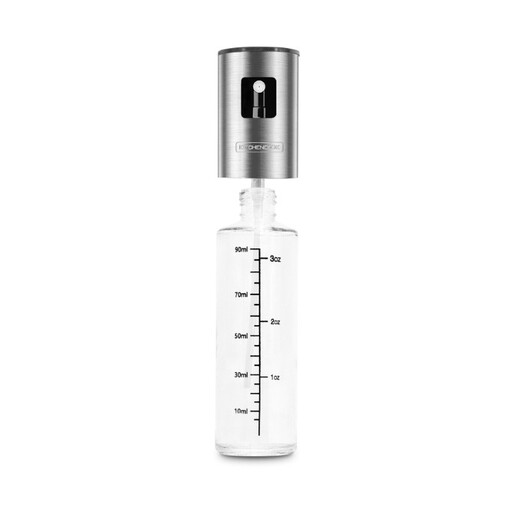
Its Strong Suit: For those looking to reduce their fat intake without sacrificing flavour, this sprayer offers pinpoint control. It's perfect for dressing salads, prepping pans before cooking, or lightly and evenly oiling a baking dish.
Its pump mechanism is designed to produce a fine, consistent mist, avoiding the "squirt gun" effect and rapid clogging common in low-end models.
Combines a glass oil bottle for neutral taste with a stainless steel head for durability. Its versatility allows it to be used with oil, vinegar, or lemon juice.
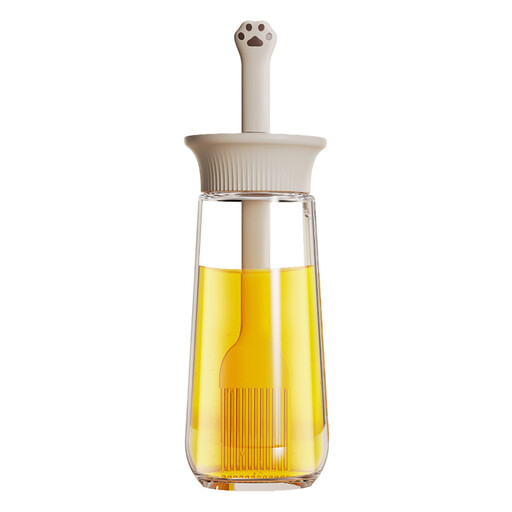
Its Strong Suit: This 2-in-1 tool is especially handy for basting meats before grilling, drizzling over vegetables, or greasing baking pans. It eliminates the need for a separate brush and bowl of oil, making the process cleaner and much faster.
Its integrated design (brush and lid) prevents splashes and messes. Unlike a traditional brush that drips on the countertop, this one stays clean, housed in its own reservoir.
The brush is made of food-grade silicone, which is heat-resistant. The entire unit can be disassembled, making it very easy to clean for impeccable hygiene.
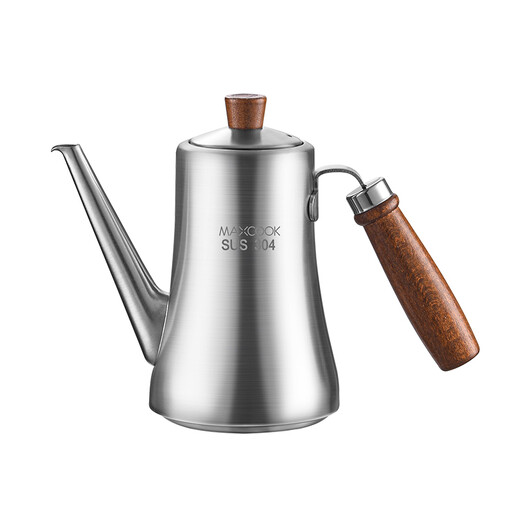
Its Strong Suit: With its large 1-litre capacity, this oil dispenser is designed for heavy use. It's ideal for families who cook a lot or for enthusiasts who are generous with their daily olive oil, whether for cooking or dressing.
Its "eagle beak" spout is specifically designed for a clean cutoff of the oil stream, without a single drip down the side. It's a true drip-free oil dispenser, even after repeated use.
Robust construction in 304 stainless steel that protects the oil from light. The ergonomic beech wood handle provides a stable and comfortable grip, even with one hand.
Explore our full selection of oil dispensers and cruets that meet our quality standards.
For regular cleaning, hot water and dish soap are sufficient. Use a bottle brush to reach the bottom of the bottle. For rancid oil residue, half-fill the dispenser with hot water, add a tablespoon of baking soda and a little white vinegar. Let it sit for an hour, shake vigorously, then rinse thoroughly with clean water.
Sprayers work best with thin oils like sunflower, grapeseed, or olive oil. Thicker oils or those with sediment (like some unfiltered olive oils) may require more frequent priming of the pump or risk clogging the mechanism over time.
Both materials are designed to last for many years. A stainless steel oil dispenser is virtually indestructible in normal use, although it can get dented from a hard impact. A glass oil bottle can last indefinitely if handled with care, as its main risk is breakage if dropped.