
Livraison le jour même ou le lendemain

Qualité garantie

Débloquez vos offres de bienvenue: Livraison GRATUITE | Jusqu'à -80 % | 30 jours d'essai gratuits à JoyPlus
Téléchargez l'application
Back to school, organising your office, managing paperwork at home… Choosing the right office supplies and stationery can quickly become a headache. Faced with shelves overflowing with promises, it's easy to fall into common traps that turn a seemingly simple purchase into a source of frustration. The display book that splits, the envelope that won't seal, the paper that insists on jamming the printer... Fortunately, these everyday frustrations are entirely avoidable.
Before you fill your basket, let's review the most common mistakes and, more importantly, the tricks to outsmart them.
To make the right choices, you just need to focus on a few objective criteria that determine if a product is truly suited to your needs.
You don't need to be an expert to buy smart; you just need to pay attention to two or three features that make all the difference.
Paper weight, expressed in grams per square metre (gsm), is the number one indicator of a paper's thickness and sturdiness. Choosing it wisely will save you a host of problems.
A good filing system is all about compatibility. Before buying punched pockets or dividers, check two essential points:
For self-seal envelopes or adhesive labels, the quality of the glue is the name of the game. A peel-and-seal strip with a silicone liner guarantees a reliable and long-lasting seal, as it protects the glue from drying out. For labels, check whether the adhesive is permanent or repositionable, depending on whether you need a final fix or want the option to make changes.
To see how these criteria apply in practice, here are a few products perfectly suited for specific profiles and needs.
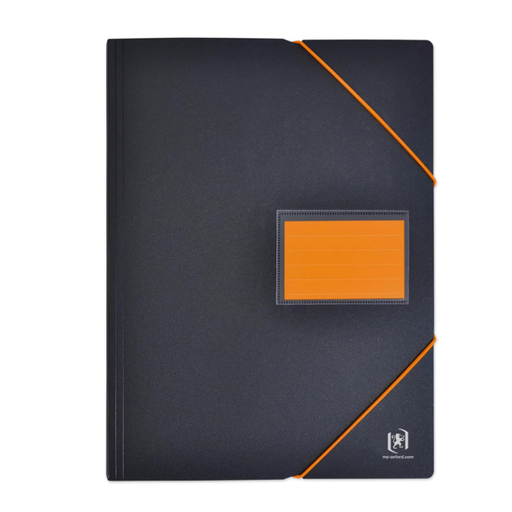
Why it's a great choice: Perfect for consolidating notes from multiple subjects. Its large capacity (100 pockets) and repositionable dividers allow it to adapt as the semester progresses without needing multiple binders.
It bypasses the 'fragile gear' trap with its rigid polypropylene cover that withstands the rigours of a school bag. Its 9 removable dividers save you from buying extra separators that might not be compatible.
An all-in-one, high-capacity (200-view) solution with colourful, repositionable, and writable dividers for 100% flexible organisation.
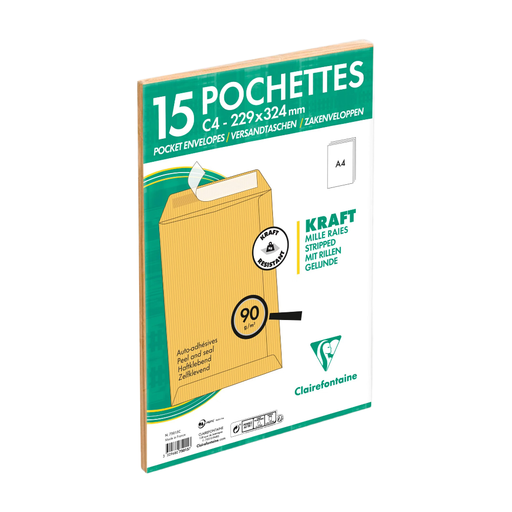
Why it's a great choice: Essential for sending unfolded A4 documents (contracts, reports, presentations). The Kraft paper projects a professional and sturdy image, while the C4 format ensures documents arrive in pristine condition.
This envelope avoids the 'bargain bin' trap with its 90 gsm Kraft paper made from virgin fibres, which offers excellent tear resistance. The self-seal closure with a protective strip guarantees a long-lasting bond.
Its high durability and format designed for unfolded A4 documents. The PEFC certification is an added bonus, guaranteeing sustainable forest management.
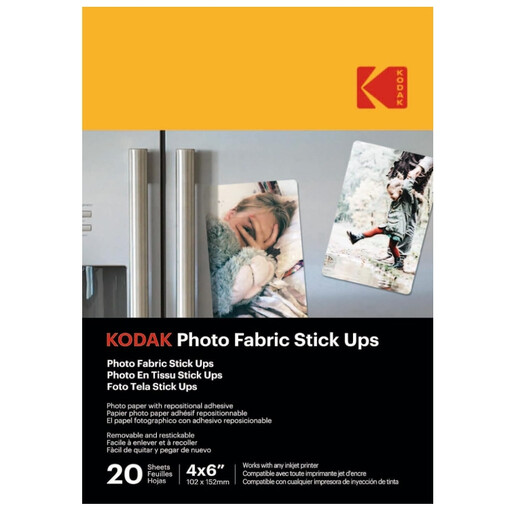
Why it's a great choice: Designed for those who love to decorate, create albums, or personalise objects. The ability to stick, peel, and restick your photos without leaving residue opens up a world of creative possibilities, from a bedroom wall to a scrapbook.
This highly specific product avoids the 'all-in-one' paper trap. Its canvas-like textured surface and silky fabric base are specially designed for inkjet printers and deliver a unique finish, a far cry from standard paper.
Its repositionable adhesive that leaves no residue. The fabric backing makes it tear-resistant and even foldable—a real plus for creative projects.
We have curated a full range of products that meet our standards for quality and durability.
A display book is a folder where the plastic pockets are fixed (welded to the spine). It's lightweight and perfect for presenting a report or protecting a set number of sheets. A binder, in contrast, has rings that you use to add your own punched pockets. It is therefore much more flexible, allowing you to add, remove, or reorganise documents as you wish.
Most consumer and office printers can easily handle paper ranging from 75 gsm to 120 gsm. For heavier weights (photo paper, cardstock), it's best to check your printer's specifications, as paper that is too thick can cause jams. As a general rule, 90 gsm paper is a safe, high-quality choice for everyday use.
Yes, as long as they are stored correctly! Modern self-seal envelopes use a protective strip (often silicone) that shields the glue from air and dust. As long as this strip is not removed, the adhesive will remain effective for several years if the envelopes are kept in a dry place away from heat.