
Livraison le jour même ou le lendemain

Qualité garantie

Débloquez vos offres de bienvenue: Livraison GRATUITE | Jusqu'à -80 % | 30 jours d'essai gratuits à JoyPlus
Téléchargez l'application
Between the piles of notes, the documents that go missing, and the bag that’s too heavy to carry every day, office supplies and practical accessories need to meet real, everyday demands. A student, a remote worker, a teacher or a professional won’t necessarily be looking for the same size or capacity.
Before placing an order, it’s wise to be wary of promises that are too vague. A product described as “compact” can quickly run out of space, a wall organiser may require specific fixings, and a bag labelled as water-resistant might not be fully waterproof. Here are the criteria to examine so you can compare the different options without making a mistake.
An A5 notebook with small squares is handy for personal notes and on-the-go use, but it offers less surface area than a 21 × 31.8 cm pad. For sketching diagrams, preparing tables or jotting down plans on paper, the larger format is far more comfortable.
Similarly, a compact 12 L backpack can hold a tablet, a few books and accessories, but it won’t replace a model designed to carry several ring binders or a bulky laptop.
A soft cover, an awkward binding or pages that are difficult to tear out can make a notebook frustrating to use day after day. If you plan to archive your notes, check for micro-perforation and holes that are compatible with your ring binder.
Micro-perforated paper is especially useful when notes need to be removed cleanly before filing. The 4-hole perforation suits the corresponding filing systems, but take the time to check compatibility with your own equipment.
A water-repellent fabric can delay the penetration of a few drops, but it won’t offer complete protection in prolonged rain. To choose a waterproof backpack, look for precise information about the fabric, zips and seams. If the description only mentions “water-repellent”, consider it limited protection.
For technical notes, a 5 × 5 mm grid makes it easier to create tables, sketches and structured lists. A Clairefontaine squared notebook can suit school, administrative or creative use, provided you choose a size that matches the amount of information you need to write down.
In particular, check:
An A4 wall organiser must hold files without bending them. For a system intended for post and documents, the depth, number of compartments and fixing method matter more than appearance.
A metal wall file holder can free up desk space, but you need to choose a wall plug suited to the surface: plasterboard, brick or concrete. Check the screws regularly and never exceed the manufacturer’s recommended load.
The empty weight is a criterion that is often overlooked. The NINETYGO Tiny Backpack is listed at 194 g and offers a capacity of 12 L. This combination favours light journeys, but the available volume must be weighed against what you usually carry.
Before buying, compare:
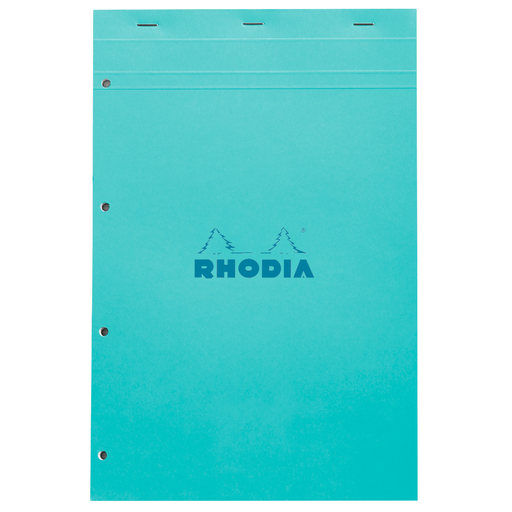
Why this choice suits this profile: this pad offers 80 sheets with a 5 × 5 mm grid, a rigid cardboard back and 4-hole perforation. You can write without a desk, then easily file the pages.
The size isn’t just about appearance: the micro-perforated and pre-punched sheets save you extra handling when it comes to archiving.
80 sheets, 5 × 5 mm grid, rigid back and 4-hole perforation.
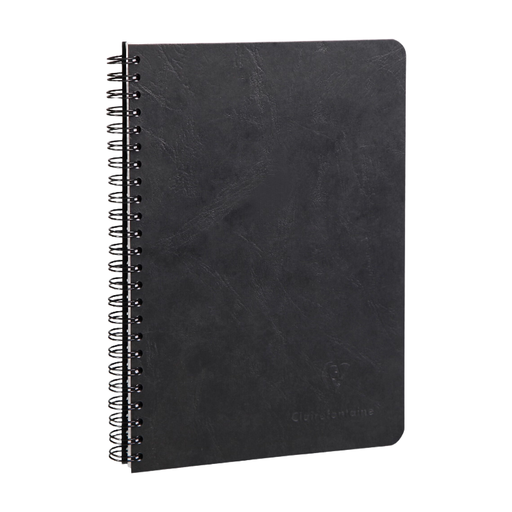
Why this choice suits this profile: its A5 size, textured cover and lay-flat design will appeal to those who write regularly, travel or switch between professional notes and creative projects.
The 180-degree opening means you don’t have to fight against a binding that keeps closing while you write.
100 pages, Vélin Velouté 90 g paper, small squares and a cardboard cover dyed through.
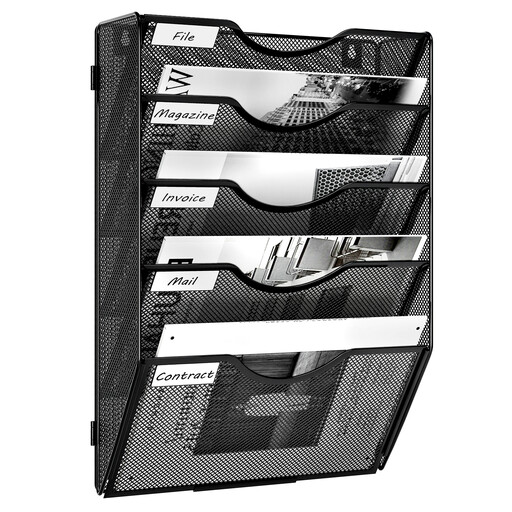
Why this choice suits this profile: its five vertical compartments let you separate post, current files, documents to be filed and magazines in a shared workspace.
Tiered filing prevents piles from building up, provided you fix the holder correctly and respect the intended load.
Metal structure, powder-coated finish, five tiers and dimensions of 32.5 × 10.8 × 42 cm.
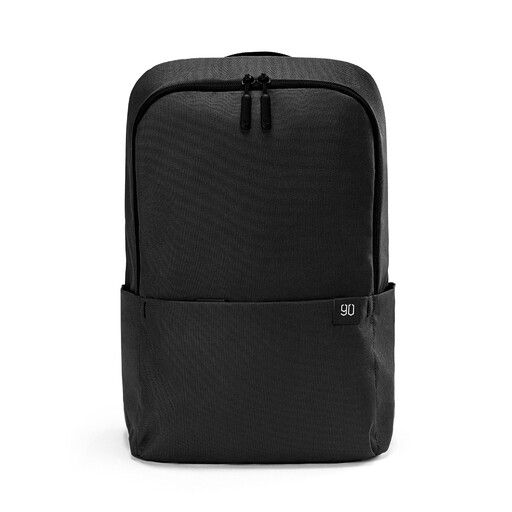
Why this choice suits this profile: its stated weight of 194 g and compact size make it ideal for daily commutes with a tablet, a few books and small accessories.
The stated capacity and side pockets give you a concrete reference, while the water-repellent fabric should not be mistaken for full waterproofing.
Stated weight of 194 g, 12 L volume, concealed front pocket and fabric described as water-repellent.
We have put together a comprehensive list, updated in real time, of products that meet these demanding selection criteria and European safety regulations.
The A5 size is easy to carry and works well for meetings, classes and personal lists. For plans, tables or larger diagrams, a size close to 21 × 31.8 cm offers more space. The right choice therefore depends on how much you write and how much room you have in your bag.
Start by identifying the type of wall and choose suitable wall plugs. Mark the fixing points, check they are level, then tighten the screws without forcing them. Once the organiser is installed, distribute the documents across the compartments and check the stability of the holder regularly.
Avoid overloading it, keep sharp objects away and follow the manufacturer’s care instructions. For a water-repellent model, a gentle wash followed by air drying helps preserve the fabric. If you carry a laptop, always check that the bag has a compartment that is genuinely suited to its dimensions.