To fill a shared snack box, start by choosing between dried fruit, nuts and mixes, based on your colleagues’ preferences and any allergies to consider. Then choose a size the office can get through while the contents are still in good condition, and check the ingredients, sugars and salt. A large bag isn’t automatically right for a group.
Who is this guide for?
People responsible for filling the shared snack box
If several colleagues help themselves from the same box, choose an amount that suits how often you plan to top it up. Carrefour, E.Leclerc and Monoprix offer different pack sizes for dried fruit and nuts. The biggest bag is only useful if its contents will be eaten.
People looking for an unsalted option
If the box is for snacks rather than drinks and nibbles, distinguish unsalted nuts from savoury snack mixes. Manger Bouger recommends unsalted, unsweetened nuts without chocolate; you should still check the ingredients of the product you choose.
People mindful of colleagues’ allergies
Before putting a mix out for everyone, check your colleagues’ needs and the label on each bag. The DGCCRF says that allergenic ingredients in pre-packed foods must be highlighted in the ingredients list; some mixes contain several types of nuts.
What should you check?
For a shared snack box, start with the ingredients and the needs of the people who will use it, then choose an amount that suits how often you’ll top it up.
| What matters | What to check | Who is this for? |
|---|
| How much you can use |
Net weight, best-before date and how often you plan to top up the box. |
If I fill the box regularly, I want to avoid leaving a large bag open for too long. Around 29% of consumers prioritise choosing a quantity that suits how they’ll use it. |
| Allergens |
Ingredients list, highlighted allergens and any known needs within the team. |
If several colleagues can access the box, I need to know who the contents are suitable for before sharing them. Around 29% of consumers say this is their main concern. |
| Salt and sugars |
Ingredients and nutritional values per 100 g, particularly sugars and salt. |
For a regular snack, I want to tell the difference between a salty savoury mix and dried fruit or unsalted nuts. Around 24% of consumers prioritise the ingredients first. |
| Variety and serving |
Which fruits are in the mix and the size of the bag. |
When people at work have different tastes, I want a box that’s easy to replenish without choosing a recipe only a few people will enjoy. Around 18% of consumers put variety and ease of serving first. |
Mistakes to avoid
-
Choosing the biggest bag without planning how you’ll use it
A 500 g or 1 kg pack could leave leftovers if only a few colleagues use the box. Carrefour, E.Leclerc and Monoprix offer different pack sizes depending on the product.
Check the net weight and best-before date, then choose a size based on how often you plan to top up the box.
-
Confusing savoury snack mixes with unsalted nuts
A roasted, salted recipe isn’t the same as an unsalted option. Manger Bouger’s recommendation for nuts is for varieties that are unsalted, unsweetened and without chocolate.
Before choosing a mix for office snacks, check the ingredients and the “salt” line in the nutritional information.
-
Assuming a mix is suitable for everyone
A mix might contain almonds, hazelnuts or cashews. The DGCCRF says allergenic ingredients must be highlighted on the labels of pre-packed foods.
Check every bag and ask about the needs of the people concerned before filling a shared snack box.
-
Comparing dried fruit and nuts as if they were the same product
Raisins, dates, almonds and mixes may sit on nearby shelves, but they don’t have the same ingredients or nutritional values for sugars and salt.
First decide which type of product is right for the box, then compare the ingredients and nutritional values per 100 g of relevant options.
Retailers and ranges to consider
Carrefour
The Carrefour range includes dried fruit, nuts and mixes, with different pack sizes depending on the product.
- Useful for comparing different pack sizes across each product type.
- Before comparing bags, check whether your chosen product is plain, sweetened or intended as a savoury snack.
E.Leclerc
E.Leclerc offers products including raisins, nuts and mixes under its own brand.
- A choice of pack sizes makes it easier to find one that suits how often you top up the box.
- Smaller packs and larger bags may not suit the same serving needs.
Auchan
The Auchan range includes nut mixes and an unsalted mix.
- The recipes make it possible to compare variety and whether salt has been added separately.
- Check the ingredients of the specific bag: the word “mix” doesn’t tell you everything it contains.
Monoprix
The Monoprix range includes products such as raisins, dates, prunes and dried apricots.
- Worth exploring if you mainly want to fill the box with dried fruit.
- If you’re looking for nuts, check the relevant products rather than relying on the dried fruit section.
Lidl / Alesto
Lidl describes Alesto as a range that includes nuts, dried fruit and savoury snacks.
- Walnut kernels are among the products highlighted in the range.
- Check the weight and recipe of the product you’re considering in store before sharing it.
Aldi
In France, Aldi offers products under the Trader Joe's brand, including dates, raisins, unsalted almonds and a cashew and peanut mix.
- These examples include both dried fruit and nuts.
- Availability depends on the store’s range, so check the product before planning to fill the box.
Joybuy products for the office snack box
This selection includes dried fruit and bags of nuts or peanuts. To choose between them, consider what’s inside, any allergens, the pack size and how the box will be used.
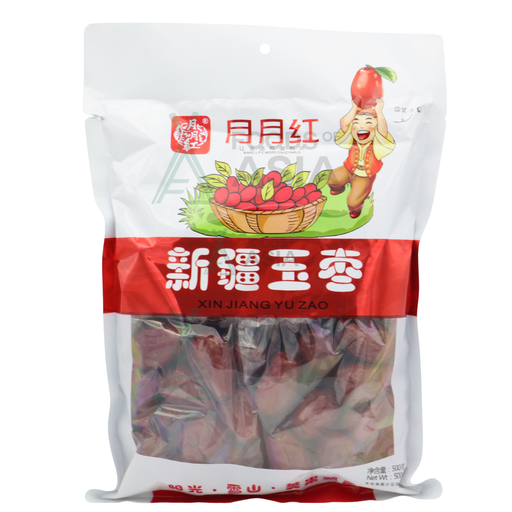 Image unavailable
YYH Xinjiang dried jujubes, 500 g
A dried fruit option for a snack box used by several people. The bag contains 500 g; check the packaging information and your colleagues’ needs before sharing.
View on Joybuy
 Image unavailable
Haoxiangni Grade 2 pitted red dates, 500 g
A dried fruit option with the stones removed for a shared snack box. The bag contains 500 g; reseal it after opening and choose this size based on how much you expect to use.
View on Joybuy
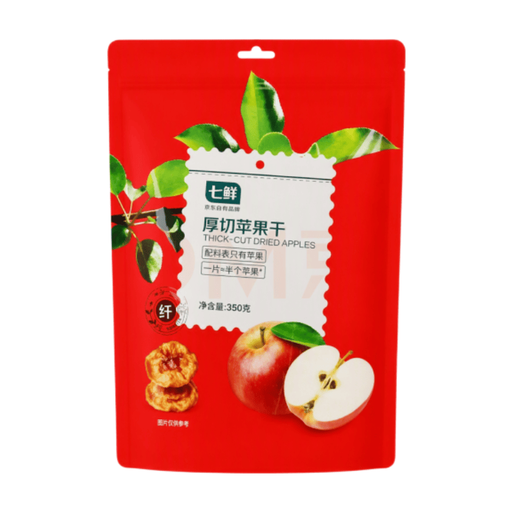 Image unavailable
7FRESH thick-cut dried apple slices, 350 g
A way to add variety to the dried fruit in the box. The bag contains 350 g; check the label if sugars are a factor in your choice, and keep the bag sealed after opening.
View on Joybuy
 Image unavailable
BENENUTS unsalted cashews, 130 g
For offering unsalted cashews, if they’re suitable for the people using the box. The bag contains 130 g, so plan to replenish it accordingly, and check the information about peanuts and other nuts before sharing.
View on Joybuy
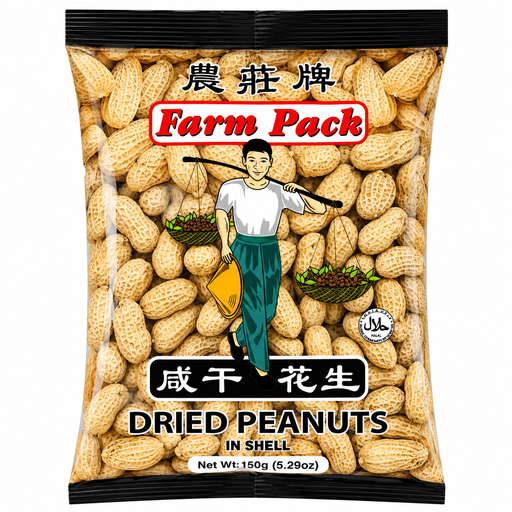 Image unavailable
Farm Pack peanuts, 300 g
A sharing option if a salty recipe and peanuts in their shells suit the people using the box, rather than if you’re looking for unsalted nuts. The bag contains 300 g; check the allergens and instructions for use after opening.
View on Joybuy
Frequently asked questions
How do I choose the right bag size for the office snack box?
Start with the number of people who use the box and how often you top it up, then check the net weight and best-before date. The ranges at Carrefour, E.Leclerc, Auchan, Monoprix and Aldi show that pack sizes vary depending on the fruit or mix, so choose an amount the office can get through.
Dried fruit or nuts: what should I put in a snack box?
Choose based on the group’s preferences and any allergies to consider: dried raisins or dates and nuts aren’t interchangeable. If you choose nuts for regular snacking, Manger Bouger recommends unsalted, unsweetened varieties without chocolate. Always check they’re suitable for the people concerned.
How can I spot allergens on a bag of dried fruit or nuts?
For pre-packed food, read the ingredients list and look for any ingredients that are highlighted. The DGCCRF says this applies to allergenic ingredients. Check every mix before putting it in a shared snack box.
Which nutritional values should I compare between two mixes?
Compare sugars and salt per 100 g in particular, then read the ingredients to understand what each recipe contains. The DGCCRF says nutritional information is given per 100 g or 100 ml. For these bags, checking the values per 100 g makes it easier to compare the contents without confusing them with the pack size.


