First, choose a soup you can prepare with the facilities available at work: a small carton if you can heat it, or a sachet to reconstitute if you have access to boiling water. A 1 L carton is better suited to several lunches or sharing, provided you can store any leftovers properly after opening. Then compare the portion sizes, ingredients, allergens and salt content of each recipe.
Who are these formats for?
People who eat lunch alone and have a microwave
A small carton means you don’t have to open a large pack for a single meal. Auchan, for example, offers liquid soups in packs of two 30 cL cartons; check the heating instructions for the recipe you choose.
People planning several lunches or sharing
A 1 L carton can be divided between several meals, as long as any remaining portions are stored according to the product instructions after opening.
People with access to a kettle
A dehydrated sachet takes up little space in a drawer, but you’ll need to be able to make the soup with sufficiently hot water. For the preparation shown on its website, Royco specifies 200 ml of boiling water and a two-minute wait.
What should you check before buying?
Small carton ready to heat
Choose this: for an individual lunch when you can heat the soup as directed on the packaging.
Bear in mind: once opened, the carton must be stored according to its own instructions.
Large 1 L carton
Choose this: if you’re sharing the soup or planning several lunches.
Bear in mind: you’ll need to store any remaining portions after opening. For example, Auchan says its Maggi soup must be refrigerated and consumed within two days.
Dehydrated soup
Choose this: for compact storage if you have access to the equipment needed to prepare it.
Bear in mind: some preparations require boiling water, while others need to be cooked rather than simply left to infuse.
| Criterion | What to check | Who is it for? |
|---|
| Preparing it at work |
Instructions, equipment needed and a suitable container. |
If I can’t heat a carton, I need to know whether I can at least get the hot water needed for a sachet. Among the consumers concerned, around 36% rank being able to prepare the soup as their top priority. |
| Portions and leftovers |
Volume per portion and storage instructions after opening. |
If I eat lunch alone and don’t have access to a fridge, I’d rather avoid opening a large carton. Managing portions is the main priority for around 29% of the consumers concerned. |
| Ingredients |
Ingredients list, allergens and nutrition information for the amount you’ll eat. |
I want to compare recipes, including their salt content, rather than relying on the words “vegetable soup” alone. Around 21% of the consumers concerned prioritise ingredients. |
| Storage |
Date shown, packaging condition and storage instructions. |
If I want to keep a supply of soup at work, I need to know how each product should be stored. This is more important than other criteria for around 14% of the consumers concerned. |
Mistakes to avoid
-
Choosing an instant sachet when you can’t get boiling water
Royco’s preparation instructions call for 200 ml of boiling water, followed by a two-minute wait. Having access to a microwave alone may not be enough to follow them.
Check the instructions and the facilities available at work before choosing between a sachet and liquid soup to heat up.
-
Opening a 1 L carton for one lunch without planning what to do with the rest
A large carton may contain several portions. For the Maggi soup featured by Auchan, the instructions say to reseal the pack, refrigerate it after opening and consume the soup within two days.
If you can’t follow the storage instructions after opening, consider an individual portion or sharing the soup straight away.
Any uneaten portions may need to be thrown away if they haven’t been stored as instructed.
-
Relying on the words “vegetable soup” alone
A recipe name doesn’t tell you its salt content or give you the full ingredients list. Anses lists soups and broths among the foods that contribute to salt intake.
To compare the products you’re interested in, check the “salt” line for the portion you’ll eat, as well as the listed ingredients and allergens.
Brands to compare
Royco
Royco offers dehydrated soups to prepare with hot water. The preparation shown on its website calls for 200 ml of boiling water and a two-minute wait.
- A format to consider if storage space is limited and you have access to boiling water.
- Check the instructions, ingredients and salt content for the specific recipe.
Carrefour
Carrefour offers ambient liquid soups, including 1 L cartons.
- The larger format may be worth considering for several meals or sharing.
- The volume doesn’t replace checking the portion sizes and instructions for after opening.
Auchan
Auchan’s liquid soup range includes 1 L formats and packs of two 30 cL cartons.
- These sizes let you compare a small portion with a pack that can be divided between meals.
- Check the nutrition information and preparation instructions for each recipe.
Liebig
Liebig is among the ambient liquid soups available from Auchan, with both individual and larger packs.
- You can choose a pack size to suit the number of meals you have planned.
- With a large carton, you’ll need to store any remaining portions according to the recipe instructions.
Maggi
The Maggi liquid soup with vegetables and red lentils featured by Auchan comes in a 1 L carton, with four portions indicated.
- The stated number of portions can help you plan to share it or have it over several lunches.
- For this product, Auchan says to refrigerate it after opening and consume it within two days.
Soups and meal mixes available on Joybuy
This selection includes a small carton of liquid soup and several dry mixes. When choosing soup for lunch at work, check whether you can heat the carton or prepare the other options as instructed; not all of these packs contain a single portion.
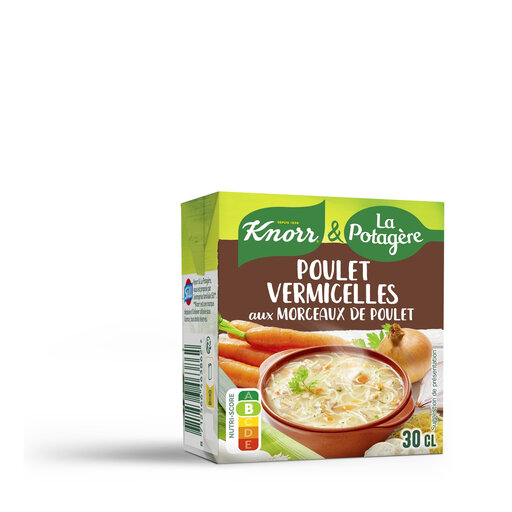 Image unavailable
Knorr chicken and vermicelli soup, 300 ml carton
Worth considering for an individual lunch if you have the equipment needed to heat it. The carton contains 300 ml; follow the storage instructions if you don’t use it all after opening.
 Image unavailable
Royco dehydrated noodle, carrot and mushroom soup, 3 × 20 cL
Consider this if you can prepare dehydrated soup at work. The title indicates three prepared 20 cL portions; check the amount of water needed and the instructions for this specific product.
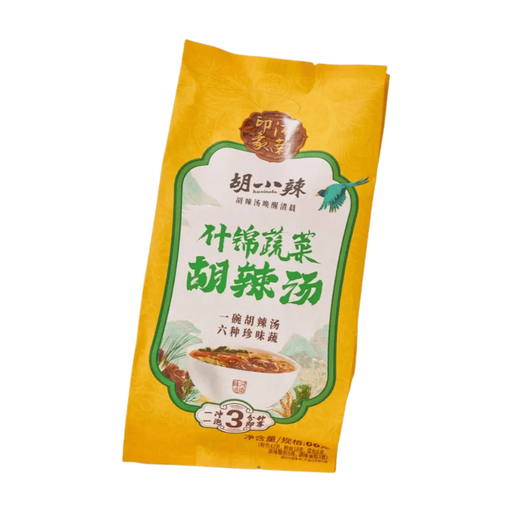 Image unavailable
Haoxiangni spicy mixed vegetable soup, 66 g
Worth considering if you have access to boiling water and a container for preparing it. The sachet weighs 66 g; check the number of portions and nutrition information for the bowl you’ll make.
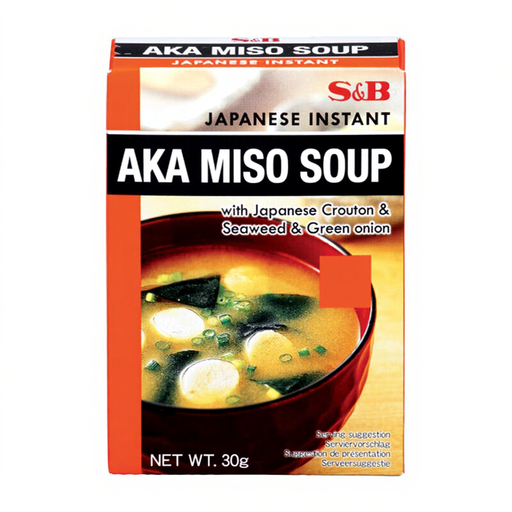 Image unavailable
S&B Aka instant miso soup, 30 g
Worth considering if you have access to boiling water. The pack is listed as weighing 30 g; check what’s inside and the prepared portion size before choosing it for lunch.
 Image unavailable
Knorr Thai noodle and mushroom soup, 2 Assorted, 69 g, 0,70 L
Only consider this if you can heat and simmer it at work: adding hot water alone won’t replace cooking. The title lists 69 g and 0,70 L for this variant.
Frequently asked questions
Can I keep a long-life soup in a cupboard at work?
Yes, before opening, if the packaging and storage instructions allow it. The French Ministry of the Economy advises following the manufacturer’s recommendations; check the instructions again once the soup has been opened.
Can I leave an opened 1 L carton in a drawer?
Don’t assume soup can be kept in a drawer after opening. For the Maggi soup featured by Auchan, you need to reseal the carton, keep it in the fridge and consume its contents within two days; follow the instructions for your own product.
What should I check on the label if I need to avoid an ingredient?
Read the ingredients list and allergen information for the exact recipe before buying it. The DGCCRF states that allergens must be highlighted on the labels of prepacked foods.
Is vegetable soup always low in salt?
No: the words “vegetable soup” don’t tell you how much salt it contains. Anses lists soups and broths among the foods that contribute to salt intake; compare the “salt” line for the amount you plan to eat.


