What sets the machines apart?
For a small office, start with your busiest break, then weigh up everyone’s drink preferences against the maintenance your team can manage.
Filter coffee machine
Worth considering: several people want long coffee made in one pot.
What to bear in mind: someone needs to measure out the coffee, make the pot and dispose of the filter and grounds.
Capsules or pods
Worth considering: everyone prefers to make their own drink without measuring out the coffee.
What to bear in mind: the compatible format limits your choice of supplies, and used pods need to be sorted for recycling.
Bean-to-cup espresso machine
Worth considering: your team wants coffee made from whole beans and can share the maintenance tasks.
What to bear in mind: Que Choisir notes that these machines take up more space and make more noise than pod machines, and need regular cleaning.
Espresso machine for ground coffee
Worth considering: users want to measure out their own coffee for drinks made one at a time.
What to bear in mind: preparing each drink and cleaning the portafilter take up time during every break.
| Criteria | What to check | Who is it for? |
|---|
| Serving everyone during breaks |
Count the drinks needed during your busiest break, then compare the number of cups per cycle, the water tank and the capacity of the containers. |
When several colleagues arrive at once, keeping the break flowing without interruptions to prepare drinks or refill the machine should take priority; around 33% of consumers rank this need first. |
| Sharing maintenance |
Check the manual to see which parts need rinsing, which containers need emptying and what descaling involves. |
If nobody usually looks after the machine, these tasks need to be easy to share; this is the main priority for around 25% of consumers. |
| Supplies and waste |
Check the filter or pod format, and plan where to store supplies and how to sort waste. |
Sharing coffee also means storing supplies and knowing where to put waste after each break; around 25% of consumers prioritise this kind of organisation. |
| Choice of drinks |
Check which drinks are available on the exact model and, if needed, whether drinks require manual preparation or use a milk system. |
When colleagues don’t all want the same coffee, the choice of recipes or control over preparation can make all the difference; around 17% of consumers say this is their top priority. |
Machines available on Joybuy
This selection includes a filter coffee machine, a bean-to-cup espresso machine and two capsule systems for a shared break area. Compare their listed features with your usual drinks, peak-time demand and the tasks your team can take on.
 Image unavailable
Philips EP2230/10 2200 Series LatteGo
A bean-to-cup espresso machine to consider if your team would also like to make drinks with milk. Check which drinks this version offers, what maintenance the LatteGo system needs and whether the warranty covers your intended use.
View on Joybuy
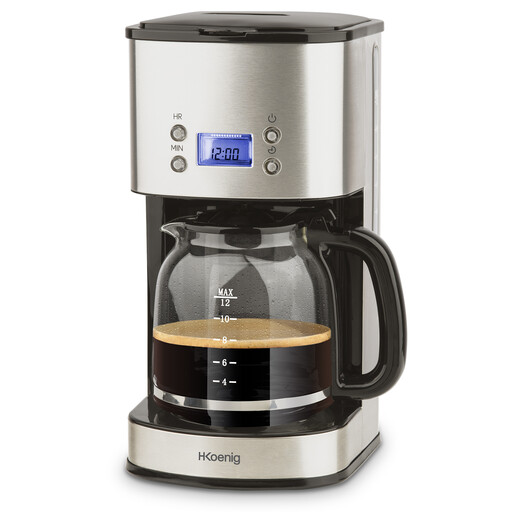 Image unavailable
Hkoenig MG30 programmable, silver
A filter coffee machine to consider if your colleagues prefer to share a pot of long coffee. Its name indicates that it’s programmable. Before adding it to your office break area, check its capacity per cycle, filter type and cleaning instructions.
View on Joybuy
 Image unavailable
HiBREW H16, grinder and milk system
This automatic machine is for teams who want to choose from a range of coffee drinks. Its product name mentions six varieties; check which recipes are actually available, the capacity of the containers and the cleaning requirements before planning to share it.
View on Joybuy
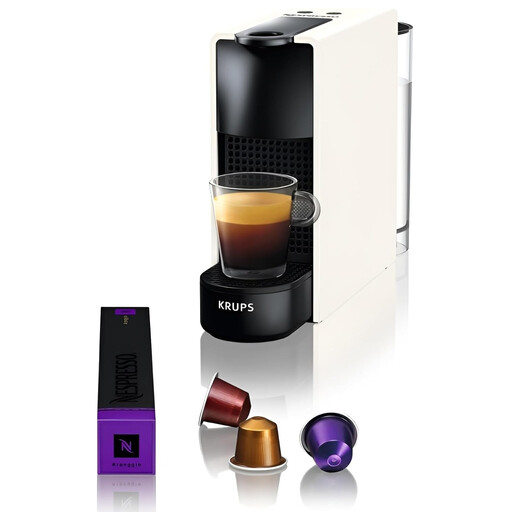 Image unavailable
KRUPS Nespresso Essenza Mini, white, 0.6 l
Worth considering if everyone makes their own cup and space is limited. The product name lists a 0.6 l water tank and 1,200 W power. Compare how often it will need refilling during your busiest break, and check exactly which capsule format it accepts.
View on Joybuy
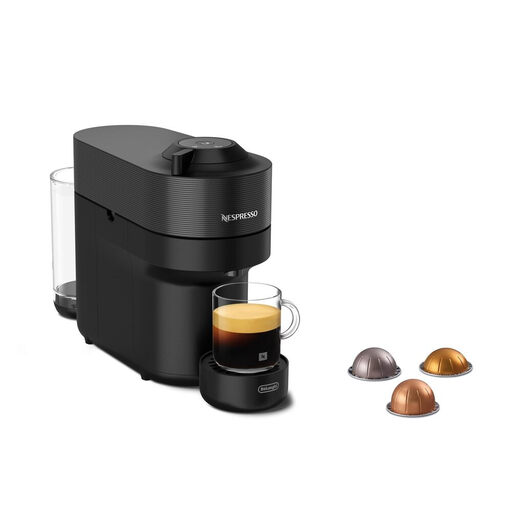 Image unavailable
Nespresso Vertuo Pop ENV90.B, black, 0.6 l
An option for individual drinks if your team wants to use Vertuo capsules. The product name lists a 0.6 l water tank. Plan how often it will need refilling based on how many colleagues use it at once, and organise capsule storage and recycling.
View on Joybuy
Frequently asked questions
How do you choose the right capacity for a small office coffee machine?
Count the drinks made over the whole day separately from those needed during your busiest break. For a filter coffee machine, check the number of cups per pot; for a machine that makes individual drinks, look at the water tank, grounds or capsule container and how long colleagues are willing to wait.
Who should clean a shared coffee machine?
The team or business should appoint someone or set up a rota for emptying, rinsing and descaling the machine as instructed in the manual. Que Choisir highlights the importance of cleaning the containers on bean-to-cup machines and, depending on the model, the brew group too.
Do coffee grounds and filters need to be sorted at the office in France?
Yes. ADEME reminds businesses that they have been required to sort food waste at source since 31 December 2023, and lists coffee filters among the organic waste produced in offices. Choose a separate collection service or on-site system that suits your premises; an on-site compost bin isn’t the only option.
Where should used coffee pods go?
For aluminium or plastic pods, ADEME recommends the recycling route for paper and packaging. At the office, check the instructions from your waste contractor or local authority; some brands also offer collection points.
Is a domestic bean-to-cup machine suitable for office use?
It may be suitable if its capacity and maintenance requirements match your needs, but check the warranty terms before buying. Que Choisir notes that some grinder warranties set a limit based on the number of coffees made or include conditions relating to commercial use.


