For a shared office chocolate box, choose treats that are easy to pick up and a quantity that suits how often people will dip in, rather than simply going for the biggest box available. An assortment caters for different tastes, while a smaller box that you can top up makes it easier to adjust quantities if you’re unsure how much people will eat. Before leaving the chocolates out, check the ingredients, allergens, best-before date and nutritional information for the product you’ve chosen.
Who is this guide for?
People in charge of the shared chocolate box
You’re looking for treats that are easy to pick up and a quantity that will last for several days of people dipping in. The net weight and best-before date help you plan when to restock. Keep the packaging so colleagues can check the ingredients and allergens.
Teams with different tastes
If you don’t know what your colleagues prefer, you may be torn between milk chocolate, dark chocolate, pralines and an assortment. Check the ingredients of the specific box before putting it out, especially if it contains nuts.
Shoppers who check the labels
You want to compare sugars and other nutritional values in similar products. France’s DGCCRF notes that nutritional information appears on most pre-packed foods sold in France; the Nutri-Score, if shown, is voluntary.
What should you check?
When choosing chocolates for a shared office box, start by considering how often people will help themselves. Then check the recipes and make sure colleagues will be able to access the relevant product information.
| Criteria |
What to check |
Who is it for? |
| Quantity and serving |
Compare the net weight and, if stated, the number of pieces. Choose a size that’s easy to serve and suits how often people are likely to help themselves. |
When colleagues take chocolates at different times, I want a practical box that lasts without being left open for too long. Around 29% of consumers prioritise this useful quantity and ease of sharing above all else. |
| Variety of flavours |
Check which recipes are actually included in the assortment and whether each one can be identified. |
If I don’t know the team’s preferences well, I look for a few different types of chocolate rather than just one recipe. A variety of flavours is the main priority for around 24% of consumers. |
| Allergens and nutrition |
Read the ingredients and check which allergens are highlighted; compare sugars per 100 g across products of the same type. |
Before leaving a box out for everyone, I want to be able to check its ingredients and nutritional information. Around 29% of consumers put this ability to check first. |
| Restocking |
Check the best-before date, the condition of the packaging and whether the size you plan to buy again is available. |
If the number of people dipping in varies from week to week, I’d rather adjust what I buy than have leftovers. Around 18% of consumers prioritise managing restocks. |
Mistakes to avoid
-
Writing off chocolate without a Nutri-Score
In France, the Nutri-Score is voluntary, so its absence alone isn’t enough to judge the nutritional information available. The DGCCRF distinguishes this label from the nutritional declaration required for most pre-packed products.
Read the nutritional values, particularly sugars per 100 g, as well as the ingredients and allergens. If the packaging displays a Nutri-Score, use it as extra information when comparing similar products.
-
Assuming an assortment will suit the whole team
Recipes can vary within the same box. Ferrero describes Ferrero Rocher, for example, as a treat containing a whole hazelnut. The general name of an assortment doesn’t tell you everything about the ingredients in its chocolates.
Keep the packaging accessible beside the box and check the allergens in the exact product before offering it. If you need a different recipe, present it separately and don’t assume it’s suitable for someone with an allergy.
-
Choosing a large box without planning how it will be used
For a small team or an irregular flow of people, a large quantity may remain open for a long time. The best-before date applies to the product when stored as directed; also follow any instructions on the packaging after opening.
Think about how often the box will be topped up and choose a quantity the team can enjoy while it’s in good condition.
A box that stays open and available for a long time can lead to leftovers and a loss of flavour.
Brands and retailers to know
Lindt
Lindt offers boxes of milk chocolate, dark chocolate and assorted chocolates. Choose one to suit your team’s tastes and the quantity you need.
- Lindt France’s range includes boxes weighing between 98 g and 738 g.
- The weight alone doesn’t tell you how many pieces are in the box or what they contain, so check the specific product.
Ferrero Rocher
These praline treats can be part of a selection of chocolates to share, provided the recipe is suitable for the people who’ll be eating them.
- Ferrero says each Ferrero Rocher contains a whole hazelnut and pieces of hazelnut.
- This recipe isn’t suitable for a selection intended to avoid hazelnuts. Check the label of the specific product.
Carrefour
Carrefour France’s chocolate range includes products such as rochers, boxes and mini chocolates, giving you different formats to choose from for sharing.
- Its online range includes several types of packaging.
- Check what’s available at your chosen store: the general range doesn’t guarantee that a particular Christmas box will be in stock.
E.Leclerc DRIVE
E.Leclerc DRIVE’s seasonal range includes Christmas chocolate boxes and assortments to consider for a shared box.
- The seasonal page features several types of chocolates and assorted boxes.
- Check that the product is available at your selected collection point or for delivery to your chosen area.
Chocolates to share on Joybuy
These sweets and mini chocolate bars could be used to fill a shared office box. If you’re specifically looking for a Christmas box, check the product’s presentation and packaging before choosing.
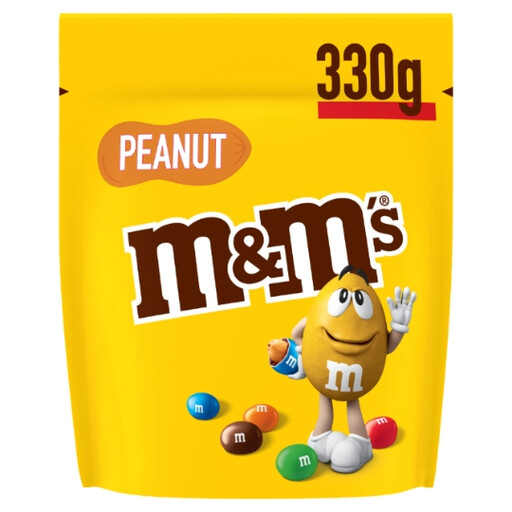 Image unavailable
M&M'S PEANUT, milk chocolate and peanuts, 330 g
This 330 g bag could fill a shared box if the quantity suits how often people will dip in. The recipe contains peanuts, so keep the label accessible to check the ingredients and any other declared allergens before sharing.
View on Joybuy
 Image unavailable
Nestle KitKat Strawberry Short Cake, 9 pieces, 104,4 g
The stated number of pieces helps you plan how to serve them in a small shared box. Before putting them out, check whether each piece is individually wrapped, and read the ingredients and allergens on the packaging.
View on Joybuy
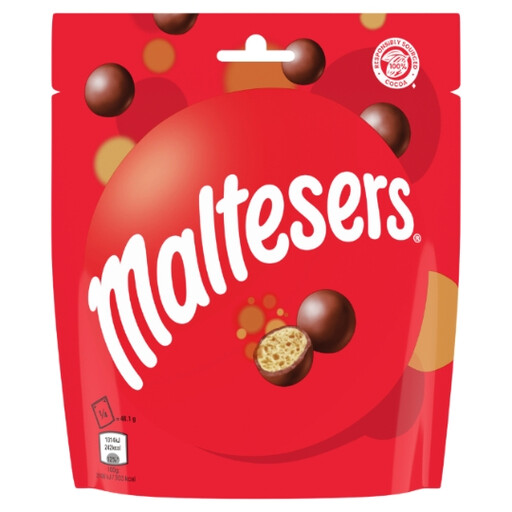 Image unavailable
MALTESERS, milk chocolate with a honeycomb centre, 192,5 g bag
This bag could work for a box where chocolates are served as needed. Check the net weight on the packaging before comparing sizes: the information listed for this product also states 192 g. Keep the ingredients and allergen list available to check.
View on Joybuy
Frequently asked questions
Does the soft drinks tax apply to a box of Christmas chocolates?
No. The levy described by France’s official public finance bulletin applies to non-alcoholic drinks that meet the conditions set for the levy, not to boxes of chocolates. To compare the sugar content of chocolates, check the value per 100 g for similar products.
Is the Nutri-Score compulsory on chocolates sold in France?
No. The DGCCRF says the Nutri-Score is voluntary, while nutritional information is required for most pre-packed foods. Check the nutritional values and ingredients whether or not a Nutri-Score is displayed.
How can you check for allergens before sharing chocolates at the office?
Read the ingredients list for each product you’ve chosen. The DGCCRF says allergenic ingredients must be highlighted in the list. Keep the packaging beside the box, and don’t assume a recipe is suitable for someone with an allergy based on the name of the box alone.
What should you do with the best-before date on a stock of chocolates?
Check the best-before date and storage instructions before filling the box, then follow any guidance for after opening. The DGCCRF explains that passing the best-before date doesn’t automatically mean a product with intact packaging is unsafe, but its flavour may have deteriorated.


