People in charge of the communal tin
You fill it for several colleagues and want chocolates that are easy to grab and replenish. The pack format matters just as much as the quantity it contains.


To keep a communal tin topped up, a bag of bite-sized chocolates works well if they’re easy to serve and can be stored according to the pack instructions. If the chocolates are going into lunch boxes, a multipack of small, easy-to-separate portions is a better fit. Save an assorted gift box for an occasional break when variety matters more than dividing everything up in advance. In every case, check the number of pieces, allergens and nutritional information for the exact product you choose.
You fill it for several colleagues and want chocolates that are easy to grab and replenish. The pack format matters just as much as the quantity it contains.
You portion out the chocolates before heading out. Count the usable pieces and check whether the packaging lets you separate them without opening the whole assortment.
You compare sugar and other nutritional values, or need to identify allergens before offering an assortment to a group. The label for the exact product is what matters.
First, decide whether the chocolates will stay in a communal tin or be portioned out in advance. The number of pieces and how they’re packaged will then help you choose the right format.
Worth considering: for regularly topping up a communal tin, if the bite-sized chocolates are easy to serve.
Check: the total weight doesn’t tell you how many pieces you can portion into lunch boxes.
Worth considering: when you need to distribute the portions in advance among several containers.
Check: the number of packs doesn’t replace checking the total net weight or reading the ingredients for each variety.
Worth considering: for an occasional break when offering a choice of varieties is the priority.
Check: variety doesn’t guarantee individually wrapped chocolates or the same ingredients in every piece.
| What to consider | What to check | Who is it for? |
|---|---|---|
| Sharing with colleagues | Number of chocolates, packaging and storage instructions after opening. | I fill a tin that several colleagues can help themselves to, and need to be able to top it up without making serving complicated. Around 40% of consumers prioritise this shared-use requirement. |
| Portioning into lunch boxes | Number of portions that can be separated and how each one is packaged. | If I’m preparing several lunch boxes, I want to be able to portion out the chocolates before heading out. Around 30% of consumers put this ease of portioning first. |
| Allergens and ingredients | Ingredients list and allergens for the exact product, including for an assortment. | Before leaving a tin out for everyone, I need to know which varieties it contains and who they might not be suitable for. Around 20% of consumers prioritise checking allergens and ingredients. |
| Nutritional information | Sugars and other nutritional values per 100 g, followed by the amount served per portion. | When comparing two products, I prefer to check their values on the same basis rather than rely on the number of packs. Around 10% of consumers put this nutritional comparison first. |
The DGCCRF explains that Nutri-Score is voluntary. Its absence alone doesn’t tell you anything about the chocolate’s ingredients.
Compare the ingredients list and nutritional information per 100 g. Use Nutri-Score as an additional guide when it appears on the packaging.
The levy described by the Official Public Finance Bulletin applies to the non-alcoholic drinks covered by the scheme, not to a box of solid chocolates.
When choosing chocolates, check the sugar content per 100 g instead, and consider how much you plan to serve.
Different varieties in the same box can have different ingredients. A Carrefour product listing for an almond and hazelnut assortment mentions milk and soya, as well as the possible presence of other nuts and wheat.
Check the label on the product you buy, and keep the ingredient information handy beside the communal tin.
A bag, multipack and gift box of a similar weight won’t necessarily contain the same number of easy-to-serve portions.
Check the number of pieces, how they’re packaged and the best-before date before building up an office stock.
Lindt France offers assorted chocolates in bags, cones, boxes and gift boxes. These formats are worth considering depending on whether you’re topping up the communal tin or planning an occasional break.
Ferrero Rocher is worth considering if you’re looking for praline chocolates to share during a group break.
Carrefour product listings can help you check the ingredients, allergens and nutritional information for a specific product.
E.Leclerc DRIVE lets you browse chocolates as part of your regular shop, with collection and delivery options depending on your area.
These products include chocolates to share, portions to divide up and two biscuit-based snacks for a prepared lunch box. A filled biscuit isn’t a substitute for an assorted box of chocolates if that’s what you’re looking to offer.
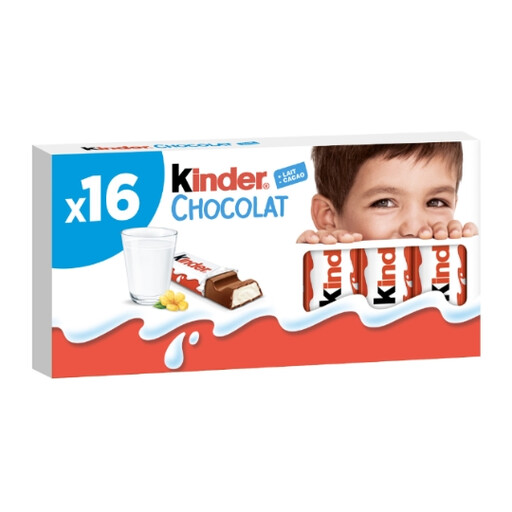 Image unavailable
The 16 bars make it easy to plan a set number of portions for several colleagues. If you’re packing them in lunch boxes, check the packaging and allergens on the exact product. The information for this product lists milk and soya.
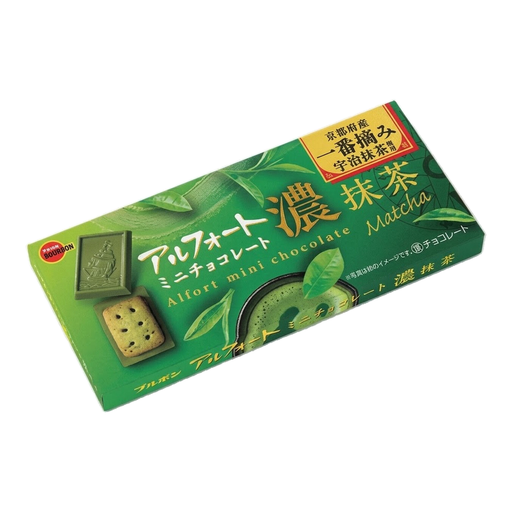 Image unavailable
This chocolate-coated biscuit could work as a snack to portion out, but it isn’t a box of assorted chocolates. The information given for this product varies, so check the number of pieces and the weight on the packaging before planning portions. Check the allergens too.
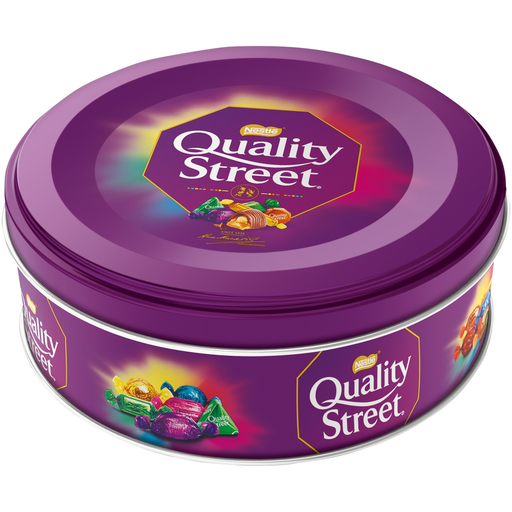 Image unavailable
The tin and its assortment are a good fit for a group break where variety matters. If you’re preparing portions in advance, check the number of pieces and how they’re packaged. The information for this product lists milk and hazelnuts, and notes that it may contain other nuts.
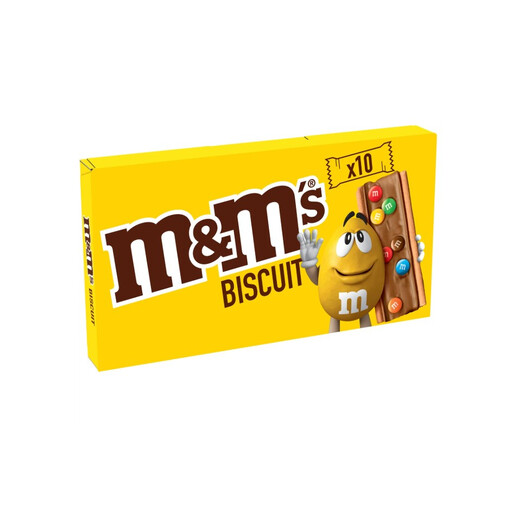 Image unavailable
The pack of 10 biscuits is handy for planned portions across several containers. They’re filled biscuits, not an assortment of chocolates for the communal tin. Check the ingredients and allergens for this product before sharing.
 Image unavailable
This bag of milk chocolate-coated bites could work well in a communal tin. Check the number of pieces and how they’re packaged if you want to prepare separate portions. The title gives the weight as 192.5 g, while another detail for this product says 192 g, so check the net weight on the packaging.
No. The DGCCRF describes Nutri-Score as a voluntary scheme. When comparing pre-packed chocolates, check the nutrition declaration in particular: the DGCCRF states that it is compulsory for pre-packed foods covered by this rule.
No. The levy described by the Official Public Finance Bulletin applies to the non-alcoholic drinks covered by the scheme, not to boxes of solid chocolates. To compare two boxes, check their sugar content per 100 g.
Read the ingredients and allergen information for the exact assortment before making it available. Keep the packaging or a clear image of the label beside the tin, as a single pack may contain several varieties.
Check the best-before date and storage instructions on the packaging for each product. If you’re gradually topping up a communal tin, also follow any instructions for after opening.