People organising office snacks
For a team, meeting or break room, the number of individual portions matters just as much as the size of the pack. Mini bars and multipacks with more individual bars are worth comparing.


For a shared snack bowl, choose mini bars or smaller individually wrapped portions. If you’re stocking up for people who each want a full-size bar, compare multipacks of standard bars. For lunchboxes, focus on the weight of each bar. In every case, check the number of bars, allergens and nutritional information for the specific product you’re buying.
For a team, meeting or break room, the number of individual portions matters just as much as the size of the pack. Mini bars and multipacks with more individual bars are worth comparing.
A bar to take with you is easier to choose when its weight per bar is shown. The 21 g and 50 g sizes listed by Carrefour and Snickers show why you should check the portion size, not just the number of bars.
Before leaving bars out for everyone to help themselves, check the ingredients, allergens and nutritional values for the exact product. A similar recipe or size won’t necessarily tell you what’s in the one you’re buying.
For an office purchase, start with the main use — sharing, lunchboxes or stocking up on full-size bars — then compare the portions and the information shown on each product.
| What to consider | What to check | Who is it for? |
|---|---|---|
| Sharing | Count the bars and check whether they’re individually wrapped. | When several colleagues are helping themselves from the same supply, you’ll want to hand out the bars without opening more packs. Around 31% of consumers would put the number of portions to share first. |
| Individual portions | Check the weight of each bar and whether the size suits a lunchbox. | When preparing a lunchbox, you’ll want to know how much you’re taking with you. Portion weight would be the main consideration for around 31% of consumers. |
| Sugars and nutritional values | Compare the values per 100 g, then per portion where shown. | If you’re comparing different recipes, you’ll want to compare their sugar content on a like-for-like basis, then check what that means for one bar. Around 23% of consumers would prioritise this nutritional comparison. |
| Allergens | Read the ingredients and any allergens highlighted on the exact pack. | Before offering a shared supply to someone with an allergy, you’ll need to know what’s in each product. Around 15% of consumers would put this check first. |
According to the DGCCRF, the Nutri-Score is voluntary; it does not replace the nutritional declaration required for the relevant prepacked foods, subject to the applicable exemptions.
Read the nutritional values per 100 g, then per portion where shown. Use the Nutri-Score only if it appears on the product you’ve chosen.
The tax contribution covered by the section of the General Tax Code published on Légifrance applies to non-alcoholic drinks. A solid bar’s sugar content alone does not bring it within the scope of this measure.
Compare sugar content using the product’s nutritional information, rather than using this tax to choose between bars.
The recipe matters more than how similar the packs look: Snickers lists peanuts among the ingredients in its chocolate, caramel and peanut bar, while KitKat France lists wheat and milk for its milk chocolate bar.
Check the allergens for the product you’ve bought and keep its packaging accessible when the bars are being shared.
A Carrefour pack of 10 × 21 g and a Snickers multipack of 10 × 50 g contain the same number of bars, but not the same amount per bar.
Compare the number of bars, the weight per bar and the total weight together before deciding which size suits your breaks.
Snickers France lists a multipack of 10 chocolate, caramel and peanut bars, each weighing 50 g — worth considering if you’re stocking up on full-size bars.
Carrefour lists Twix Mini x15 and a 600 g pack of 12 Twix bars: two sizes to distinguish depending on whether you’re planning to share or want full-size bars.
For the milk chocolate KitKat bar featured by the brand, the declared recipe is a good starting point for checking the ingredients.
Carrefour offers a pack under its own brand containing 10 milk chocolate bars weighing 21 g each, for a total of 210 g.
E.Leclerc offers a 200 g bag of 16 P'TIT DELI mini milk-filled chocolate bars, worth considering if you’re handing out smaller portions.
These chocolate bar multipacks contain different numbers of bars, so you can prepare individual treats or stock up for sharing at the office. Choose based on the size shown, then check the ingredients on the packaging of the product you order.
 Image unavailable
A multipack to consider if you want to share several bars during office breaks. Check the ingredients and allergens on the packaging before putting it out for everyone.
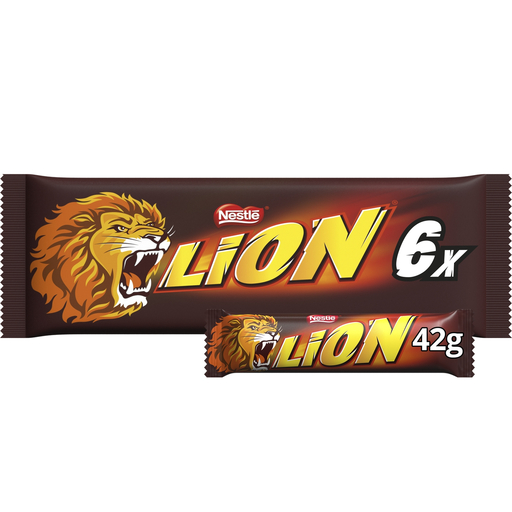 Image unavailable
Six 42 g bars for stocking up on full-size portions. If you plan to hand them out individually, check how they’re packaged as well as the allergens listed on the pack.
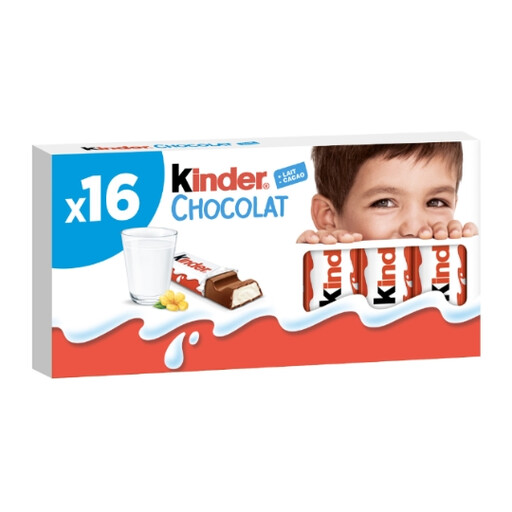 Image unavailable
The number of bars could make this a good option for a shared supply. To compare it with other sizes, also check the weight per bar and the allergens on the packaging.
 Image unavailable
Worth considering if you’re looking for chocolate wafer bars for your breaks. Before planning to share them, check the number of bars, their individual weight and the allergens on the packaging.
 Image unavailable
Three 50 g bars for a small supply of full-size portions. Before putting them out for everyone, check how they’re packaged and which allergens are listed on the pack.
No. The DGCCRF states that the Nutri-Score is voluntary. A nutritional declaration is required for the relevant prepacked foods, subject to regulatory exemptions; check it even when a Nutri-Score appears on the pack.
No, not simply because of its sugar content. The tax contribution covered in the section of the General Tax Code published on Légifrance applies to non-alcoholic drinks. When comparing bars, use their nutritional information rather than this tax.
Keep the packaging for each product accessible so colleagues can check the ingredients and any highlighted allergens. Before buying, also check the number of portions and their weight to help you plan how to share them.
First compare the number of bars, their individual weight and the total weight, based on how you plan to use them. To compare recipes on a like-for-like basis, then check the nutritional values per 100 g and per portion where shown.