
Livraison le jour même ou le lendemain

Qualité garantie

Débloquez vos offres de bienvenue: Livraison GRATUITE | Jusqu'à -80 % | 30 jours d'essai gratuits à JoyPlus
Téléchargez l'application
Remote work, studying, marathon gaming sessions… Spending hours glued to your chair puts a real strain on your body. An office chair with a footrest emerges as the ideal solution to combine productivity and relaxation. But be warned: the market is flooded with models that make tempting promises but rarely deliver. Before you pull out your credit card, it's crucial to know how to avoid the most common pitfalls to make a truly informed decision.
Too many buyers regret their investment, thanks to flaws that only reveal themselves after a few weeks of use. Here are the three most frequent disappointments?:
To avoid falling into the trap, here are the technical specifications to inspect closely. These are what separate a mere gadget from a true ally for your comfort.
The comfort of a reclining chair depends on two key elements: the quality of its recline mechanism and the sturdiness of its footrest. A good reclining gaming chair should offer a backrest that tilts to 150 degrees or more, with a reliable multi-position locking system.
The footrest, meanwhile, should be a telescopic type, mounted on a robust metal frame. Check that the sliders are smooth and that, once extended, it doesn't wobble excessively. A footrest worthy of the name must support your legs without ever bending, transforming your chair into a true haven of peace.
Lumbar support is crucial for preventing back pain. And we're not talking about a simple removable cushion of questionable effectiveness. The best models offer integrated lumbar support that is adjustable in height and/or depth, or an adaptive system that conforms to the curve of your spine.
Don't overlook the armrests either. Adjustable armrests (often called 2D, 3D, or 4D for the number of adjustment directions) allow you to perfectly align your arms with your desk, reducing tension in your shoulders and neck. It's a game-changing detail for anyone who spends their days typing.
To ensure your investment lasts, material quality is non-negotiable. Opt for models that use high-density foam for the seat and backrest. It provides better support and retains its shape for much longer.
As for the upholstery, fabric is more breathable, while PU leatherette is easier to clean. If you choose the latter, verify its quality and thickness to prevent premature cracking. Finally, the presence of certifications like BIFMA or SGS is an excellent indicator of reliability. They guarantee that the chair has undergone demanding strength and stability tests.
Rather than a random list, we've selected models for specific use cases, strictly applying the selection criteria we've just covered.
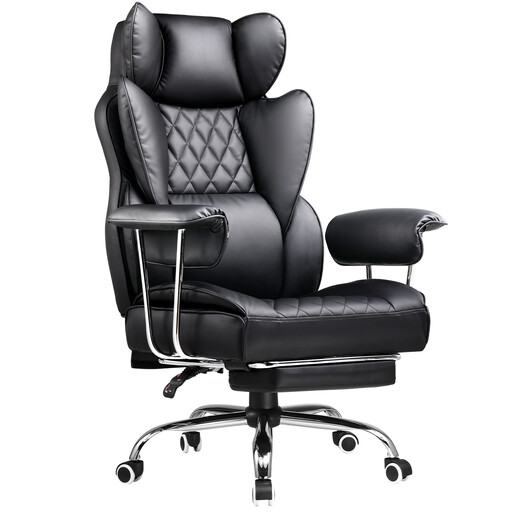
Why we chose it : Ideal for those who switch between work and play, this chair offers essential features (recline, footrest) in a versatile package at an affordable price point.
The footrest is integrated and telescopic, offering functional support for moments of relaxation that goes far beyond a simple gimmick. Its high back and removable cushions provide proper support for the back and neck.
Excellent versatility for gaming and office use, with a wide backrest recline range for effective relaxation.
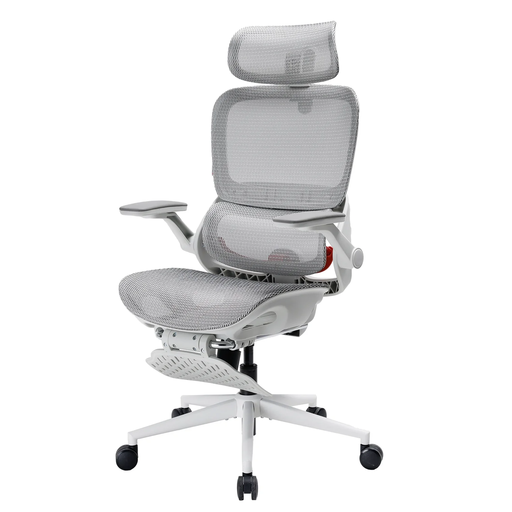
Why we chose it : Designed specifically for long workdays, this model prioritizes advanced ergonomic support over a gaming aesthetic.
It sidesteps the "false ergonomics" trap with an adaptive lumbar support that dynamically adjusts to your movements, providing constant support where you need it most—far superior to a simple static cushion.
The adaptive lumbar support and flip-up armrests offer superior flexibility and comfort for intensive professional use.
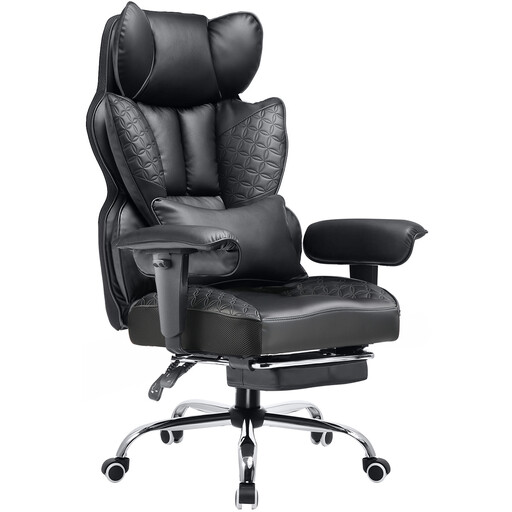
Why we chose it : Specially designed for taller or heavier individuals, or for those who simply want a more spacious chair with an enhanced feeling of sturdiness.
This model makes durability its top priority. Its reinforced (Heavy Duty) frame and high weight capacity guarantee superior longevity and stability, preventing premature wear and tear on components.
Robust construction with a high load capacity, and more generous seat and backrest dimensions for uncompromising comfort.
We've compiled a complete selection of chairs that meet our criteria for quality and durability.
A chair's longevity depends on the quality of its materials and how it's used. A model with a metal frame, high-density foam, and quality upholstery can last 5 to 10 years. Conversely, entry-level models with plastic components and low-density foam often show critical signs of wear after just a year or two. Regular maintenance, such as tightening screws and cleaning the upholstery, can significantly extend its lifespan.
Yes, a gaming chair with a footrest can be perfectly suitable for remote work, provided you don't choose it for its looks alone. These chairs often offer excellent recline and good overall support. However, you must ensure the model you choose offers real ergonomic adjustments (armrests, lumbar support) and isn't just a racing-style seat with minimal features.
Maintaining PU (polyurethane) leather is a breeze. For routine cleaning, a soft, damp cloth will do the trick perfectly. For stains, use a little soapy water (with a neutral soap) and rinse with a damp cloth. Above all, avoid aggressive cleaning products, solvents, or alcohol-based wipes, which can dry out and crack the material. Regular dusting will also help preserve its original appearance.