
Livraison le jour même ou le lendemain

Qualité garantie

Débloquez vos offres de bienvenue: Livraison GRATUITE | Jusqu'à -80 % | 30 jours d'essai gratuits à JoyPlus
Téléchargez l'application
Remote work, studying, gaming… we spend hours glued to our desks. Poor posture can quickly turn these sessions into a real nightmare for your back. Far from being a gimmick, an ergonomic office chair is an essential investment in your daily health and comfort.
But how do you navigate the jungle of available models? This guide is here to help. We'll break down the key criteria to help you find THE chair that fits your needs and budget—without the marketing fluff.
Before diving into our top picks, let's review the key points to check to ensure you make the right choice.
A truly ergonomic office chair should adapt to your body, not the other way around. Look for the following adjustments:
A chair's longevity primarily depends on the quality of its materials. The base (the part with the casters) and the gas lift are key components. For maximum stability and safety, opt for models with components certified by recognized bodies like BIFMA or SGS.
If you need a higher-than-average weight capacity, an office chair with a 150?kg capacity is the perfect solution. These models are designed with reinforced structures to last for years without any unpleasant surprises.
Comfort is subjective, of course, but some features are universally appreciated. A high-density foam seat provides the perfect balance of softness and support. Meanwhile, a mesh backrest is a great ally against overheating in the summer.
Also, consider a reclining office chair: a synchronized tilt mechanism, where the backrest and seat move in concert, encourages dynamic posture and prevents you from staying in a fixed position.
Now that we've covered the basics, here are three models that caught our attention, each with its own strengths.
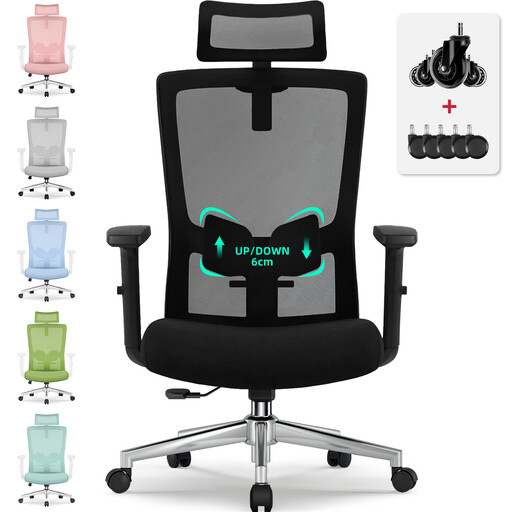
What sets it apart
This GTIMEX model is an excellent all-rounder that focuses on versatile adjustments. Its S-shaped backrest is designed to follow the body's curves, while the 6 cm adjustable lumbar support and adjustable headrest allow for a precise fit. An excellent choice for mixed use, from work to relaxation.
Pros
Who is it for?
For those looking for a versatile remote work chair with maximum adjustability and a high weight capacity, all at an affordable price point.
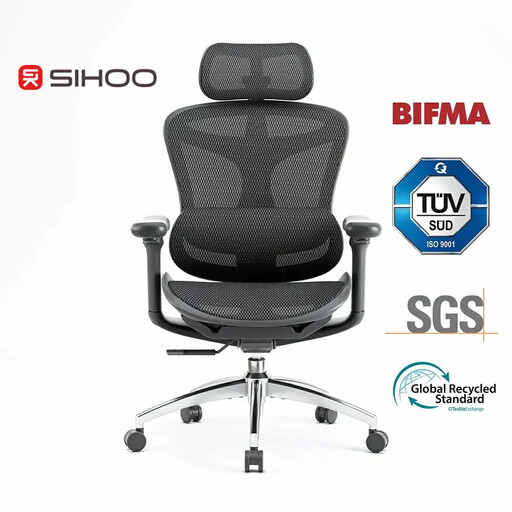
What sets it apart
The SIHOO Doro C300 has a more advanced design, focused on dynamic support. Its lumbar support system automatically adjusts to your movements, providing constant support without any manual adjustments. With its ultra-soft 3D armrests and a tilt mechanism that adapts to the user's weight, this model is built for long-term performance and comfort.
Pros
Who is it for?
For professionals, gamers, and anyone who spends very long hours at their desk and is looking for advanced support technology and cutting-edge materials.
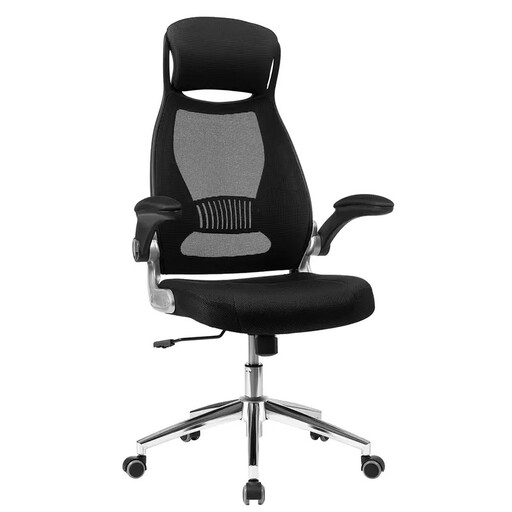
What sets it apart
This model focuses on the essentials: efficiency and durability. It combines a comfortable high-density foam seat with a breathable mesh backrest. Its main advantage? Flip-up armrests, which are incredibly practical for sliding the chair under the desk to save space.
Pros
Who is it for?
For those who want a reliable, comfortable, and sturdy office chair with the clever advantage of flip-up armrests. Ideal for home offices where every inch counts.
Did none of these models catch your eye? Or are you looking for other equipment to perfect your setup?
Discover our complete selection of office furniture and find everything you need to create a productive and pleasant work environment.
The main difference lies in the adjustment options. An ergonomic chair is designed to adapt to your body shape through multiple adjustments (seat height, lumbar support, armrests, headrest, recline). A standard chair, with its limited settings, can quickly lead to poor posture and long-term discomfort.
Follow these 3 simple steps:
A chair's lifespan depends on its materials, your usage, and its maintenance. A model with a steel frame, a reinforced base, and certifications (BIFMA, SGS) is a good indicator of longevity. On average, a well-made chair can last you 5 to 10 years, or even longer.