
Livraison le jour même ou le lendemain

Qualité garantie

Débloquez vos offres de bienvenue: Livraison GRATUITE | Jusqu'à -80 % | 30 jours d'essai gratuits à JoyPlus
Téléchargez l'application
Choosing an off-road RC car can quickly become overwhelming. Between promises of blazing-fast speeds and "heavy-duty" claims on gaudy packaging, it's easy to end up with a disappointing toy that gets tossed in a closet after three outings. The frustration is immense, especially when it was a gift for a passionate kid or teen.
To help you separate fact from fiction, we've broken down the most common pitfalls and the criteria that truly matter. Our goal: to guide you toward a high-performance, durable model that can handle hours of driving without breaking a sweat.
The "Powerful Motor" Mirage: Many entry-level models boast about their power but conveniently fail to specify the motor's technology. A "brushed" motor is cheaper, but it overheats, wears out incredibly fast, and offers limited performance. The result: it's the number one cause of premature failures.
The "All-Terrain" Illusion: An aggressive body shell doesn't make it a true off-roader. A vehicle labelled "all-terrain" but equipped with a brittle plastic chassis, simple rear-wheel drive (2WD), and token suspension will get stuck on the first obstacle. Don't expect it to tackle tall grass, dirt, or gravel.
The Harsh Reality of Battery Life: Nothing is more frustrating than a session that abruptly ends after just 10 minutes. Many entry-level cars come with underpowered batteries that require hours of charging for a few minutes of fun. It's a surefire way to cut the excitement short.
To avoid falling into these traps, focus on a few technical specifications that make all the difference.
The heart of a fast and reliable RC car is its motor. There are two main types:
For true versatility, two features are non-negotiable:
A vehicle designed for rough terrain will inevitably take some hits. The quality of the materials is therefore crucial. Look for models with a reinforced chassis, flexible bumpers, and key components made of high-strength composite plastic or metal (shock towers, wheel axles).
Instead of an endless list, here are models chosen for their excellent performance-to-durability ratio, tailored to specific driver profiles.
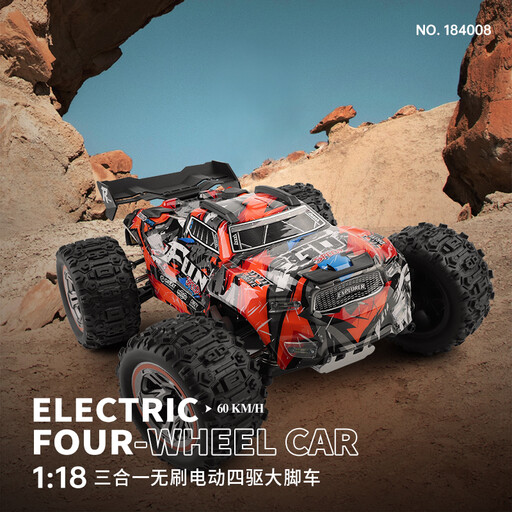
The ideal driver: Perfect for the teen or adult who wants a serious start in the RC hobby. It combines speed, power, and durability for a truly fun driving experience, without the complexity of competition-grade models.
It checks all the right boxes: a brushless motor for lasting performance, a true 4x4 drivetrain, and a robust design. In short, everything that disappointing low-end models are missing.
Brushless motor for high torque and top speed. Chassis designed to handle shocks and jumps. Comes Ready-to-Run (RTR): just unbox and have fun.
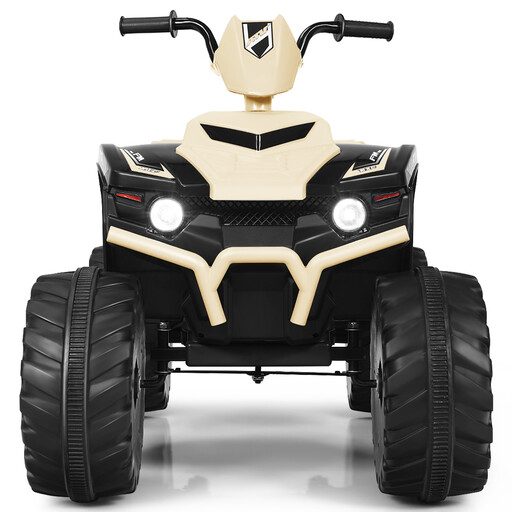
The ideal driver: For the little ones who aren't quite ready for the speed of a real RC car. This ride-on quad gives them their first taste of off-road driving, in complete safety.
Its strength is its honesty: this isn't a race car, but a ride-on toy designed for the fun and safety of young children. This avoids the frustration of an RC toy that's too fast or too fragile for them.
Controlled speed, a comfortable seat, and a 12V battery for long play sessions. The LED headlights and built-in music complete the experience.
For the youngest drivers, explore our full selection of battery-powered ride-on toys, all tested for reliability and compliance with European safety standards.
It all depends on its design and motor. A model with a brushless motor and a sturdy chassis will last for several years, even with rough handling. In contrast, an entry-level model with a brushed motor will show its limitations after a few months of heavy use. Another crucial factor is the availability of spare parts. This is what allows you to repair and extend the life of your machine.
Good beginner models with a brushless motor, like the WLtoys 1:18, can easily reach 40 to 60 km/h (approx. 25-37 mph). That's more than enough for a serious adrenaline rush. Our advice: start in a large car park or an open field to get a feel for the beast!
On the contrary, it's one of its greatest strengths! The brushless motor itself requires no maintenance. The rest is a matter of common sense: a good clean after a run in the mud or sand, checking that the screws are tight, and keeping an eye on tyre and suspension wear. A simple routine that ensures the longevity and performance of your vehicle.