
Livraison le jour même ou le lendemain

Qualité garantie

Débloquez vos offres de bienvenue: Livraison GRATUITE | Jusqu'à -80 % | 30 jours d'essai gratuits à JoyPlus
Téléchargez l'application
A persistent smell in a sofa, car or poorly ventilated room will not necessarily disappear with a simple air freshener. The right odour eliminator depends on the source, the surface and how often you plan to use it. A fabric spray can never replace an air purifier, while a body deodorant meets an entirely different need.
An air freshener can temporarily mask the smell of cooking, tobacco or pets without acting on the compounds responsible for it. Once the fragrance fades, the original smell may therefore return. For fabrics, look for wording such as odour neutralisation or action against smells trapped in the fibres, rather than simply a promise of freshness.
An anti-odour fabric spray is not designed to be applied to the skin. Similarly, a roll-on deodorant should never end up on a sofa or inside a car. Delicate materials such as leather, silk and velvet require particular care: always carry out a preliminary test on an inconspicuous area.
A product advertised as long-lasting may require refills, batteries or filter replacement. For an appliance, the cost of the activated carbon filter or HEPA filter should be included in your budget. For an aerosol or spray, the capacity and frequency of use also have a direct impact on the cost per application.
For an air purifier fitted with a HEPA filter, compare the CADR, expressed in m³/h, with the volume of the room. A high airflow does not automatically mean that the appliance will be suitable for every space. Also check the noise level, power, available modes and how easy it is to find replacement filters.
Activated carbon filters are mainly used to reduce certain odours and gaseous compounds. HEPA filters target airborne particles such as dust, pollen and pet dander. If you are looking for a solution against allergens and pollen, make sure the appliance combines both types of filtration.
Read the label and product information before applying anything. For fabric sprays, spray from a distance, ventilate the room and allow the fabric to dry completely. A biocidal product, such as certain textile disinfectants, must be used carefully and in accordance with the European instructions shown on its packaging.
On the skin, apply the product only to healthy skin and stop using it if irritation occurs. People who are sensitive to fragrances may prefer a lightly scented formula or even an appliance without fragrance diffusion.
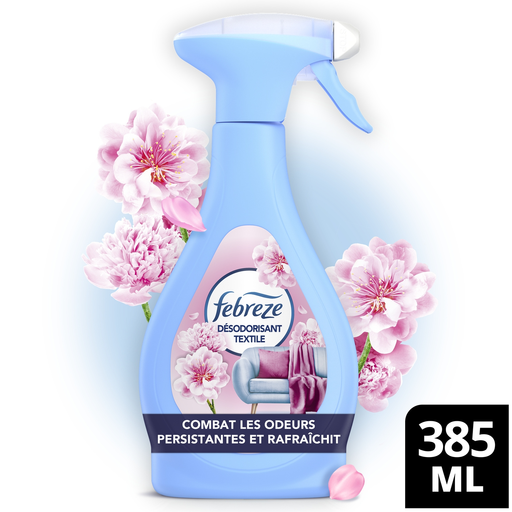
Why this choice suits this profile : With its 385 ml capacity, this spray can be used to freshen cushions, curtains, rugs, clothes or towels between washes, without investing in an appliance.
The product information mentions action against odours trapped in the fibres, rather than simply perfuming the room. A preliminary test on a hidden area is nevertheless recommended.
A practical format, application from approximately 30 cm away and freshness lasting for up to 24 hours on fabrics.
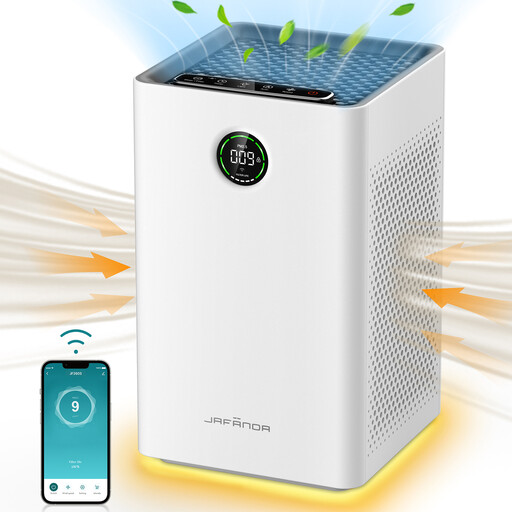
Why this choice suits this profile : Its app and compatibility with voice assistants will appeal to households that want to schedule air purification and monitor air quality every day.
The stated coverage area should be considered alongside the CADR of 260 m³/h and the desired number of air changes. Remember to plan for filter replacement too.
H13 HEPA filtration combined with activated carbon, a PM2.5 sensor, five speeds and a sleep mode rated from 20 dB.
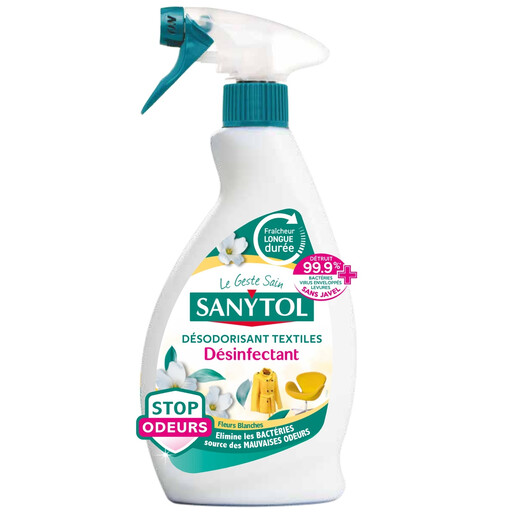
Why this choice suits this profile : This spray is designed for fabrics that cannot be washed or are difficult to clean, particularly in homes with pets, smokers or lots of upholstered furnishings to maintain.
The product information specifies that it is intended for fabrics and recommends a preliminary test. It must not be applied to skin, leather, silk or velvet.
A fine spray, quick drying and the “Stop Odors” technology, advertised for tackling musty, tobacco and cooking smells.
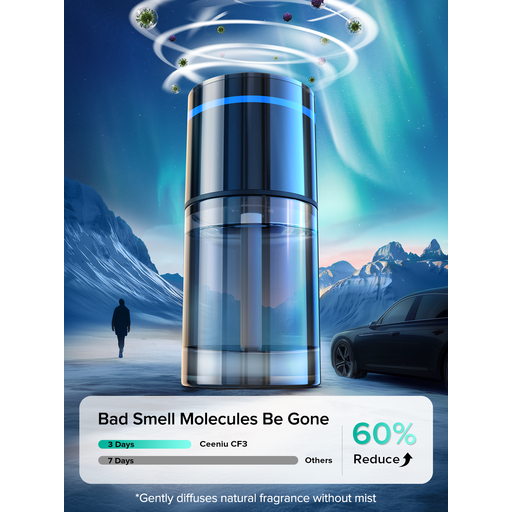
Why this choice suits this profile : This car air freshener is aimed at drivers who want automatic diffusion without having to adjust the appliance on every journey.
The low and high modes let you adjust the intensity and reduce the risk of an overpowering fragrance in a small car interior.
A 135 ml tank, automatic operation when vibrations are detected and a claimed battery life of up to six months.
We have put together a complete, real-time updated list of products that meet these strict selection criteria and European safety regulations.
For your underarms, choose a product clearly presented as a deodorant. According to its product information, the GATSBY Antibacterial Deodorant Roll-On – Soap 60 ml contains aluminium chlorohydrate and white activated carbon. The DOVE Men+Care Silver Control 50 ml claims to offer up to 48 hours of antiperspirant protection, while the AVRIL DEODORANT STICK 50 g displays Cosmos Organic certification and a naturally derived formula, according to the information provided.
These products cannot replace a home odour eliminator, fabric spray or air purifier. Distinguishing between them helps you avoid using products incorrectly and buying something that does not meet your needs.
For a smell ingrained in fabrics, a fabric deodoriser can be useful between cleaning sessions, after testing it on an inconspicuous area. If the smell spreads throughout the room and is accompanied by dust or dander, an air purifier equipped with a HEPA filter and an activated carbon filter offers a complementary approach. However, it remains essential to clean surfaces and ventilate regularly.
It all depends on the capacity, the surface treated and the amount sprayed. Some product information claims up to 24 hours of freshness on fabrics, but this varies according to the material, humidity and intensity of the smell. Where possible, you should also wash or clean the source of the problem.
Consumption depends on the appliance’s power and how long it runs. The models featured here have a power rating of between 32 and 38 W. Automatic mode or scheduling can prevent continuous operation. Filter replacement is nevertheless an ongoing cost that should be taken into account.