
Livraison le jour même ou le lendemain

Qualité garantie

Débloquez vos offres de bienvenue: Livraison GRATUITE | Jusqu'à -80 % | 30 jours d'essai gratuits à JoyPlus
Téléchargez l'application
Check engine light on? That's often the start of anxiety and the fear of a hefty garage bill. For mechanics and savvy DIYers alike, an OBD2 car diagnostic tool is the ultimate way to take back control. The problem? The market is flooded with models making often-misleading promises. So, how do you distinguish a simple gadget from a true ally for your car's maintenance?
As a product expert at Joybuy, I'm here to help you see things more clearly. Together, we'll break down the pitfalls to avoid and the criteria that truly matter, helping you make a choice that's perfectly suited to your needs and budget.
The marketing surrounding these tools can be particularly confusing. Too many buyers end up disappointed with a device that doesn't live up to its promises. Here are the most common mistakes to avoid.
To avoid these traps, focus on the few technical specifications that truly make a difference and define the real value of an automotive diagnostic tool.
The first question to ask yourself is: what level of diagnostics do you really need?
For those who want to go beyond just reading codes, two functions stand out:
The sticker price doesn't always reflect the total cost.
Instead of an endless list, we've selected three standout options, each designed for a specific user profile, based on the criteria we've just covered.
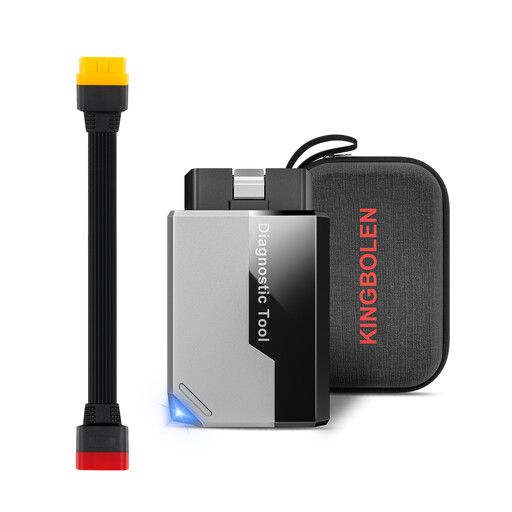
Why it's the right choice: Perfect for those who want to handle routine maintenance (oil changes, brakes) and diagnose faults on family cars. This Bluetooth OBD2 scanner connects to your smartphone, offering a compact and simple solution without the bulk of a tablet.
It includes lifetime updates for all-system diagnostics and 15 service functions, shielding you from hidden subscription fees. Its CAN FD protocol compatibility ensures it works with recent vehicles.
Truly included lifetime updates for key functions. It even integrates basic bi-directional control, a rare feature at this price point.
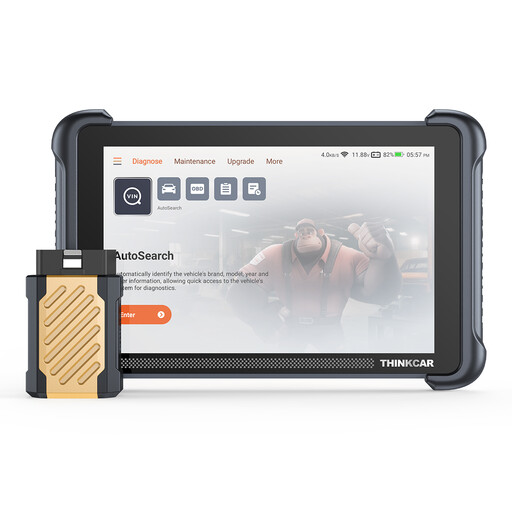
Why it's the right choice: For the knowledgeable enthusiast who works on various makes and needs advanced features. Its 8-inch tablet provides a comfortable viewing experience, and the Bluetooth connection frees you from the constraints of a cable.
Its masterstroke: a lifetime free update policy that covers absolutely all functions, including ECU coding and bi-directional control. Compatible with CAN FD and DoIP protocols, it's future-proof.
An arsenal of 34 service functions. It packs pro-level features like bi-directional control and ECU coding, with no extra costs.
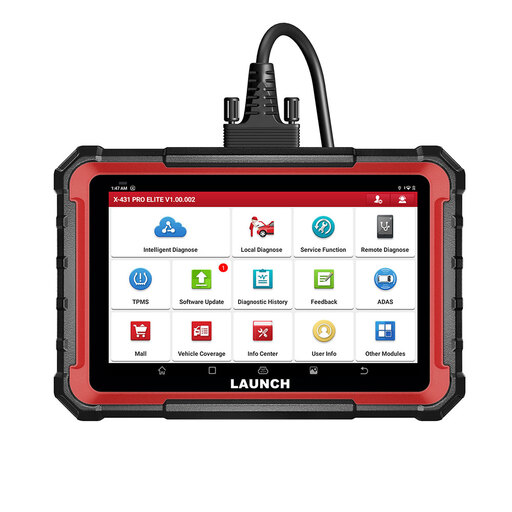
Why it's the right choice: Built for intensive workshop use. Its extensive multi-brand coverage, OE-level diagnostics, and ecosystem of optional modules (endoscope, battery tester, etc.) make it a versatile and scalable workstation.
Although it comes with 2 years of free updates, its business model is transparent. It integrates CAN FD and DoIP protocols, ensuring maximum compatibility with modern vehicle fleets.
OE-level diagnostics and guided functions for the VAG group (VW/Audi). Exceptional speed thanks to its powerful specs (4GB RAM, 2.0 GHz CPU).
We've curated a complete selection of tools that meet our demanding selection criteria.
No, and this is a crucial point. Most scanners are compatible with the OBD2 standard, which has been mandatory in Europe for petrol vehicles since 2001 and diesel vehicles since 2004. This guarantees access to engine diagnostics. However, advanced functions like all-system diagnostics, service resets, or ECU coding are specific to each make, model, and year. It is therefore essential to check the tool's compatibility with your vehicle(s) before you buy.
It depends on the model.
Yes, and the savings can be substantial. Just by reading a fault code, you're already saving the garage's diagnostic fee (typically billed between €50 and €100). Add to that the ability to perform routine maintenance yourself (resetting the oil service light, replacing brake pads on an electric parking brake, etc.), and the investment pays for itself in record time.