Putting together a breakfast with protein in mind
Wholegrain oats can make a good base for your bowl. To see how much protein they contribute, check the amount in the portion you serve, then consider the other ingredients in your meal.


Choose plain wholegrain oats if you want to make your own porridge and decide separately what else to add to breakfast. If you prefer a recipe with added wheat protein, also check the proportion of oats, sugars, fat and allergens. A granola cannot be compared with plain oats on the basis of its protein content alone.
Wholegrain oats can make a good base for your bowl. To see how much protein they contribute, check the amount in the portion you serve, then consider the other ingredients in your meal.
A ingredients list showing 100% wholegrain oats lets you choose what to add to your porridge. It also distinguishes plain oats from a granola made with several ingredients.
Granola may suit you better if convenience or flavour is more important. Compare its ingredients, nutritional information and allergens with those of plain oats.
Start by thinking about the role you want cereals to play at breakfast: a base to build on, or a ready-made recipe.
| What to consider | What to check | Who is this for? |
|---|---|---|
| Protein in your meal | Compare the protein per 100 g and per serving, then take the other ingredients in your bowl into account. | When protein is my priority, I want to know what my cereal actually contributes before putting the rest of my breakfast together. Around 42% of consumers would put total protein first. |
| Oat ingredients | Look for “wholegrain oats” in the ingredients and distinguish a single-ingredient product from a mixture. | If I want to choose what to add to my porridge, I prefer a base with an easy-to-read ingredients list. This simplicity would be the priority for around 33% of consumers. |
| Ready-to-eat recipe | Check the proportion of oats, suggested serving, sugars, fat and allergens in the specific product. | If I’d rather not put my bowl together ingredient by ingredient, what’s in the mix becomes key. Around 25% of consumers would put convenience first. |
Quaker states that its Oats flakes contain 11 g of protein per 100 g, or 4.4 g per 40 g serving. So the whole meal matters more than the name of the cereal alone.
Check how much oats you actually serve, as well as the nutritional information for the other ingredients in your bowl.
According to Carrefour’s product information for Jordans Chocolate Hazelnut Granola, the recipe contains 53% wholegrain oats and 14% wheat protein crunchies, along with other ingredients. It is not a base made from oats alone.
Choose plain oats if you want to decide what to add yourself. If you opt for granola, compare its recipe and nutritional values.
Quaker warns that its Oats flakes may contain barley and wheat. Granola recipes may also contain wheat, soya or nuts.
If you have an allergy or need to follow a strict dietary restriction, read the ingredients and any precautionary allergen labelling on the pack you buy.
A bag of oats and a pack of granola may differ in both size and recipe. The amount in the pack doesn’t tell you what you’ll get in a bowl.
Compare the pack size, the portion you plan to serve and the nutritional values for that amount.
Quaker France describes its plain Quaker Oats flakes as a base made from 100% wholegrain oats.
The Auchan oats flakes reviewed are a plain base whose ingredients list states 100% wholegrain oats.
The 500 g bag of Carrefour Original oats flakes is another single-ingredient option for making porridge.
The Jordans products reviewed are granolas made with several ingredients, not plain oats intended for the same use.
The 1 kg organic wholegrain oats flakes reviewed can be used as a base for porridge.
These two products offer oats to prepare for porridge: groats and flakes. First choose the format that suits your preparation, then check the pack’s nutritional information for the portion you’ll use.
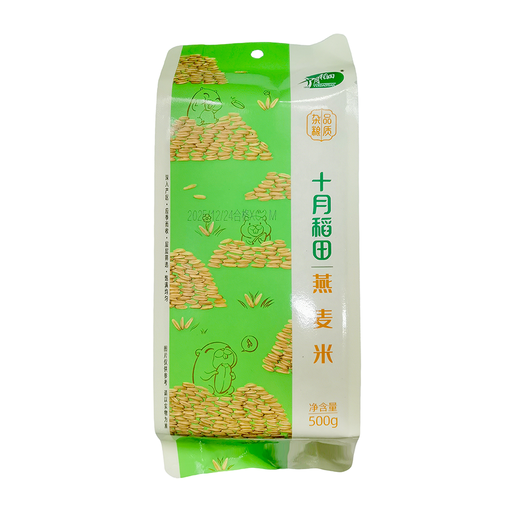 Image unavailable
For making porridge with groats rather than flakes. The instructions say to rinse and cook for 30 to 40 minutes. Check your serving size and the nutritional information on the pack.
 Image unavailable
For making porridge with organic oats flakes. Follow the preparation instructions on the pack and compare the protein content with your actual serving size. If you need to avoid gluten, also check the labelling.
No: “wholegrain” describes the oats, not the protein content of the meal. Quaker France states that 40 g of its Oats flakes contains 4.4 g of protein. Check your serving size and the rest of your bowl rather than judging the meal’s nutritional profile by one ingredient alone.
Read the ingredients list: the Auchan and Carrefour Original oats flakes reviewed state that they contain 100% wholegrain oats. Granola may also contain wholegrain oats, but its recipe includes other ingredients that you should check separately.
No. Quaker warns that its Oats flakes may contain barley and wheat, while Auchan’s product information mentions possible traces of cereals containing gluten. Check the labelling on the exact pack before choosing a product if you need to follow a strict dietary restriction.
For prepacked foods sold in France, the Directorate General for Competition Policy, Consumer Affairs and Fraud Control states that allergenic ingredients must be highlighted. Also read any precautionary allergen labelling on the pack you buy, particularly for recipes combining several cereals, soya or nuts.