What should you look for?
For porridge you’ll prepare over several days, start with how you plan to use it: do you want to make up each serving from plain oats, or follow a recipe that’s already portioned out? Packaging and storage instructions can then help you choose between products that suit your needs.
| What matters to you |
What to check |
Best for |
| Customisable portions |
The product name “oat flakes”, net weight and portioning instructions. |
I want to divide a base between several jars without deciding on the toppings in advance. Around 36% of consumers put this freedom to customise first. |
| Pack size and storage |
The size of the pack, how it closes and the storage instructions once opened. |
When I prepare portions for several days, I look for a pack I can use at my own pace and keep in a dry place. This is the priority for around 29% of consumers. |
| Ingredients and allergens |
The ingredients list, declared allergens and possible traces listed for the variety you choose. |
Before preparing my jars, I need to know exactly what’s in the base. For around 21% of consumers, checking this comes before other criteria. |
| Quick preparation |
The stated serving size and the ingredients in a sachet or ready-made recipe. |
If I sometimes make porridge away from home, a pre-portioned serving may be more useful than a base I can customise. Around 14% of consumers prioritise this convenience. |
Brands to compare
The pack sizes and product details below apply to the specific products listed, not every range from these brands. Always check the product listing against the pack you’re actually buying.
Quaker
Oat flakes available in pack sizes including 500 g and 550 g, depending on the product.
- The Auchan listing for the 550 g pack states that it contains 100% wholegrain oat flakes and gives preparation instructions.
- The same listing mentions possible traces of barley and wheat, so check the details for the variety you choose.
Carrefour Original
A retailer’s own brand offering plain oat flakes in several pack sizes.
- A 1 kg pack is an option if you want to prepare several batches from one pack.
- Check the type of product and how the pack closes for the size you choose.
Carrefour Bio
A 500 g bag of organic wholegrain oat flakes is listed in the range.
- The Carrefour listing states that this product contains 100% organic wholegrain oat flakes.
- It lists possible traces of other gluten-containing cereals, nuts, soya, sesame and mustard.
Grainea
E.Leclerc’s Marque Repère brand offers oat flakes in 500 g and 1 kg packs.
- The two pack sizes let you choose an option that suits the number of batches you plan to prepare.
- Check the packaging and storage instructions for the product you choose.
Bio Village
E.Leclerc’s organic range includes a 500 g pack of oat flakes.
- This pack size may suit you if you want to prepare several portions without starting with a larger pack.
- The organic label doesn’t replace checking the ingredients, allergens and storage instructions on the pack.
Products for your porridge base
This selection includes three 500 g oat-flake products that you can divide between several batches, as well as a 500 g option of oat groats that needs to be prepared differently. If you’re specifically looking for a metal tin, check the packaging before you choose: “single pack” doesn’t necessarily mean a tin.
 Image unavailable
BJORG Organic Oat Flakes 500 g
Worth considering if you want to divide organic oat flakes between several portions and choose your toppings separately. The product comes in a 500 g pack; check the ingredients, allergen information and storage instructions on the packaging.
View on Joybuy
 Image unavailable
Lucien Georgelin Oat Flakes 500 g
A pack of oat flakes to consider if you want to portion out the base for your bowls or jars yourself. The stated weight is 500 g; check the packaging for the ingredients and instructions on storing the opened pack.
View on Joybuy
 Image unavailable
Quaker Oats 500 g
Worth considering if you want to make several portions of porridge from the same oat base. The Joybuy listing for this product states that it contains 100% white oats and lists gluten (oats) as an allergen. It weighs 500 g; check the packaging if you’re looking for a tin rather than another type of pack.
View on Joybuy
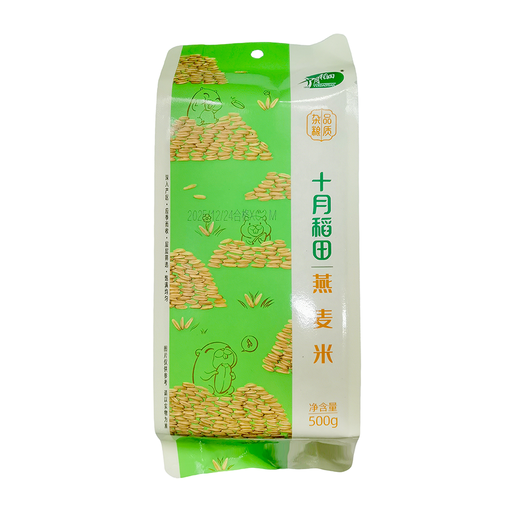 Image unavailable
Oat Groats 500 g
An option to consider if your batch preparation can accommodate the cooking steps needed for oat groats. This 500 g product isn’t made from oat flakes, so don’t follow instructions for an oat-flake recipe without checking first. Also check the storage instructions after opening before planning to use the pack several times.
View on Joybuy
Frequently asked questions
What size pack of oats should I choose to make several portions of porridge?
Choose a pack size you can use at your own pace and store as instructed. Products listed by Carrefour, Auchan and E.Leclerc include 500 g, 550 g and 1 kg packs. A larger pack will also need more dry storage space.
Can I use porridge sachets instead of plain oats?
Yes, if you’re happy with the ready-made recipe, but don’t assume a sachet contains only oat flakes. Check its ingredients list and serving size before using it instead of a plain oat base in several batches.
How should I store an opened pack of oat flakes?
Always follow the instructions on the packaging first. The Auchan listing for 550 g of Quaker oats says to store them in a dry place. If you transfer the oats to another container, keep the batch and date information from the original pack.
What should I check on the label of pre-packed porridge?
Check the product name, ingredients, allergens, net quantity, nutritional information and date in particular. The Directorate-General for Competition Policy, Consumer Affairs and Fraud Control lists these among the details required on food labels. Check them on the specific product you’re buying.
Does a best-before date mean the same as a use-by date?
No. Anses distinguishes between a best-before date, after which taste or nutritional quality may deteriorate, and a use-by date. Check which date is shown on the pack and follow its storage instructions before deciding whether to use the product.


