
Livraison le jour même ou le lendemain

Qualité garantie

Débloquez vos offres de bienvenue: Livraison GRATUITE | Jusqu'à -80 % | 30 jours d'essai gratuits à JoyPlus
Téléchargez l'application
Oat flakes have become a staple in many French households: hot porridge, muesli, baked recipes or breakfast ready in just a few minutes. However, not all products meet the same needs. From wholegrain cereals and instant recipes to sweetened mixes and individual sachets, the label deserves a careful look.
Before placing your order, three common pitfalls are worth bearing in mind:
For versatile everyday use, a product made from 100% oats is easy to identify and use in all kinds of recipes. The flakes can be cooked as porridge, mixed into yoghurt or used to make biscuits and oatcakes.
In an instant preparation, the proportion of oats may be lower. Some sachet recipes contain just 20 to 30%, with the remainder made up of cereals, soya, milk powder, fruit or seeds. This is not necessarily a drawback, but the product should then be chosen for its recipe and convenience rather than presented as simple wholegrain oat flakes.
Nutritional information is usually provided per 100 g, whereas an individual sachet may weigh 35 g and a serving of porridge is generally around 40 to 50 g. To compare two products, always use the same basis.
For guidance:
A recipe containing sultanas, dates, chocolate or glucose may be enjoyable to eat, but also compare its sugar and fat content. The glucose sachet supplied with some preparations is a separate component: check the instructions for use and its ingredients before adding it.
The right format often depends on how organised you are in the morning:
For homemade preparation, a small saucepan or multi-function cooker can be useful. The 2-litre plodon model offers two heat settings and a stated power output of 1,000 W. It can be used to prepare oats, soups or noodles, provided you follow the instructions and do not exceed the recommended fill level.
The products below cover a range of uses: plain oats, organic products, instant porridge, indulgent recipes and individual portions. This information is based on the product listings available. Always check the packaging you receive, particularly the allergens and dates.
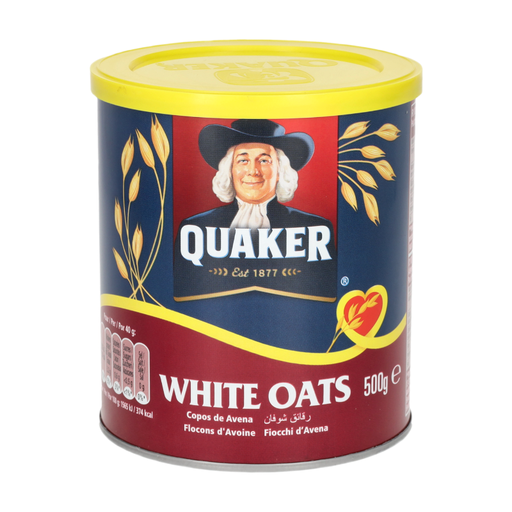
Why this choice suits this profile: Its minimalist composition is ideal for people discovering oat-based breakfasts and wanting to customise their bowl with milk, a plant-based drink, fruit or nuts.
The listing mentions just one ingredient: white oats, with no added sugar, salt or flavouring.
The listing states that it provides 9 g of fibre and 11 g of protein per 100 g, in a 500 g format that is easy to use every day.
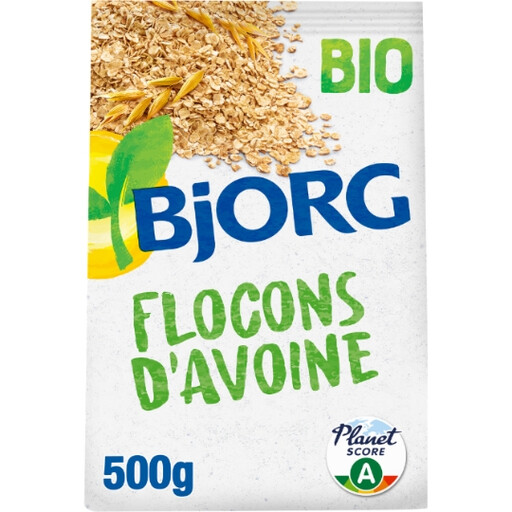
Why this choice suits this profile: This product is aimed at consumers looking for organic wholegrain oat flakes to prepare porridge, muesli, granola or baked goods.
The listing mentions organic wholegrain oat flakes, with no additives or added sugar.
The product information states that it provides 11 g of fibre and 11 g of protein per 100 g.
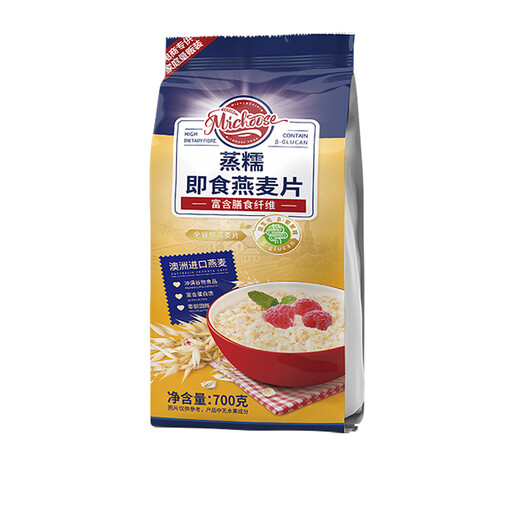
Why this choice suits this profile: The large bag is suitable for regular consumption at home, particularly for families and people who want to prepare porridge quickly with hot water.
The listing describes a recipe made solely from oats, with no colouring or artificial flavouring, to be prepared with hot water.
The listing states that it provides 9.9 g of fibre and 12.2 g of protein per 100 g, with preparation taking just one minute.
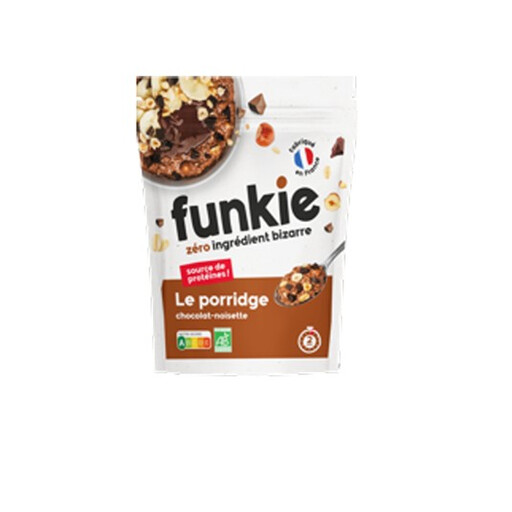
Why this choice suits this profile: This recipe puts a new spin on porridge with fruit and nuts, combining dark chocolate, peanuts, chia seeds and flax seeds.
The list details the main proportions: 54% oats, 15% peanuts and 11% dark chocolate chips.
The listing provides 14 g of protein and 12 g of fibre per 100 g. Simply add water or hot milk, then leave to stand for 2 to 3 minutes.
We have put together a complete, real-time updated list of products that meet these exacting selection criteria and European safety regulations.
Oats are generally listed among the cereals that may contain gluten. Anyone with an allergy or intolerance should check the product selected, as well as any cross-contamination warnings shown on the packaging. Mixed recipes may also contain:
After opening, store the flakes in a dry, cool and tightly sealed place, away from light and moisture. For preparations containing chocolate, seeds or dried fruit, follow the storage instructions shown on the pack.
Pour the desired amount into a bowl, add hot water or milk, then stir. The standing time depends on the texture you want and the manufacturer's instructions. Family Whole sachets generally recommend 175 ml of boiling water for 35 g of preparation.
Dry flakes can be kept until the date shown on the packaging if stored in a dry, sealed place. After opening, reseal the pack carefully and check the smell and appearance, making sure there is no moisture, before eating them.
Not always. Oats are often classified among cereals containing gluten on product listings, and some recipes combine oats with wheat, barley or rye. Anyone affected should choose a product with the appropriate indication and read the allergen declaration carefully.