What should you compare before buying?
To compare a drink labelled ‘sugar-free’ with one labelled ‘no added sugars’ or a plain variety, start with the values per 100 ml. Then look at the serving size, ingredients and how you plan to use it.
| Criterion |
What to check |
Who it matters to |
| Carbohydrates and serving size |
Compare carbohydrates and sugars per 100 ml, then work out how they relate to the amount you serve. Assurance Maladie recommends using this common basis for comparison. |
If I pour the drink into a glass or bowl, I want to understand what the amount I actually consume represents. Around 36% of consumers prioritise carbohydrates and serving size. |
| Sugar claims |
Distinguish between ‘sugar-free’ and ‘no added sugars’, and check the nutritional values. E.Leclerc describes its Bio Village drink as having ‘no added sugars’, yet it contains 5.0 g of sugars per 100 ml. |
I’m looking for a recipe with no added sugars, but I don’t want to mistake this claim for an absence of sugars in the drink. This is the main priority for around 29% of consumers. |
| Ingredients |
Check the ingredients list and, depending on what matters to you, the fibre, calcium or vitamins listed for the specific product. |
When I compare different recipes, I want to know what they contain, beyond what’s shown on the front of the pack. Ingredients are the top criterion for around 21% of consumers. |
| Taste and use |
Check whether it’s recommended for coffee or cooking, and choose a format that suits your habits. Check the nutrition label too. |
If I mainly use the drink in coffee or recipes, its taste and intended use guide my choice. Around 14% of consumers make these their priority. |
Brands to compare
These products give you a way to compare different recipes and claims. Check the information on the product you buy.
Alpro
Alpro’s range includes an ‘Oat No Sugars’ drink.
- Carrefour’s product page lists 9.9% oats in this variety, and mentions fibre, calcium and vitamins.
- Don’t assume the ‘Oat No Sugars’ variety is the same as Alpro’s other oat drinks: compare their respective labels.
Oatly
The range includes a ‘No Sugars’ oat drink, described as suitable for drinking on its own, in coffee and for cooking.
- Oatly describes these uses for its ‘No Sugars’ product.
- A claim about sugars doesn’t mean you can skip checking the ‘carbohydrates’ figure for the product you buy.
Carrefour Bio / Carrefour Sensation
These own-brand products let you compare oat drinks made to different recipes.
- Carrefour describes its Carrefour Bio drink as containing water, 11% oats, sunflower oil and sea salt.
- An ‘organic’ claim and a short ingredients list don’t replace comparing the sugars and carbohydrates.
Bio Village (E.Leclerc)
The organic oat drink labelled ‘no added sugars’ shows why it’s worth reading the claim and nutrition table together.
- E.Leclerc’s product page lists a recipe made with water, 11% oats, sunflower oil and salt.
- It also lists 5.0 g of sugars and 7.2 g of available carbohydrates per 100 ml.
Auchan Bio
Auchan’s organic oat drink is labelled ‘no added sugars’ and is described as suitable for cooking, among other uses.
- Cooking is listed as a recommended use for this product.
- To compare it with a ‘sugar-free’ drink, check the sugars and carbohydrates on the carton you choose.
Vemondo (Lidl)
Vemondo is another brand that offers an organic oat drink.
- This product can be included when comparing organic oat drinks.
- When choosing, check the ingredients and nutritional values on the pack available in your store.
Oat drinks available on Joybuy
These oat drinks include formats for coffee, as well as drinks to compare for other uses. Their names and pack sizes alone won’t tell you how their carbohydrate and sugar contents compare, so check the label for each product.
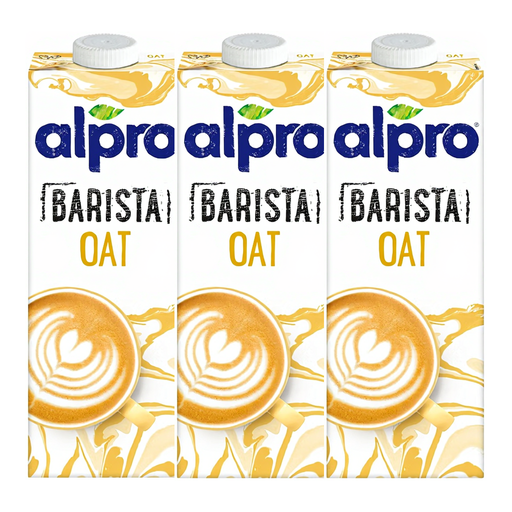 Image unavailable
Alpro Oat Barista, 1 L, pack of 3
A Barista format to consider if you regularly use oat drink in coffee. Compare the carbohydrates and sugars listed on the carton with the amount you pour into each cup.
View on Joybuy
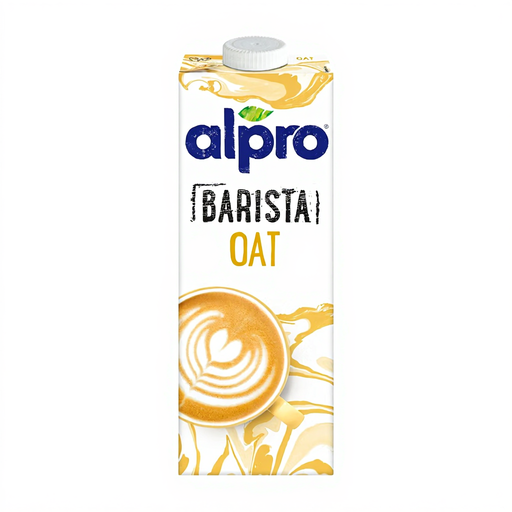 Image unavailable
Alpro Oat Barista, 1 L
The single-carton format lets you try this Barista product without buying a pack of three. For your coffee, check the carton’s nutritional values and the amount you use.
View on Joybuy
 Image unavailable
NATRUE Oat Drink 0%, 1 L
If the ‘0%’ claim catches your eye, check what it refers to on the packaging. To compare this drink with others, look separately at the ‘carbohydrates’ and ‘sugars’ figures per 100 ml.
View on Joybuy
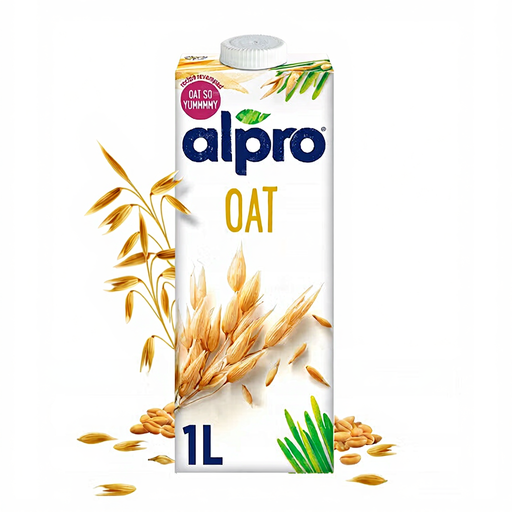 Image unavailable
Alpro Oat Drink, 1 L
For a bowl or a recipe, compare this drink with Alpro’s other products rather than assuming they all have the same characteristics. Check its ingredients and nutritional values per 100 ml.
View on Joybuy
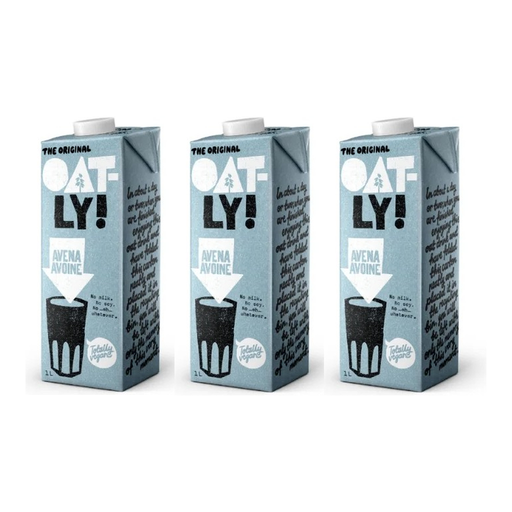 Image unavailable
Oatly Oat Drink, 1 L, pack of 3
This pack contains Oatly Oat Drink, which is different from the brand’s ‘No Sugars’ product. Before choosing a pack size, compare the carbohydrates and sugars in this drink per 100 ml and for your usual serving.
View on Joybuy
Frequently asked questions
Does ‘no added sugars’ mean an oat drink contains no sugars?
No. The claim refers to added sugars, not to the absence of sugars in the nutritional values. E.Leclerc lists 5.0 g of sugars per 100 ml for its Bio Village drink labelled ‘no added sugars’. Check the ‘carbohydrates’ figure too before choosing.
What’s the best basis for comparing two oat drinks?
Compare their nutritional information per 100 ml, then relate it to the amount you consume. Assurance Maladie recommends using this common basis to compare products. The ingredients, carbohydrates, sugars, fibre, fat and salt figures give you more information.
Can you use an oat drink in coffee or for cooking?
Yes. Some products are described as suitable for these uses: Oatly, for example, lists cooking as a use for its ‘No Sugars’ drink. Check the recommended use for the specific product and consider how much you pour when looking at its nutritional values.
How should you store an oat drink?
Follow the instructions on the packaging, both before and after opening. Oatly, for example, distinguishes between cartons that can be stored at room temperature before opening and products sold chilled. Don’t automatically apply these instructions to a different product.


