Families planning a dairy-free lunch
Whether you’re serving the drink chilled or using it in a recipe, check the ingredients and allergen information for the product you choose, particularly if anyone has other dietary restrictions.


For a dairy-free family lunch, choose an oat drink after checking the carton’s ingredients and allergen information, then compare products according to how you’ll use them: for drinking, cooking or frothing. The word ‘plant-based’ doesn’t guarantee that a drink is gluten-free, and oat drink is not a substitute for infant formula.
Whether you’re serving the drink chilled or using it in a recipe, check the ingredients and allergen information for the product you choose, particularly if anyone has other dietary restrictions.
If you’re looking for a less sweet taste, compare the ‘of which sugars’ figure per 100 ml and the ingredients list. ‘No added sugars’ doesn’t mean sugar-free.
A drink designed to froth in coffee may not suit your needs in the same way as a carton chosen for pancakes, a sauce or drinking chilled.
For school holiday lunches, start with the dietary requirements of everyone at the table, then consider how you plan to use the drink and how much you’ll be able to use after opening.
| What to check | Things to look out for | Who this matters to |
|---|---|---|
| Ingredients and allergens | Read the carton’s ingredients and allergen information. If a gluten-free diet is required, look for a specific indication. | If lunch needs to be dairy-free or meet another dietary requirement, I want to check the specific product being served, not just its name. Around 33% of consumers are said to make this their top priority. |
| Sugars and ingredients | Distinguish ‘no added sugars’ from the amount shown as ‘of which sugars’ per 100 ml; check the ingredients too. | For a drink to serve or a savoury recipe, I first look for a taste and ingredients that suit me. This is said to be the top priority for around 27% of consumers. |
| Nutritional information | Compare the nutritional values of the specific products, particularly calcium and vitamins if their presence matters to you. | If this drink is a regular part of lunch, I’d rather compare its nutritional information than assume all oat-based recipes are alike. Around 20% of consumers are said to make this their top criterion. |
| How to use and store it | Check whether it’s recommended for cooking or hot drinks, then read the storage instructions for after opening. | If one carton needs to be used in several recipes over the holidays, I want to make sure I can use it and finish it in line with the storage instructions. This is said to be the top priority for around 20% of consumers. |
The absence of milk doesn’t tell you whether a drink contains gluten or other allergens that may matter to someone.
Check the carton’s ingredients and allergen information. If you need a gluten-free product, look for a suitable indication; AFDIAG, for example, recommends looking for the crossed-out wheat-ear logo. When eating away from home, ask for allergen information.
A drink with no added sugar may still list sugars in its nutritional information: the Auchan Bio product information shows 5 g of sugars per 100 ml.
To compare two cartons, read the exact claim and check the ‘of which sugars’ figure per 100 ml.
Whether calcium or vitamins have been added depends on the specific product; the word ‘oat’ alone doesn’t tell you.
If these nutrients matter to you, compare the ingredients lists and nutritional information for the specific products you’re considering.
A large carton may be impractical if you can’t finish it within the stated time. The Auchan Bio and Ethiquable product information specifies refrigeration and use within five days of opening for the relevant products.
Choose a pack size that suits the number of meals you have planned, and follow the instructions on the carton you buy.
An opened carton may end up being thrown away if you don’t use it in time.
These products have different ingredients and uses; the information for one carton doesn’t necessarily apply to a brand’s entire range.
The Alpro Oat No Sugars product listed by Carrefour is worth considering if you compare sugars and the nutrients shown on the label.
Oatly offers a standard oat drink, a No Sugars version and a Barista Edition, each suited to different uses.
The 1 L organic oat drink with no added sugars listed by E.Leclerc may appeal if you prefer a short ingredients list.
The 1 L organic oat drink with no added sugars shows why it’s worth checking both the ingredients and the sugars declared.
The organic oat drink with no added sugars listed by Auchan highlights the origin of its agricultural ingredients.
This selection includes single cartons and multipacks of oat drink, as well as Barista versions to consider if you’re serving hot drinks with your meal. For a dairy-free lunch, always check the ingredients and allergen information on the carton you receive.
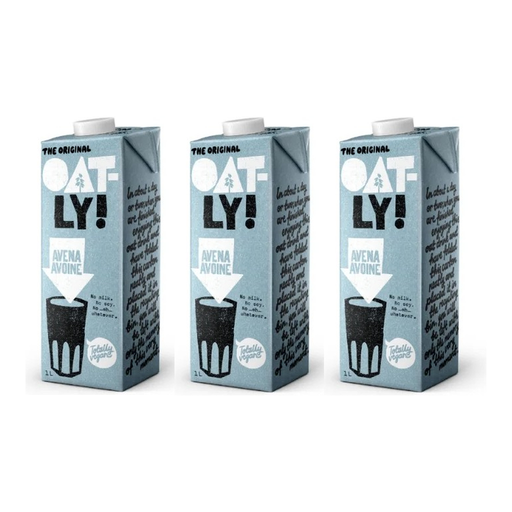 Image unavailable
Worth considering if you’ll need several cartons for meals over the holidays; check the ingredients and allergen information before serving.
Pack of three 1 L cartons.
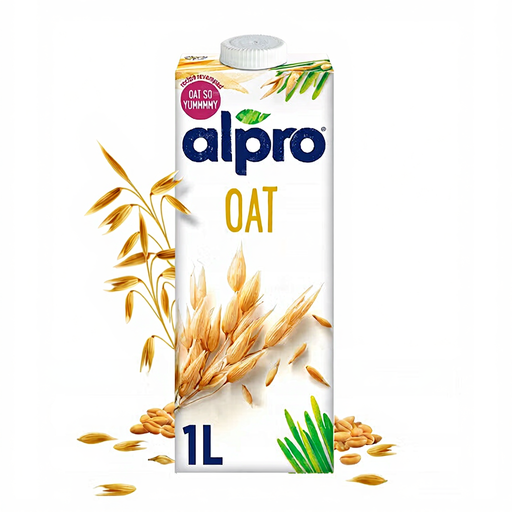 Image unavailable
If you’re choosing a carton for lunch, compare this product’s label with your dietary requirements and how you plan to use it.
1 L carton.
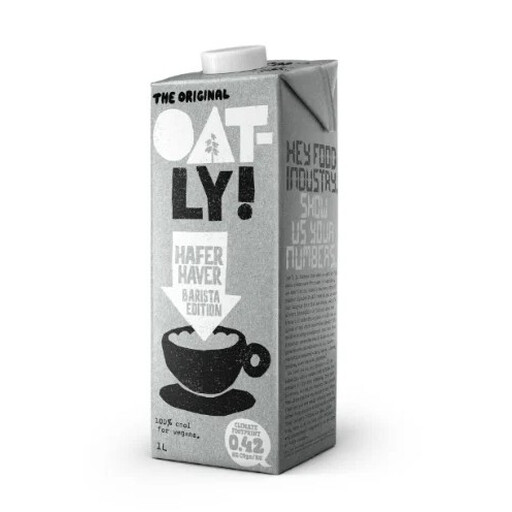 Image unavailable
Worth comparing if you’re making frothy coffee at lunch: Oatly recommends its Barista Edition for this use.
1 L carton; also check the ingredients and instructions for after opening.
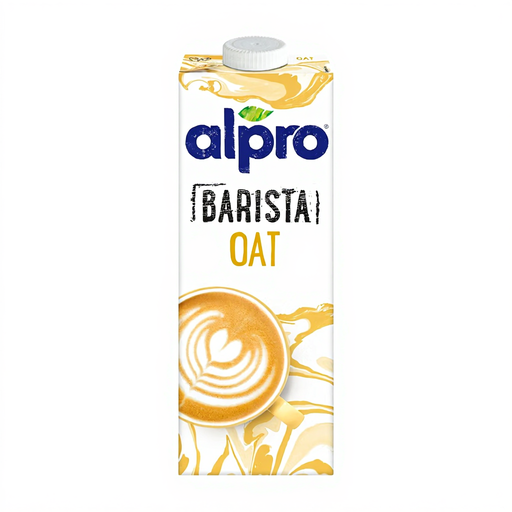 Image unavailable
If you’d like a Barista version for coffee, check the preparation guidance and allergen information on this carton.
1 L carton.
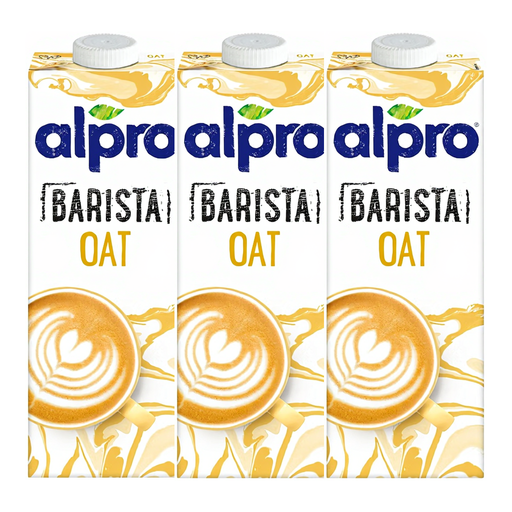 Image unavailable
Worth considering if several Barista cartons suit the drinks you have planned for the holidays; follow the storage instructions for each opened carton.
Pack of three 1 L cartons.
Check the ingredients and allergen information on the carton you’re planning to serve, rather than relying only on the word ‘plant-based’. The DGCCRF sets out the information expected on food labels; if the meal is prepared or served away from home, ask for allergen information too.
No. Compare the ‘of which sugars’ figure per 100 ml. For example, the product information for Auchan Bio’s oat drink with no added sugars shows 5 g of sugars per 100 ml.
Not necessarily: being dairy-free doesn’t mean a drink is gluten-free. If this matters to you, look for a specific indication on the carton; AFDIAG recommends the crossed-out wheat-ear logo as a guide.
No. Oat drink should not replace breast milk or infant formula for a baby. In its advice covering babies from birth to one year, Anses highlights the risks of replacing them with drinks that aren’t specifically designed for this purpose.
Follow the time limit and storage instructions on the carton you choose. The Auchan Bio and Ethiquable product information recommends refrigeration and use within five days of opening for the respective products; this timeframe doesn’t automatically apply to other drinks.