Fans of frothy hot drinks
You make a coffee, tea latte or hot chocolate in the evening and are mainly looking for a frothy texture. Check what the product is designed for rather than assuming that a regular oat drink will give you the same result.


For a warm evening drink, choose a product labelled “barista” if froth is your main priority, or a short-ingredient recipe if you simply want to heat your oat drink. Then be clear about what you mean by “free from”: no added sugars does not mean sugar-free, and you shouldn’t assume a plant-based drink is gluten-free.
You make a coffee, tea latte or hot chocolate in the evening and are mainly looking for a frothy texture. Check what the product is designed for rather than assuming that a regular oat drink will give you the same result.
You mainly want to heat an oat drink with a short ingredients list, and froth isn’t your top priority. Check the nutrition information as well as the “no added sugars” claim.
Lactose-free, dairy-free and gluten-free meet different needs. If you need to avoid gluten strictly, check the relevant claim and allergen information on the exact product’s packaging.
Before choosing an oat drink for the evening, think about how you’ll use it and whether you need to avoid any particular ingredients. A barista blend, a short recipe and a gluten-free requirement don’t all meet the same need.
| What matters | What to check | Who it matters to |
|---|---|---|
| Gluten-free | The “gluten-free” claim on the current packaging and the allergen information for the exact product. | If I need to avoid gluten strictly, the fact that the drink is plant-based isn’t enough. Around 29% of consumers put this requirement first. |
| Froth and hot drinks | A “barista” label or a clear indication that it’s suitable for coffee, tea or hot chocolate. | For my evening latte, I mainly want a drink designed to be frothed. I’ll still compare the ingredients if I have other requirements. This texture is the top priority for around 29% of consumers. |
| Recipe and sugars | The ingredients list, the “no added sugars” claim and the “of which sugars” figure per 100 ml. | For a drink I’m simply heating, I prefer a short recipe, but I don’t confuse no added sugars with no sugars. Around 21% of consumers prioritise this type of recipe. |
| Dairy and lactose | Any dairy or lactose claims, followed by the ingredients list and allergen information, depending on what you need to avoid. | If I’m replacing milk in a hot drink, I need to know exactly which ingredient I’m avoiding. That alone doesn’t meet a gluten-free requirement. Avoiding dairy or lactose comes first for around 21% of consumers. |
An oat drink doesn’t automatically meet a strict gluten-free requirement. The DGCCRF highlights the importance of the claims used and of controlling cross-contamination.
Check the “gluten-free” claim and allergen information on the carton you’re buying, rather than relying on the product category alone.
A recipe can contain sugars even when no sugars have been added. For example, E.Leclerc’s Bio Village product information lists 5.0 g of sugars per 100 ml for its oat drink with no added sugars.
Compare the “of which sugars” figure per 100 ml and the ingredients list, as well as the claim on the front of the pack.
A regular recipe intended for heating isn’t necessarily designed to be frothed. Oatly and Alpro also offer barista products made for this purpose.
If froth is essential for your drink, look for a clear indication that the product is suitable, then check that its ingredients meet your other requirements.
Oatly markets its 1 L Barista Edition for coffee, tea and hot chocolate.
Alpro offers products including Oat No Sugars and Barista Oat, each suited to a different use.
Carrefour Bio’s organic oat drink is a 1 L product with no added sugars.
Bio Village offers a 1 L organic oat drink with no added sugars.
Auchan describes its 1 L organic oat drink with no added sugars as suitable for drinking hot or cold.
Vemondo is part of the range of organic oat drinks featured by Lidl France.
These products are oat drinks for enjoying hot, mainly barista blends as well as flavoured options. Choose according to the drink you’re making, then check the label if you need to avoid a specific ingredient.
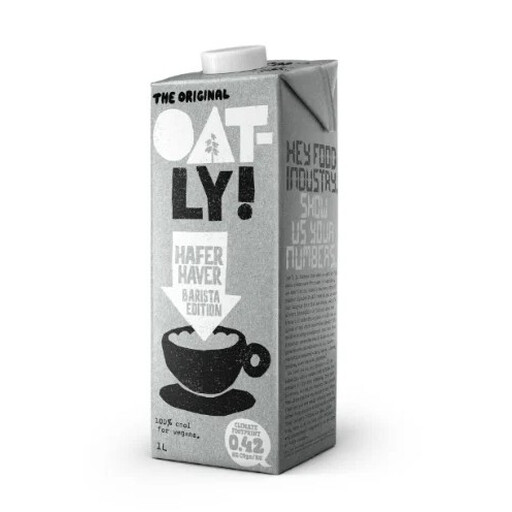 Image unavailable
Worth considering if you’re making a hot drink and want a barista blend: Oatly recommends this product for coffee, tea and hot chocolate. Check the packaging if you need to avoid gluten or another specific ingredient.
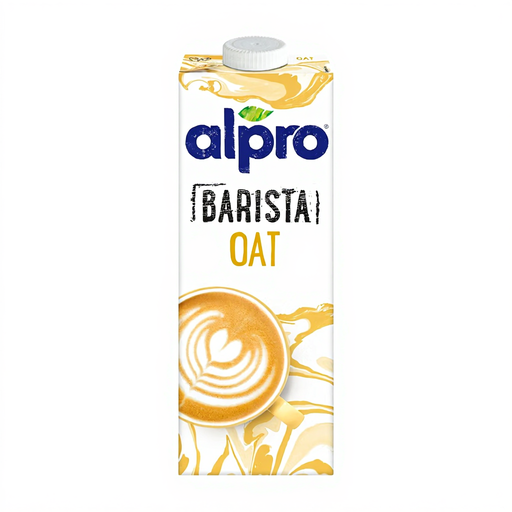 Image unavailable
An option for making an oat coffee with a barista blend. Alpro describes its Barista product as having no added sugars and lists oats as an allergen; check the packaging if you’re also looking for a gluten-free claim.
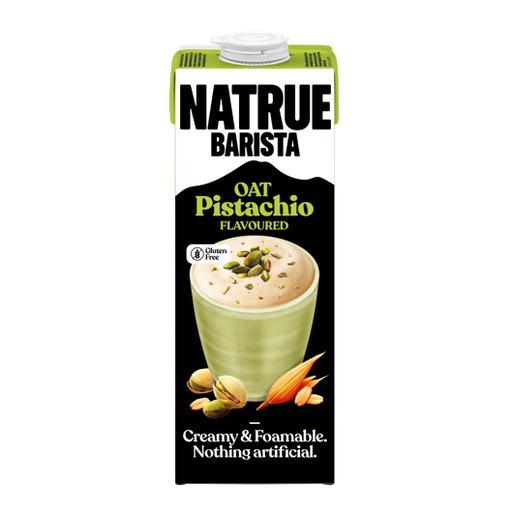 Image unavailable
This pistachio flavour is for anyone who would prefer it in a hot drink rather than a neutral taste. If you avoid nuts, soya or gluten, check the allergens and claims on the packaging.
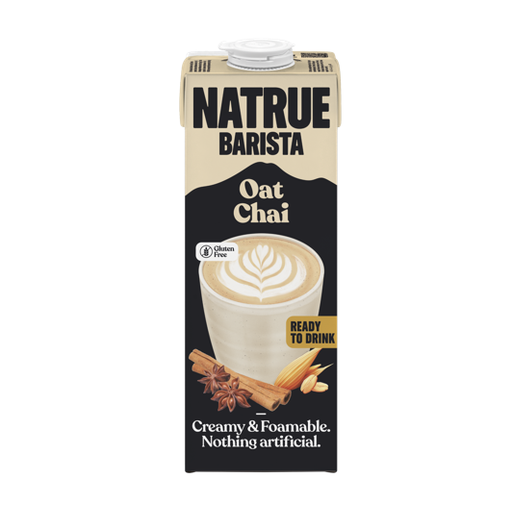 Image unavailable
This chai option is a good choice if you’re looking for a spiced flavour in a warm oat drink. It contains black tea extract, so check the caffeine content before choosing it if you avoid caffeine in the evening. Check separately for any dietary claims you need.
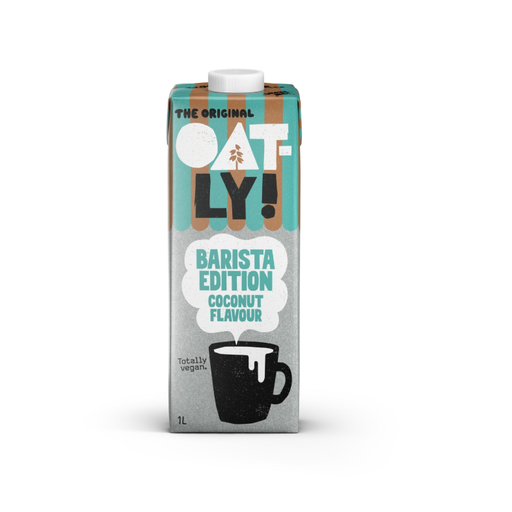 Image unavailable
Consider this coconut-flavoured barista blend if you’d like that taste in a hot drink. Don’t assume its dietary properties are the same as those of regular Oatly Barista: check the ingredients, sugars and allergens for this flavour.
No. The DGCCRF draws attention to oats, “gluten-free” claims and the control of cross-contamination. If you need to avoid gluten strictly, check the claim on the current packaging of the product you’ve chosen, as well as its allergen information.
No: sugars may be naturally present. For example, E.Leclerc’s Bio Village product information lists 5.0 g of sugars per 100 ml for an oat drink described as having no added sugars. Compare products by checking the “of which sugars” figure.
Look for a product specifically designed to be frothed, then compare its ingredients with your other requirements. Oatly markets its Barista Edition for coffee, tea and hot chocolate, and highlights its microfoam. You should still check the allergen information.
Check the ingredients list and allergen information on the packaging of the exact product. The DGCCRF notes that allergenic ingredients must be emphasised on the labels of prepacked foods. A “lactose-free” claim doesn’t meet a “gluten-free” requirement.