People avoiding dairy
If you’re replacing milk in cereal, drinks or recipes, check the ingredients on each carton. The word ‘plant-based’ alone doesn’t tell you whether a product meets a specific dietary requirement.


For dairy-free shopping, choose an oat drink only after checking the ingredients and allergens for the specific product, rather than relying on the words ‘lactose-free’ alone. Then compare the sugars and added ingredients to suit your preferences. If you mainly make frothy coffees, look for a formula intended for that use, but don’t assume it’s also better for cooking.
If you’re replacing milk in cereal, drinks or recipes, check the ingredients on each carton. The word ‘plant-based’ alone doesn’t tell you whether a product meets a specific dietary requirement.
If you mainly buy oat drinks for frothy coffees, compare products marketed for that use with those intended for everyday drinking.
Compare the ‘sugars’ line in the nutritional information, then check the ingredients list. Claims on the front of the carton don’t tell you everything about the formula.
For dairy-free shopping, first check that the specific product is suitable for you. Then compare drinks by their ingredients, intended use and the pack size you need.
| Criteria | What to check | Who it matters to |
|---|---|---|
| Avoiding dairy | Read the full ingredients list, highlighted allergens and any ‘may contain’ statements on the carton you’ve chosen. | I want to replace milk without relying solely on the ‘plant-based drink’ category. For around 33% of consumers with this requirement, suitability for avoiding dairy would be the top priority. |
| Sugars and ingredients | Compare the ‘sugars’ line per 100 ml, any ‘no added sugars’ claim and the ingredients, including any declared additions. | For my cereal or recipes, I want to know what sugars are present and choose the added ingredients that suit me. This would be the first priority for around 27% of consumers with this requirement. |
| Coffee and cooking | Check the intended use stated for the specific product: coffee, everyday drinking or recipes. | If I regularly make frothy coffees, the stated use matters more to me than it would for occasional cooking. Around 20% of consumers with this requirement would put this use first. |
| Pack size and availability | Check the carton size and whether it’s available through your usual retailer. | I buy this drink regularly and want a pack size that suits my shop. Availability and pack size would be the main priority for around 20% of consumers with this requirement. |
Bio Village’s product listing on E.Leclerc states that its oat drink, labelled ‘no added sugars’, contains 5.0 g of sugars per 100 ml.
When comparing two products, check the ‘sugars’ line in the nutritional information per 100 ml as well as the claim on the front of the carton.
A product marketed for coffee and a drink intended for everyday use may not be designed with the same preparations in mind. The name Barista doesn’t tell you about the sugars or ingredients either.
If you often make cappuccinos or lattes, compare the stated use and labels of both products.
Oat-based products can differ in their ingredients and allergens. If you have a specific dietary requirement, check the exact variant you’re buying.
Check the ingredients list and allergens on the packaging, along with any ‘may contain’ statements if these matter to you.
Alpro offers, among other products, an Oat No Sugars option and drinks intended for coffee.
The range includes a No Sugars drink and a Barista Edition aimed at coffee drinkers.
Carrefour Bio and Carrefour Sensation offer oat drinks with different ingredients.
Bio Village offers an organic oat drink labelled ‘no added sugars’.
Auchan offers an oat-based drink in a 1 L carton.
Lidl has offered Vemondo organic oat drink in a multipack of eight 1 L cartons.
This selection includes oat drinks for everyday use and Barista options to consider if you mainly make coffee. If you have a dietary requirement, check the label on the product you receive.
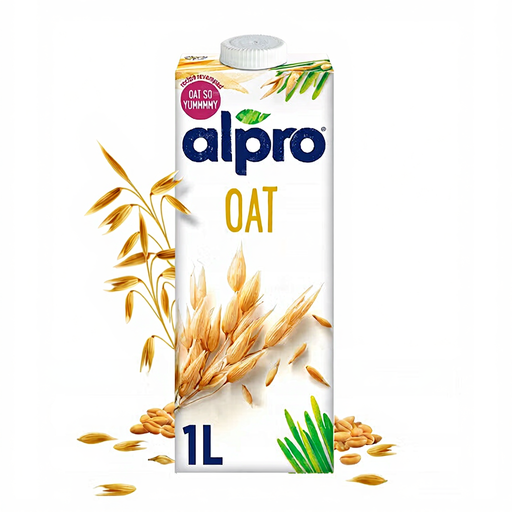 Image unavailable
Worth comparing for cereal or cooking if you’re looking for oat drink in a 1 L carton. Check the sugars, ingredients and allergens for this variant on the packaging.
 Image unavailable
When comparing oat drinks in a one-litre pack, check what ‘0%’ means for this variant, then read the ‘sugars’ line and check the allergens on the carton.
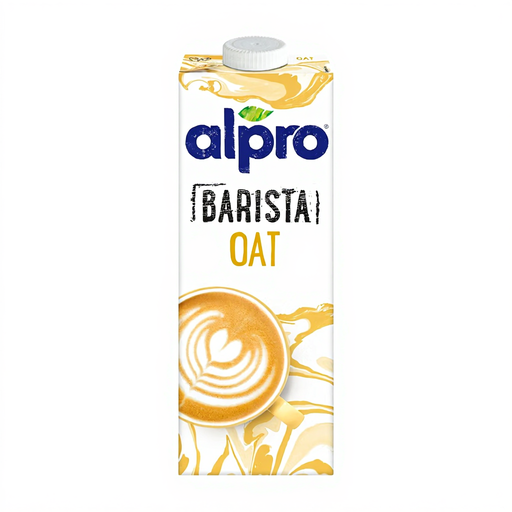 Image unavailable
This 1 L Barista variant is worth comparing if you mainly make plant-based coffees. Its name alone doesn’t tell you how much sugar it contains or whether it meets a dietary requirement, so check the label.
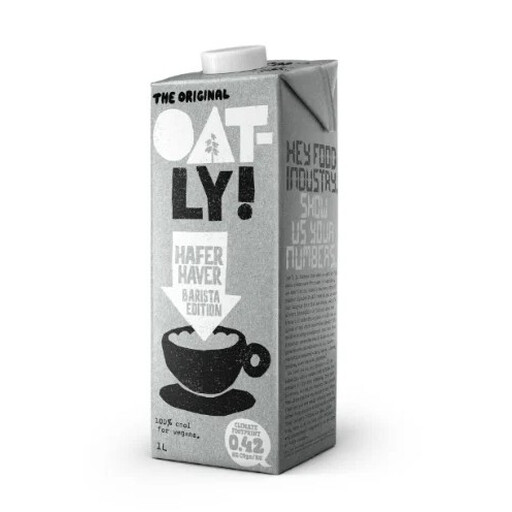 Image unavailable
This 1 L Barista oat drink is one to consider when comparing products intended for coffee. To compare it with an everyday drink or another Barista option, check its ingredients and nutritional information.
No. The ‘oat drink’ category alone doesn’t establish whether a specific product is suitable. In France, the DGCCRF reminds consumers that allergens must be highlighted in the ingredients list of prepacked foods. Also check for any ‘may contain’ statements and, if you have a diagnosed allergy, follow the advice of your healthcare professional.
No. E.Leclerc’s listing for Bio Village oat drink says ‘no added sugars’ but also states that it contains 5.0 g of sugars per 100 ml. Compare products by checking the ‘sugars’ line in the nutritional information.
First compare products specifically intended for coffee, then check their ingredients and nutritional information. Oatly describes its Barista Edition as designed for this use, but the brand’s description doesn’t predict how every Barista drink will perform.
Follow the instructions on the carton you’ve chosen, as storage requirements vary by product. For example, Auchan says to keep its oat-based drink refrigerated between 0 °C and 6 °C and to consume it within five days of opening. Don’t automatically apply this guidance to another brand.