Office coffee lovers
You often make a milky coffee, latte or cappuccino during your lunch break and want a drink designed for that purpose. Oatly describes its Barista Edition as micro-foaming.


For lunch at work, choose a barista oat drink if you mainly make milky coffees. If you prefer to drink it cold or pour it over cereal, compare plain options and those with no added sugars instead. The ingredients list, nutritional information and storage instructions after opening matter more than descriptions such as “mature” or “aged”.
You often make a milky coffee, latte or cappuccino during your lunch break and want a drink designed for that purpose. Oatly describes its Barista Edition as micro-foaming.
You want to drink it chilled with your meal, pour it over cereal or use it in cooking. In that case, the ingredients, added sugars and storage instructions for an opened carton can help you decide.
You check the ingredients and packaging claims before buying. The presence of oats alone does not mean a drink is gluten-free.
For lunch at work, start with how you’ll use it most — in hot coffee or as a cold drink — then check the recipe and storage instructions for the product you choose.
| Criteria | What to check | Who it matters to |
|---|---|---|
| Using it in coffee | Whether the product is described as suitable for barista use; nutritional information for the exact product. | If I mainly make milky coffees during my break, I look for a formula designed for hot drinks; around 40% of consumers would put this use first. |
| Ingredients | Ingredients list, “no added sugars” claim and “of which sugars” line; whether calcium or vitamins have been added. | If I want a cold drink with my meal, I want to choose between a short ingredients list and an enriched formula; around 30% of consumers would prioritise the ingredients. |
| Allergens and storage | Allergens and a “gluten-free” claim if needed; refrigeration and the stated timeframe after opening. | If I need to check allergens and keep an opened carton at work, the label and storage instructions come first; around 30% of consumers would prioritise them. |
These words don’t tell you how an oat drink is intended to be used or what it contains. The products featured here are better distinguished by their barista use, recipe and storage instructions.
Decide whether you’ll drink it cold or use it in coffee, then read the label on the exact product.
Carrefour’s product listing for Alpro No Sugars Oat Drink mentions calcium, vitamins and a stabiliser, while the Carrefour Bio listing describes a recipe made with water, oats, sunflower oil and sea salt.
Compare the ingredients and nutritional information with what you’re looking for. Don’t assume you know the recipe from the words “oat drink” alone.
A drink containing oats is not automatically suitable for a gluten-free diet. The DGCCRF notes that gluten-related claims must meet specific requirements.
If this is essential for you, look for a suitable, explicit claim on the packaging and check the allergen information.
According to Auchan France’s product listing, Auchan Bio oat drink should be refrigerated after opening and consumed within five days.
Before choosing a carton for several lunches, check the instructions for that specific product and whether you have access to a fridge.
If you can’t finish it within the stated timeframe, you may end up throwing some of it away.
The range includes a classic oat drink and a Barista Edition designed, among other things, for coffee breaks.
No Sugars Oat Drink is one option to compare when choosing a cold drink based on its ingredients.
An organic option to compare if the ingredients list is your top priority.
An organic oat drink where the after-opening instructions matter if you plan to use it over several lunches.
Another organic oat drink to consider for cold drinks or cooking.
This selection includes barista drinks for coffee and oat drinks to consider for a cold lunch. Compare the format, flavour and packaging information to find the right option for you.
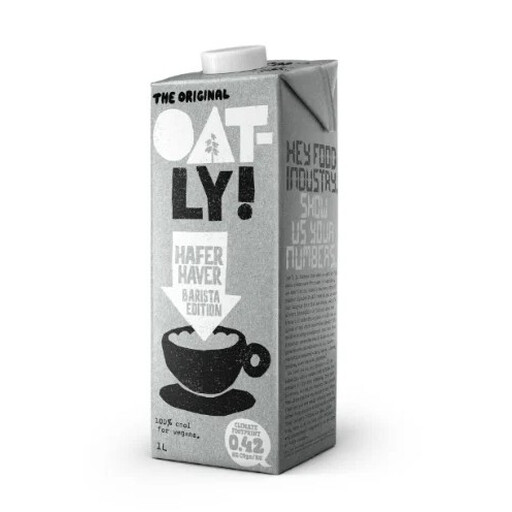 Image unavailable
Worth considering if you mainly have a milky coffee during your lunch break. Oatly describes its Barista formula as micro-foaming. Check the carton for ingredients, allergens and storage instructions after opening.
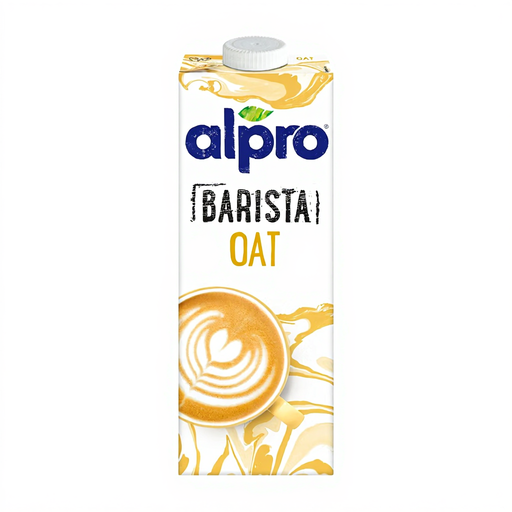 Image unavailable
This barista option is designed for coffee breaks. If sugar content or storage after opening will affect your choice, check the nutritional information and packaging instructions.
 Image unavailable
Worth considering if you’re looking for an oat drink that isn’t labelled as a barista product. A pack of three cartons needs storage space, and you’ll need to check the instructions for each carton once opened.
 Image unavailable
If you’re having it with lunch, check what “0%” means on the packaging and read the “of which sugars” line in the nutritional information. Also check the allergens and instructions for after opening.
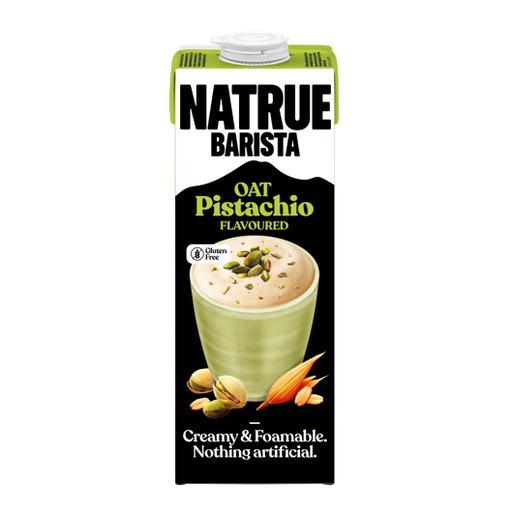 Image unavailable
Consider this pistachio barista option if you’d like that flavour in your coffee, rather than a plain drink with your meal. Check the ingredients and allergens for this specific variety.
It’s mainly designed for regular use in coffee: Oatly describes its Barista Edition as micro-foaming. If you mainly drink your oat drink cold, compare plain options by their ingredients and nutritional information too.
No. This claim doesn’t replace the amount shown on the “of which sugars” line. Check the nutritional information for the specific product to see how much sugar it contains.
No. You need to check the claim on the specific product. If a gluten-free diet is essential for you, check both the claim and the allergens on the packaging. The DGCCRF notes that gluten-related claims are regulated.
Follow the temperature and timeframe stated on the carton itself. For example, Auchan France’s product listing says to keep Auchan Bio oat drink refrigerated at a maximum of +6 °C and consume it within five days of opening.