For a work-from-home lunch, first choose an oat drink that’s suitable for the ingredients you need to avoid. The fact that it contains oats doesn’t mean it’s gluten-free. Then compare the sugars, any stated fortification and the intended use — cereal, cooking or coffee — on the specific variant you’re planning to buy.
Who is this choice for?
People avoiding certain ingredients
If you avoid dairy, soya or gluten, check the ingredients and packaging information for each variant. The French Association of People with Gluten Intolerance also highlights the importance of avoiding cross-contamination when preparing meals.
People having lunch at home while working remotely
Whether you’re having it with cereal, making a sauce or drinking it on its own, compare the recipe, nutritional information and storage instructions after opening.
Fans of plant-based coffee at home
If you’ll mainly be using it in coffee, a barista variant may be a good choice if you’re looking for a particular texture. Oatly and Alpro market their barista ranges for this purpose; check the ingredients separately.
What should you check?
Start with the ingredients you need to avoid, then compare the sugars and fortification of the product you’re considering. Texture in coffee only becomes a deciding factor if that’s how you’ll be using it at lunch.
| Criteria | What to check | Who is it for? |
|---|
| Dietary exclusions |
Read the ingredients and allergen information. If you need to avoid gluten strictly, look for an explicit “gluten-free” statement on the specific product you’ve chosen. |
If an ingredient must be excluded, the product’s ingredients matter more than whether it’s suitable for coffee or cooking; around 31% of consumers would put this first. |
| Sugars and recipe |
Compare the ingredients list, the “no added sugars” or “sugar-free” claim, and the “of which sugars” value per 100 ml. |
If you regularly have the drink with lunch, you may want to prioritise the recipe and its sugar content; this is reportedly the top priority for around 25% of consumers. |
| Dairy alternatives and fortification |
Check for ingredients you need to avoid, then look at the amounts of calcium and vitamins listed for the exact variant. |
If I’m replacing a dairy drink, I may want to check what’s been added to the oat drink too; around 25% of consumers would prioritise both of these factors. |
| Coffee and cooking |
Choose a barista variant if coffee texture matters; for cooking, check the ingredients and the stated intended use instead. |
If your choice is guided by your coffee break or a recipe, how you’ll use the drink matters more; around 19% of consumers would make this their main criterion. |
Mistakes to avoid
-
Assuming “made with oats” means “gluten-free”
The fact that a drink is made with oats doesn’t mean it’s suitable for someone who needs to avoid gluten strictly. The French Association of People with Gluten Intolerance also warns about the risk of cross-contamination during preparation.
Check for a “gluten-free” statement on the exact product, and avoid sharing utensils that have come into contact with foods you need to exclude.
-
Confusing “no added sugars” with “sugar-free”
These claims don’t mean the same thing: a recipe with no added sugars may still contain sugars that occur naturally in the product.
Check the “of which sugars” value per 100 ml, and don’t assume the information for one variant applies to another.
-
Choosing a barista version before checking the ingredients
A drink marketed for its coffee froth won’t necessarily be suitable for people avoiding certain ingredients.
Check the variant’s label first, then choose a barista option if the texture of hot drinks is genuinely important to you.
-
Assuming all oat drinks are fortified
Oatly product pages and some Alpro product pages mention fortification, while other recipes focus mainly on their ingredients.
Check the carton for listed calcium and vitamins, including the amounts where these are provided.
Oat drink brands to know
Alpro
The range includes classic oat drinks, unsweetened options and variants made for coffee.
- Auchan’s product page for an Alpro oat drink lists added calcium and vitamins.
- Check the sugar claims and ingredients on the variant you buy, particularly when comparing a classic drink with a barista version.
Oatly
The range includes an Original drink, a No Sugars variant and a Barista Edition.
- Oatly says its Original drink contains added calcium and iodine, and recommends its Barista Edition for coffee-based drinks.
- These details apply to different products, so compare their sugar content and ingredients separately.
Carrefour Bio
The brand offers a 1 L organic plain oat drink.
- Carrefour France’s product page lists water, 11% organic oats, sunflower oil and sea salt.
- A short ingredients list alone doesn’t confirm that a drink is gluten-free or fortified.
Auchan
The brand offers a 1 L oat-based drink as well as a barista variant.
- For its plain drink, Auchan France advises refrigerating it after opening and consuming it within 5 days.
- These instructions apply to this product; check the guidance on your own carton.
Bjorg
The brand’s range includes a 1 L organic no-sugars oat drink.
- For this product, Carrefour France’s product page lists water, 11% organic oats, sunflower oil and sea salt.
- The recipe alone doesn’t confirm that it’s gluten-free or fortified with calcium, so check the packaging information.
Oat drinks on Joybuy
This selection includes classic oat drinks, a recipe with a short ingredients list and barista variants. Whatever you choose, put the ingredients you need to avoid ahead of taste or texture preferences.
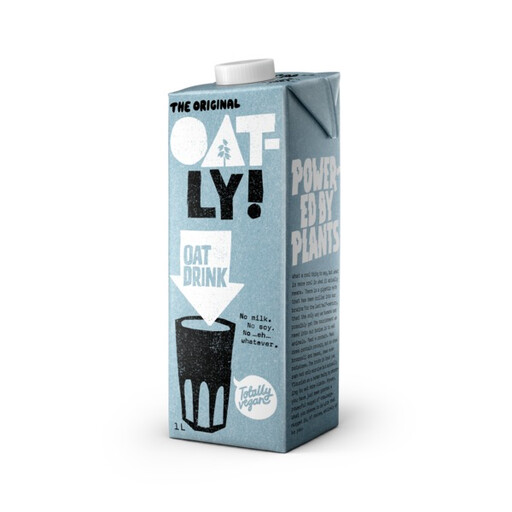 Image unavailable
Oatly Oat Drink Original, 1 L
Worth considering for cereal, coffee or cooking if you’re looking for a classic oat drink. This product is described as dairy-free and soya-free, but its listing notes that it contains gluten from oats. Don’t choose it for a strict gluten-free diet on this basis.
View on Joybuy
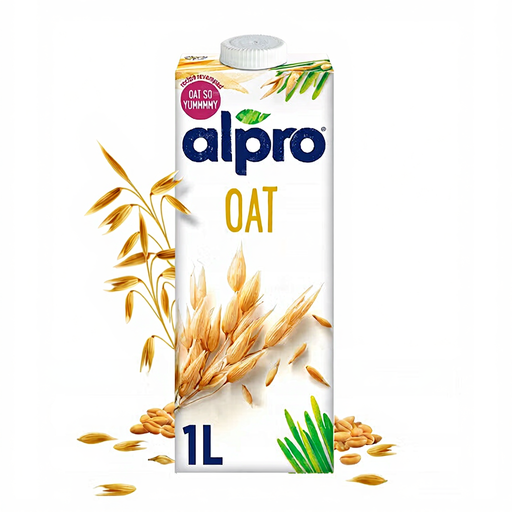 Image unavailable
Alpro Oat Drink, 1 L
Consider it for cereal or cooking if you’re looking for a drink described as dairy-free. The product page notes that it contains gluten from oats. If you also need to avoid soya strictly, check the French packaging information for this product.
View on Joybuy
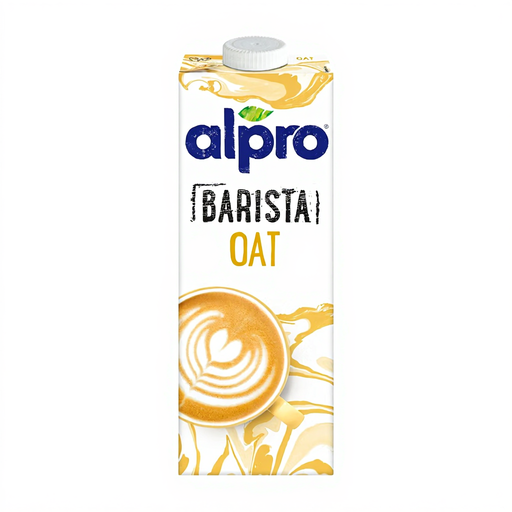 Image unavailable
Alpro Oat Barista, 1 L
Worth considering if your coffee break matters more than having it with cereal. The product page says it’s designed to froth and recommends starting with a cold drink, without heating it above 65 °C during preparation; it also notes that it contains gluten from oats. Check the packaging if you also need to avoid soya strictly.
View on Joybuy
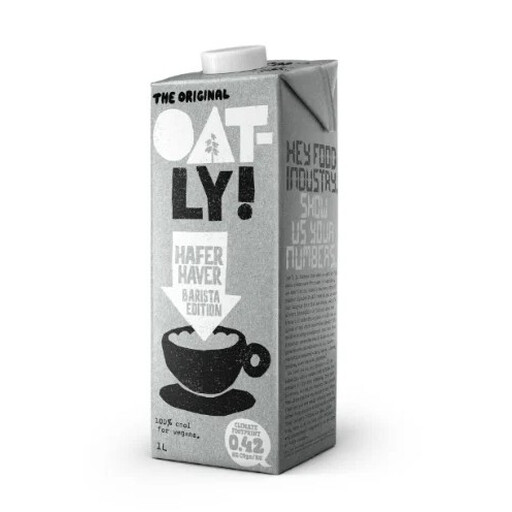 Image unavailable
Oatly Barista Oat Drink, 1 L
Another coffee-focused option, designed to create microfoam. The product page describes it as dairy-free and soya-free, but notes that it contains gluten from oats. Follow the storage instructions on the carton once opened.
View on Joybuy
 Image unavailable
NATRUE Oat Drink 0 %, 1 litre
Worth considering if a short ingredients list is your priority when choosing an oat drink. Check what “0 %” means on the packaging before drawing any conclusions about its nutritional content. The product page notes that it contains gluten and may contain traces of soya or nuts, so based on this information it isn’t suitable if you need to avoid these ingredients strictly.
View on Joybuy
Frequently asked questions
Are oat drinks automatically gluten-free?
No. The fact that a drink contains oats doesn’t mean it’s gluten-free. If you need to avoid gluten strictly, check for an explicit statement on the exact product and be mindful of possible cross-contamination during preparation, as highlighted by the French Association of People with Gluten Intolerance.
Does “no added sugars” mean “sugar-free”?
No. A drink with no added sugars may still contain sugars that occur naturally in the product. To compare two cartons, check the “of which sugars” value per 100 ml and the exact claim on each one.
How long can you keep oat drink after opening?
Follow the instructions on the carton you buy, as they vary by product. For example, Auchan France advises keeping its oat drink in the fridge and consuming it within 5 days of opening.
How do you choose between a classic drink and a barista version?
First choose based on the ingredients you need to avoid, then think about how you’ll use it. A barista version is designed to give coffee a particular texture, while a classic drink may suit cereal or cooking. The “barista” label alone doesn’t tell you about allergens or sugars.


