People who need to avoid gluten
For a gluten-free hot drink, the word “oat” isn’t enough: check that the carton you choose is labelled “gluten-free”.


For a warming winter drink, first choose an oat drink that meets the dietary requirement that matters to you. If you need to avoid gluten, look for an explicit “gluten-free” statement on the carton. If you’re more concerned about latte foam or what goes into your hot chocolate, compare the stated use, sugars, ingredients and storage instructions. “Plant-based” or “lactose-free” does not mean “gluten-free”.
For a gluten-free hot drink, the word “oat” isn’t enough: check that the carton you choose is labelled “gluten-free”.
If foam matters more to you than a simple recipe, look for products that the manufacturer says are suitable for this use, then check the ingredients against your dietary requirements.
For coffee, tea or winter recipes, compare the sugars, ingredients, any added nutrients and the pack size you’ll be able to finish after opening.
Start with the dietary requirement your purchase must meet, then compare suitable products by the texture you want and their nutritional information.
| Criteria | What to check | Who is it for? |
|---|---|---|
| Avoiding gluten | Look for “gluten-free” on the packaging; don’t assume a product is gluten-free because it says “plant-based”, “organic” or “lactose-free”. | If I need to avoid gluten, I want to be able to identify the right carton for my hot drink without any doubt. Around 56% of consumers would put this requirement first. |
| Foam and texture | Look for a product labelled Barista for hot drinks, then check its ingredients and any dietary exclusions stated. | For my latte or hot chocolate, I prefer a drink designed to be frothed. This texture would be the priority for around 22% of consumers. |
| Everyday ingredients | Compare sugars per 100 ml, ingredients, any added nutrients and storage instructions after opening. | If I use it regularly in drinks or recipes, I want to choose ingredients and a pack size that suit me. Around 22% of consumers would prioritise these criteria. |
These labels address different things. For strict gluten avoidance, AFDIAG also draws attention to cross-contamination during preparation.
Choose a carton explicitly labelled “gluten-free” and check this statement on the product you buy. Use suitable utensils for preparing your drink, too.
A claim about frothing doesn’t, by itself, tell you whether the product contains gluten or what other ingredients it includes.
First check that the packaging meets any essential dietary requirements, then choose a suitable drink whose stated use matches your latte or hot chocolate.
Storage instructions vary between oat drinks. A 1 L pack may be impractical if you only use a small amount at a time.
Check the storage time and temperature on the carton, then choose a pack size that suits how much you drink.
An opened carton that you can’t finish within the stated time may go to waste.
Check the details that matter for hot drinks or dietary requirements on each individual product, even within the same brand.
The range includes classic oat drinks, a No Sugars version and products designed for hot drinks.
The brand offers a classic drink, an organic version and a Barista Edition.
An option if you’re looking for an organic oat drink in a 1 L carton.
The No Added Sugars organic oat drink comes in a 1 L carton.
The retailer sells an oat-based drink under its own brand and also stocks a Bjorg drink explicitly labelled gluten-free.
Lidl has sold Vemondo organic oat drink in a pack of 8 × 1 L cartons.
These products are intended for making coffee and other hot drinks, or for everyday use as an oat drink. If you need to avoid gluten, only choose a carton explicitly labelled “gluten-free”: the products below should not be selected if you need to avoid gluten strictly.
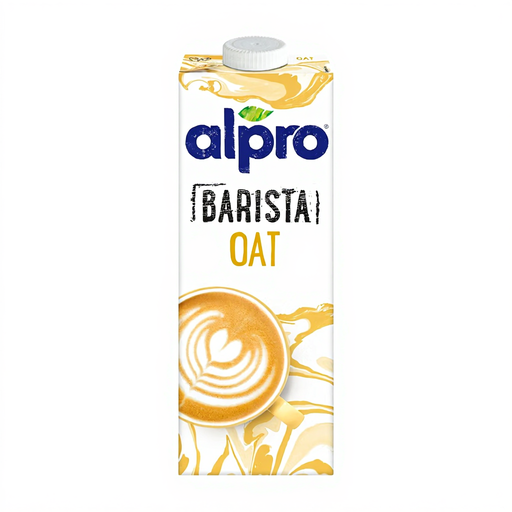 Image unavailable
Worth considering for coffee at home if you’re looking for a Barista formula; the carton contains 1 L.
The description indicates that it contains gluten, so don’t choose it if you need to avoid gluten strictly. It also recommends not heating it above 65 °C during preparation.
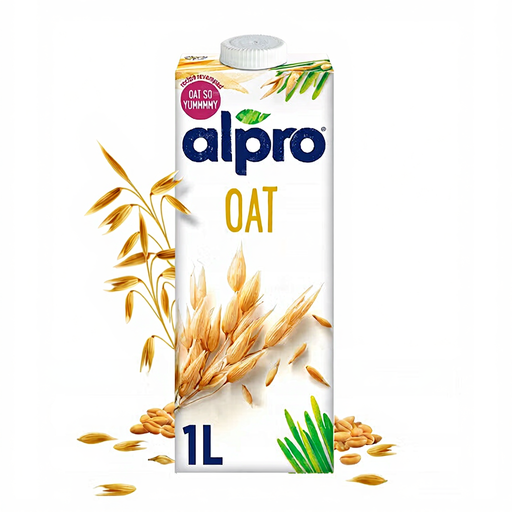 Image unavailable
A 1 L oat drink to consider for everyday use or recipes; check the carton to see whether it’s suitable for your hot drink.
The description indicates that it contains gluten. It also distinguishes between no added sugars and the sugars listed in the nutritional information.
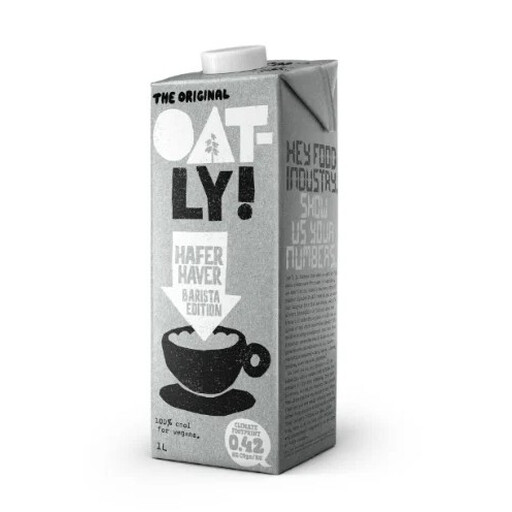 Image unavailable
Worth considering for a latte: Oatly says this 1 L Barista formula is designed to be frothed for hot drinks.
The description indicates that it contains gluten from oats, so the Barista use recommendation doesn’t make it suitable if you need to avoid gluten strictly.
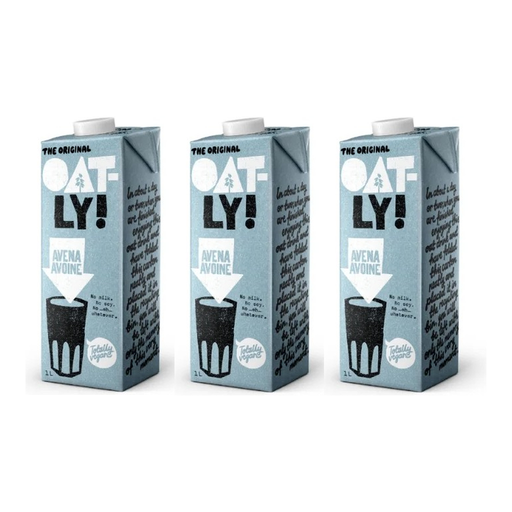 Image unavailable
Worth considering if you regularly use oat drink in coffee or tea; the pack contains three 1 L cartons.
The description indicates that it contains gluten. If you don’t use much oat drink, check the storage instructions after opening before choosing this multipack.
No: oats, or labels such as “plant-based”, “organic” or “lactose-free”, aren’t enough to establish that a drink is gluten-free. If you need to avoid gluten, look for an explicit “gluten-free” statement on the carton you buy.
A Barista formula is worth considering if foam is your priority. Oatly says its Barista Edition can be frothed and used in coffee, tea or hot chocolate; check the ingredients and any dietary requirements that apply to you separately.
No: a drink with no added sugars can still contain sugars. Check the exact claim and the “sugars” line in the nutritional information per 100 ml before comparing two cartons.
Check the ingredients and claims for the specific product you’re buying. Don’t assume it meets a dietary requirement just because it’s described as a “plant-based drink”. The DGCCRF reminds food businesses that allergenic ingredients must be emphasised on food labels.
Follow the storage temperature and time printed on your carton, as these vary by product. If you rarely make hot drinks, bear this in mind before choosing a large pack or a multipack.