People heading out without a cool bag
If you’re shopping before heading to the park, check whether the unopened carton can be carried at room temperature. Also think about what you’ll do with any leftovers after opening.


For a picnic without a cool bag, choose an oat drink whose packaging says it can be stored at room temperature before opening; a product from the chilled aisle needs to stay refrigerated. Then compare the ingredients and nutrition information depending on whether you want to drink it on its own or make a latte. Once opened, follow the storage instructions on the carton.
If you’re shopping before heading to the park, check whether the unopened carton can be carried at room temperature. Also think about what you’ll do with any leftovers after opening.
For a chilled drink served on its own, the flavour you’re looking for, the ‘of which sugars’ line, the ingredients and any added nutrients matter more than whether the recipe is designed for barista use.
If you’re planning to make a latte with coffee or tea while you’re there, it’s worth comparing a product intended for that use with plain oat drinks.
Start by checking the storage conditions for your journey, then choose a recipe based on how you’ll serve the drink in the park.
| What to consider | What to check | Who is it for? |
|---|---|---|
| Transport and storage | The storage instructions before opening, and what to do once the carton has been opened. | I’m heading out without a cool bag and want to carry an unopened carton without compromising its storage conditions. Around 36% of consumers would make this their top priority. |
| Flavour and sugars | The wording on the product you choose and the ‘of which sugars’ figure per 100 ml. | I want a flavour I enjoy and to understand what the label says about sugars when drinking it chilled and on its own. This would be the top priority for around 29% of consumers. |
| Ingredients and added nutrients | The ingredients list, followed by the nutrients shown if added nutrients matter to you. | I’d rather choose between a short ingredients list and a recipe that clearly lists its added nutrients. Around 21% of consumers would prioritise this. |
| Barista use | Whether the product is intended for coffee or tea lattes, and its ingredients. | If I’m making a latte in the park, I’m looking for a drink designed for that rather than a recipe chosen to be enjoyed on its own. Around 14% of consumers would put this first. |
Whether you can carry a carton at room temperature depends on the product, and only applies before opening if the packaging says so.
If you’re without a cool bag, check the storage instructions before buying. After opening, follow the guidance for storing what’s left in the carton too.
A drink labelled ‘no added sugars’ may still list sugars in its nutrition information.
Compare the ‘of which sugars’ figure per 100 ml and the ingredients list for each product you’re considering.
A recipe designed for lattes is intended for a different use. That alone doesn’t make it a better choice than a plain recipe for drinking chilled.
If you’re not making coffee in the park, compare the flavour you’re looking for, the ingredients and the storage instructions instead.
These words don’t tell you how to transport the oat drink or what it contains.
Check the packaging for the details that matter: storage, ingredients, nutrition information and intended use.
The range includes oat drinks to enjoy on their own, as well as Barista products designed for coffee.
An oat drink sold by Auchan is listed as being enriched with calcium and vitamins.
An organic product may appeal if you’re looking to compare options with a short ingredients list.
The organic product featured by E.Leclerc is a UHT oat drink labelled ‘no added sugars’.
Its Barista oat drink is designed for coffee and tea lattes.
These products include plain and flavoured oat drinks, as well as a Barista option. For a picnic, first choose based on how you’ll serve them, then check the storage instructions on each pack.
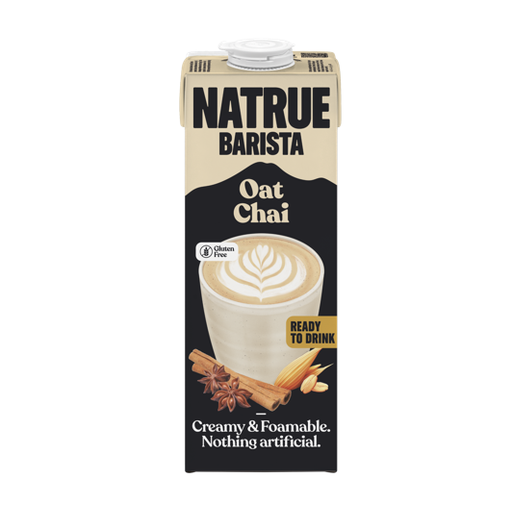 Image unavailable
Worth considering if you’d prefer a chai latte-flavoured oat drink for your picnic rather than a plain option.
1 L pack. Check the carton for transport and storage instructions after opening.
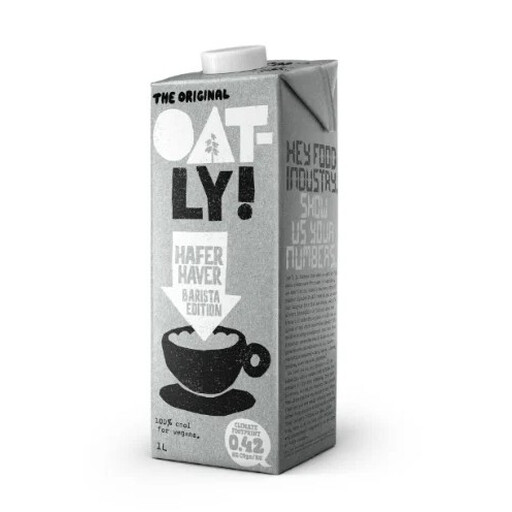 Image unavailable
Worth comparing if you’re planning to make a latte while you’re there; it’s not clear whether this formula is a good choice to drink chilled on its own.
1 L pack. Check the label for ingredients, allergens and storage instructions after opening.
 Image unavailable
This multipack may suit you if you want to have several cartons ready before heading out; carrying all three takes up more room than taking just one.
Three 1 L cartons. Check the storage instructions on each one before setting off without a cool bag.
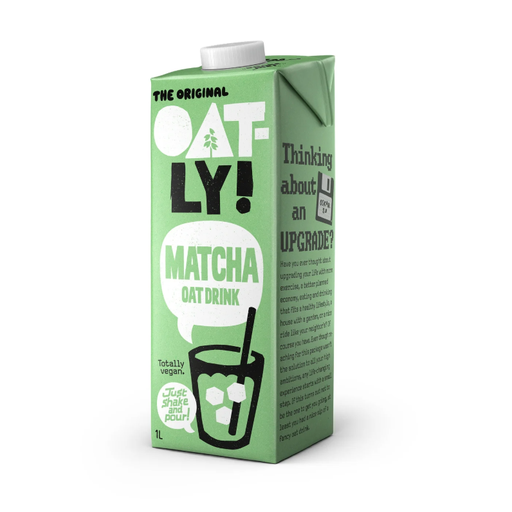 Image unavailable
Worth considering if you’re looking for a matcha oat drink rather than a plain one.
1 L pack. If the amount of sugars or caffeine matters to you, check the information for this variant before taking it with you.
 Image unavailable
Worth comparing if your priority is the ingredients in an oat drink to have on its own; check what ‘0 %’ refers to on the packaging.
1 L pack. Before travelling without a cool bag, check the storage instructions on the carton.
Yes, before opening, if the packaging for the product you choose says it can be stored at room temperature. Oatly France distinguishes its long-life drinks from products that need to stay refrigerated, so check the instructions on your carton before you set off.
Follow the refrigeration instructions and the time limit after opening shown on the carton. If you can’t store the rest as directed, bear that in mind before opening it. Auchan’s listings for the Alpro and Auchan Barista products mentioned here say to refrigerate them and consume them within 5 days of opening.
No. The Bio Village drink featured by E.Leclerc is labelled ‘no added sugars’ but still lists 5.0 g of sugars per 100 ml. To compare two cartons, check the ‘of which sugars’ line in their nutrition information.
No. Anses states that standard plant-based or animal-based drinks cannot replace breast milk or first- and second-stage infant formula.