What should you look for first?
Start with the reason for your purchase, then compare drinks on the same basis: per 100 ml. If weight loss or a reduced appetite is a concern, ask a healthcare professional for advice rather than trying to make up for it with a drink alone.
| Criteria |
What to check |
Who it matters to |
| Calcium and vitamin D |
Compare the amounts stated per 100 ml and check which nutrients have been added to the product you are considering. |
If I plan to serve this drink regularly, I want to know its stated nutritional values rather than rely on the word “plant-based”. For around 33% of consumers, this would be the main deciding factor. |
| Protein and inadequate nutrition |
Check the protein per 100 ml and the ingredients, particularly if the recipe also contains soya. If there is weight loss or a poor appetite, seek medical or dietetic advice. |
When meals are becoming less balanced, I want to understand what the drink provides without treating it as the sole solution. Protein or this difficulty with eating would be the main priority for around 33% of consumers. |
| Sugars |
Compare the “of which sugars” line per 100 ml; distinguish between “sugar-free” and “no added sugars”. |
If I drink it often, I want to know the stated amount of sugars, even if no sugar has been added. Around 20% of consumers would put this comparison first. |
| Allergens and storage |
Check the allergens and ingredients on the specific carton, then read the instructions for after opening. |
If the ingredients need to meet a dietary requirement or the carton will be used slowly, I check that it is suitable and how to store it. This would be the main concern for around 14% of consumers. |
Oat drinks available on Joybuy
This selection includes standard oat drinks and Barista versions designed for coffee. If you’re buying for an older adult, compare the labels against the person’s needs. Don’t assume that the Barista label means a nutritional benefit.
 Image unavailable
OATLY Oat Drink 1 L, pack of 3
This pack of three cartons is a good option if you plan to drink oat drink regularly. Check the nutritional values, allergens and instructions for after opening on the cartons you receive.
View on Joybuy
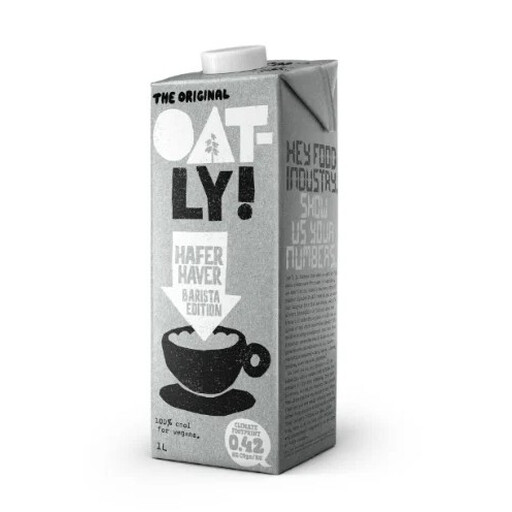 Image unavailable
OATLY Barista Oat Drink 1 L
This Barista version is designed for people looking for an oat drink to use in coffee. If calcium, sugars or protein also matter to you, compare the nutritional values for this specific version.
View on Joybuy
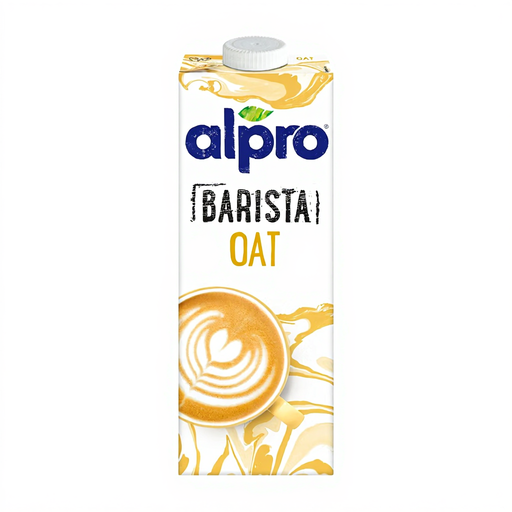 Image unavailable
Alpro Oat Barista 1 L
This Barista version is worth considering if you plan to use it in coffee. If calcium content is important, check the value on this product’s packaging rather than using the figure for another Alpro drink.
View on Joybuy
 Image unavailable
NATRUE Oat Drink 0% 1 Liter
For this oat drink, check exactly what “0%” refers to on the packaging. Before choosing it, also read the nutritional values, allergens and storage instructions on the carton.
View on Joybuy
Frequently asked questions
Can oat drink replace meals for an older adult?
No. Oat drink on its own is not a substitute for a balanced diet. Manger Bouger notes that nutritional needs do not necessarily decrease with age; if the person is eating less or losing weight, seek medical or dietetic advice.
When should you seek advice rather than change drinks?
Unintentional weight loss is a reason to speak to a healthcare professional. Manger Bouger recommends contacting a doctor if someone loses 2 kg in one month or 4 kg in six months. Don’t wait for a change of drink to resolve the issue.
Does “no added sugars” mean 0 g of sugars?
No. The Bio Village oat drink listed by E.Leclerc carries this claim but still states 5.0 g of sugars per 100 ml. Compare the “of which sugars” line on the products you’re considering.
Are all oat drinks automatically gluten-free or soya-free?
No, it depends on the product. A Carrefour listing for an oat and calcium drink names gluten as an allergen, while a Bjorg oat and protein drink contains soya. If you have an allergy or medical dietary restriction, check the label on the product you buy and, if needed, ask a healthcare professional for advice.
How long can you keep a carton after opening?
Follow the time limit and storage instructions on the carton you buy. The listings reviewed say that some Alpro and Auchan products should be kept in the fridge for five days after opening, compared with four days for one Bjorg product. These time limits don’t apply to all oat drinks.


