Runners who plan their meals
For porridge, cereal or a smoothie before a race, the carbohydrate content on the carton is more useful to compare than the words ‘no added sugars’ alone.


For breakfasts and training snacks, choose an oat drink based on how you plan to use it, and check the carbohydrate content per 100 ml as well as per serving. An enriched version meets a different need from a barista version, which is designed for coffee and frothing. During a marathon, neither of these features can replace a suitable supply of carbohydrates and fluids that you have tested in training.
For porridge, cereal or a smoothie before a race, the carbohydrate content on the carton is more useful to compare than the words ‘no added sugars’ alone.
If you drink plant-based alternatives regularly, check the exact product: added calcium and vitamins vary between ranges.
A barista version may offer the texture you want for coffee or recipes, but that doesn’t tell you whether it’s suitable for race-day fuelling.
When choosing an oat drink for marathon training, start with how you plan to use it — with meals, as a regular drink or in coffee — then compare the information for the specific product you’re buying.
| Criteria | What to check | Who it matters to |
|---|---|---|
| Carbohydrates and volume | Compare the carbohydrate content per 100 ml and per serving. If you plan to use it during exercise, also consider how much you’ll need to carry and how well you tolerate it in training. | If I’m planning meals or race-day fuelling, I want to know what I’ll get from the amount I’ll actually drink. Around 42% of consumers would put this need first. |
| Enrichment | Check the calcium and vitamins listed for the specific product, along with its ingredients. | If I drink a plant-based alternative regularly, I want to compare added nutrients without assuming that all recipes are the same. This would be the top priority for around 33% of consumers. |
| Use and pack size | Check whether the drink is intended for coffee or recipes, the carton size and the storage instructions after opening. | If I mainly make coffee or recipes, texture and ease of use matter more to me. Around 25% of consumers would make this their priority. |
These statements don’t mean the same thing. E.Leclerc’s Bio Village product information lists 7.2 g of carbohydrates and 5.0 g of sugars per 100 ml for its no-added-sugar oat drink.
Compare the carbohydrate and sugar content per 100 ml, then work out how much is in the serving you plan to use.
Oatly and Auchan describe the barista versions mentioned here as being for coffee, frothing or recipes. That intended use doesn’t tell you how much to drink or whether you’ll tolerate it during a marathon.
Choose a barista version if that’s what you need it for. Before using any drink during a race, check its ingredients and practise your fuelling plan in training.
A 1 L oat drink presented as an option for everyday use.
A range that includes a plain oat drink and a Barista Edition.
A choice of different oat drinks, including Sensation and Bio.
A 1 L organic oat drink for breakfast and cooking.
A 1 L Barista oat drink designed for hot drinks, among other uses.
An organic oat drink sold by Lidl in a pack of 8 x 1 L cartons.
These products cover breakfast, cooking and coffee uses during your training. Choose one based on how you plan to use it and the information on the carton. Don’t treat it as a race-fuelling drink.
 Image unavailable
An option to consider with cereal or in coffee while you’re training. The listed size is 1 L. Check what ‘0%’ refers to on the packaging, as well as the carbohydrate content per serving.
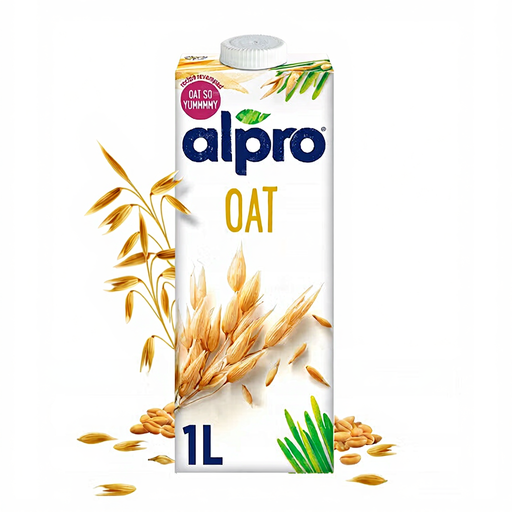 Image unavailable
Worth considering for breakfast or a recipe made with oat drink. The listed size is 1 L. Check the enrichment and carbohydrate content for this specific product on its label.
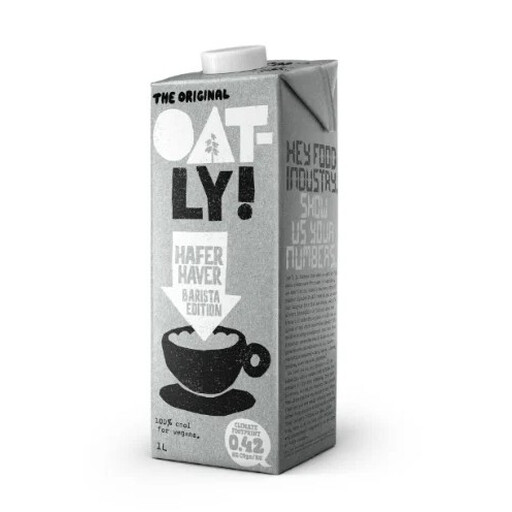 Image unavailable
A 1 L option to consider if you mainly make coffee or frothy drinks. The Barista name doesn’t mean you can skip checking the carbohydrate content and storage instructions after opening.
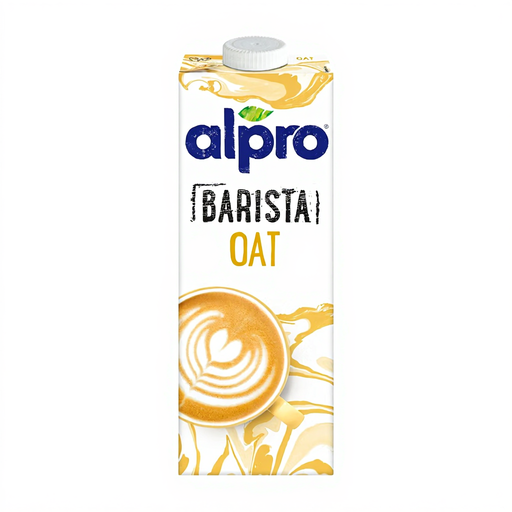 Image unavailable
Worth comparing for lattes or frothy drinks during training. This Barista version comes in a 1 L carton. Check the nutritional information for this specific product before working out your serving size.
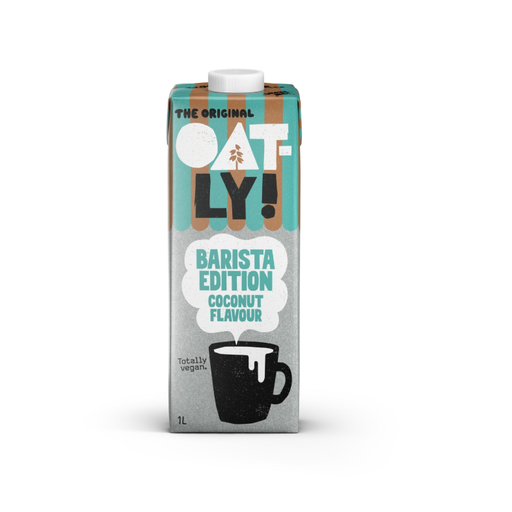 Image unavailable
This coconut-flavoured option could work in a smoothie, porridge or coffee. It comes in a 1 L carton. Check the sugar and carbohydrate content for this flavour rather than relying on the figures for a plain version.
No, not on its own or as a matter of course. Fuelling strategies described in the International Journal of Sport Nutrition and Exercise Metabolism take account of carbohydrate intake, fluids and individual tolerance. Check the ingredients and the amount you’d need before including an oat drink in a fuelling plan you’ve tested in training.
No. For example, E.Leclerc lists 7.2 g of carbohydrates and 5.0 g of sugars per 100 ml on the product page for its Bio Village oat drink with no added sugars. Check both figures for the product and serving size you choose.
Compare their ingredients, carbohydrate and sugar content per 100 ml, any added nutrients and storage instructions. If allergens matter to you, look for them in the ingredients list: the DGCCRF states that they must be clearly highlighted.
Follow the instructions on the carton, as they can vary by product. For its 1 L Barista oat drink, Auchan says to refrigerate it at between 0 °C and +6 °C after opening and use it within 5 days.