People who plan their meals around training
You pour oat drink over porridge or cereal and want to understand how that portion fits into your meal as a whole. The IRBMS points out that a marathon runner’s energy intake isn’t down to a single food.


When preparing for a marathon, choose an oat drink as part of a meal or snack you’ve already tried during training, rather than relying on it as fuel on its own. Compare the carbohydrates and sugars in the portion you’ll have, then check whether it’s fortified and whether that suits your needs. A “sugar-free” claim or a fortified recipe is no substitute for looking at the meal as a whole.
You pour oat drink over porridge or cereal and want to understand how that portion fits into your meal as a whole. The IRBMS points out that a marathon runner’s energy intake isn’t down to a single food.
You want to understand the difference between “sugar-free” and “no added sugars”, check the carbohydrate content and see whether your chosen variety lists calcium or vitamins.
You’re looking for an ingredient list and pack size that suit your routine, while checking storage instructions and whether the product is available at your local shop.
Start with the meal you plan to have around your training, then check the drink’s nutritional information and the details for that particular variety. The percentages below refer to the share of consumers who would put each need first when making this choice.
| Criteria | What to check | Who is this for? |
|---|---|---|
| Its place in your meal | Compare the carbohydrates per 100 ml and per planned serving. Consider the other foods in your meal and try out your routine during training. | If I’m preparing breakfast before a long run, I want to know what the drink adds to the meal without relying on it alone. Around 50% of consumers would prioritise this balance in their meal. |
| Sugars and fortification | Check “carbohydrates”, “of which sugars” and any added calcium or vitamins listed for the specific variety. | If I choose a “sugar-free” or fortified version, I want to understand what’s in it rather than rely on the front of the carton. Around 30% of consumers would prioritise checking the label. |
| Pack size and local availability | Check the pack size, availability at your local shop and storage instructions before and after opening. | For regular use, I need a pack size that’s easy to store and find again. Around 20% of consumers would put these practical considerations first. |
According to Anses, carbohydrates include sugars and starches, among other things. So a claim on the front of the pack doesn’t, by itself, tell you the drink’s carbohydrate content or how it fits into a training meal.
Compare the “carbohydrates” and “of which sugars” lines per 100 ml, then work out how they relate to the serving you plan to drink.
Fortification varies by product: Oatly offers fortified varieties, while the details published by retailers apply to specific recipes.
If fortification matters to you, read the nutritional information on the exact carton you’re buying, rather than relying on details for another variety in the range.
E.Leclerc advises customers to check local availability of its Bio Village product. A larger pack size also won’t necessarily suit everyone’s consumption habits.
Check the pack size available at your local shop and the product’s storage instructions before changing your usual shopping habits.
These products offer examples of ingredients and pack sizes you can compare. The details for one variety don’t necessarily apply to the whole brand.
Oatly offers an original fortified oat drink, a No Sugars version and varieties designed for uses such as coffee.
Auchan France lists an Alpro No Sugars oat drink.
E.Leclerc describes a Bio Village organic UHT oat drink whose ingredients can be compared with those of other recipes.
Lidl France has listed Vemondo organic oat drink in a pack of 8 × 1 L.
This selection includes plain oat drinks and flavoured varieties to enjoy with a meal or as an everyday drink around your training. Their inclusion here doesn’t mean that a carton can replace everything you need to eat and drink as part of your marathon plan.
 Image unavailable
Worth considering with a cereal-based meal if you want to compare the sugars and carbohydrates in the drink.
Listed pack size: 1 L. Check the label to see what “0%” refers to, and remember to check the “carbohydrates” line too.
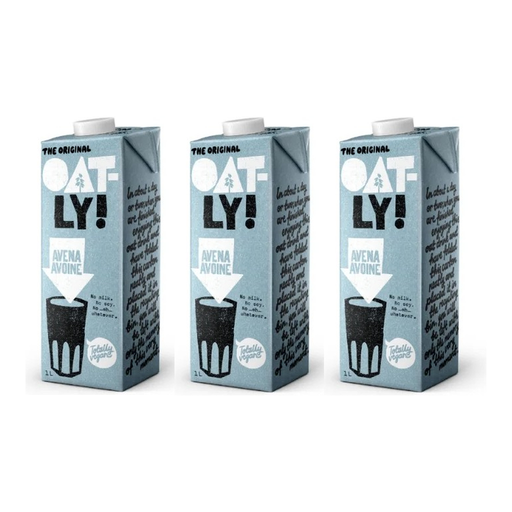 Image unavailable
Worth considering if you regularly have oat drink at breakfast or use it in recipes.
Listed pack size: three 1 L cartons. If fortification is important to you, check the nutritional information for this specific multipack.
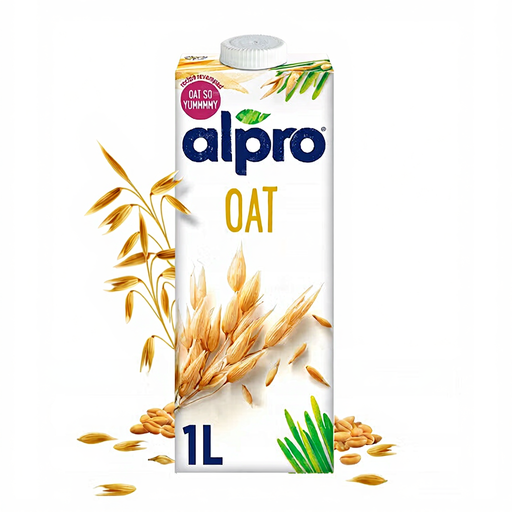 Image unavailable
An option to compare for serving with cereal or using in a recipe around your training.
Listed pack size: 1 L. Check the carbohydrates, sugars and any added nutrients in this variety. Don’t assume it has the same qualities as another Alpro drink.
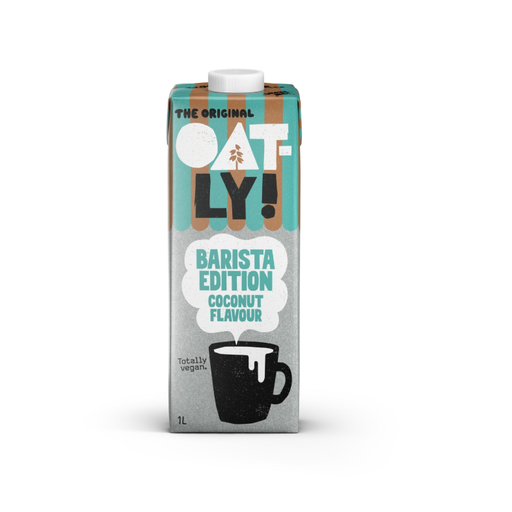 Image unavailable
Worth considering if you’re looking for a coconut-flavoured variety to use in a drink or breakfast recipe.
Listed pack size: 1 L. “Barista” describes a culinary use, not a particular benefit for marathon preparation. Check the ingredients if you’re serving it with a meal.
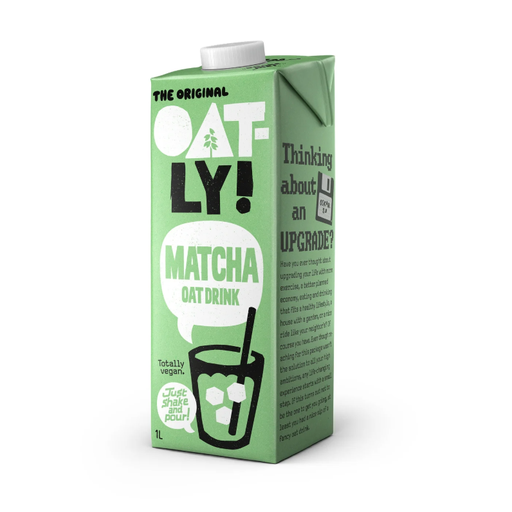 Image unavailable
This matcha variety is more of a flavoured drink than a plain oat base to have with a meal.
Listed pack size: 1 L. If you plan to have it around a training session, check its ingredients, particularly the sugars and caffeine, and stick to routines you’ve already tried.
No. It can be part of a meal or snack, but it isn’t a marathon fuelling and hydration plan on its own. The IRBMS considers energy intake as part of your overall preparation. To assess a drink, look at the portion you’ll have and the other foods in your meal.
No. Anses distinguishes sugars from other carbohydrates, including starches. So check the “carbohydrates” and “of which sugars” figures in the nutritional information for your chosen variety, first per 100 ml and then for your serving.
No, fortification depends on the recipe. Oatly lists calcium, iodine and vitamins in its original version, while Auchan’s product page for Alpro No Sugars Oat describes different additions. Always check the exact carton if this is an important factor in your choice.
Follow the instructions for the product you’ve bought, both before and after opening. Oatly distinguishes between cartons that can be stored at room temperature and products sold in the chilled aisle, while E.Leclerc’s Bio Village product page says to store it in a dry place before opening.