People avoiding certain ingredients
If you need to avoid milk, soya or gluten, check the specific product rather than relying on the words ‘plant-based’ or ‘oat’. The ingredients and information on the packaging are what matter.


First, choose an oat drink whose label meets your dietary requirements: the word ‘plant-based’ doesn’t guarantee it’s soya-free or labelled ‘gluten-free’. For your regular shop, compare the pack size, ingredients and nutritional information. A barista-style option is worth considering if you make coffee drinks and are happy to check for any additional ingredients.
If you need to avoid milk, soya or gluten, check the specific product rather than relying on the words ‘plant-based’ or ‘oat’. The ingredients and information on the packaging are what matter.
For a drink you’ll use at breakfast or in cooking, check the carton size, ingredients and whether it says ‘no added sugars’. Make sure the pack size suits how often you’ll use it, too.
If you make lattes or cappuccinos, a barista-style option may suit your needs. Do check the ingredients, though: recipes vary between products, particularly when it comes to soya or pea protein.
Start with any ingredients you need to avoid, then compare the ingredients and pack size to suit how you usually use it.
| What to consider | What to check | Who is it for? |
|---|---|---|
| Allergens and gluten | Read the ingredients and allergen declaration, and check whether the carton carries a ‘gluten-free’ label if needed. | If I need to avoid milk, soya or gluten, a general ‘plant-based’ label isn’t enough. Around 33% of consumers rank checking these exclusions as their top priority. |
| Pack size and availability | Compare the volume and pack format, then check that the product suits how often you shop. | For my regular shop, I want a pack size my household can use without leaving cartons open for too long. This is the top priority for around 27% of consumers. |
| Sugars and ingredients | Know the difference between ‘no added sugars’ and ‘sugar-free’; compare the ingredients and the ‘of which sugars’ figure per 100 ml. | For everyday use, I’d rather know what’s in the carton than rely on the claim on the front. Around 27% of consumers prioritise ingredients and added sugars. |
| Coffee use | Look for a barista-style label and check the ingredients in that particular product. | When I make a cappuccino, I look for a drink designed for that purpose, even if it contains more ingredients. Coffee suitability comes first for around 13% of consumers. |
In the European Union, Commission Implementing Regulation (EU) No 828/2014 sets specific conditions for oats used in food labelled ‘gluten-free’. These include preventing contamination with wheat, rye or barley and ensuring the gluten content does not exceed 20 mg/kg. The words ‘oat drink’ do not mean that it is gluten-free.
If you need to avoid gluten strictly, look for a ‘gluten-free’ label on the product you buy and check the packaging every time.
‘No added sugars’ doesn’t mean the drink contains no sugars: naturally occurring sugars may still be present.
To compare two cartons, check their nutritional information on the same basis, particularly the ‘of which sugars’ figure per 100 ml.
The Auchan Barista drink described by the retailer contains pea protein and potassium phosphate. Carrefour also lists Alpro Barista products made with oats and soya: the word ‘barista’ alone doesn’t tell you which ingredients to avoid.
Choose this type of drink if it suits the way you make coffee, then check the ingredients of the specific product.
An organic option to consider if you’re looking for an oat drink with a short ingredients list.
An organic, unflavoured carton to consider if ingredients and a ‘no added sugars’ label guide your choice.
The range includes oat drinks for different uses, including coffee.
Alpro offers several oat drinks, including everyday and barista-style options.
Auchan Barista oat drink is aimed at people looking for a product designed for coffee.
Lidl has sold an organic oat drink under its Vemondo brand.
These options include pack sizes for everyday use and barista-style varieties. First choose based on your dietary requirements and how you’ll use the drink, then check the information on the carton you receive.
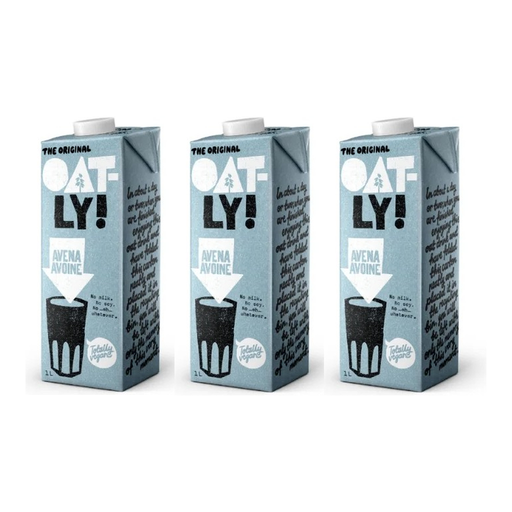 Image unavailable
This pack of three 1 L cartons may suit regular use. If you avoid milk, soya or gluten, check the information on each carton of this specific product.
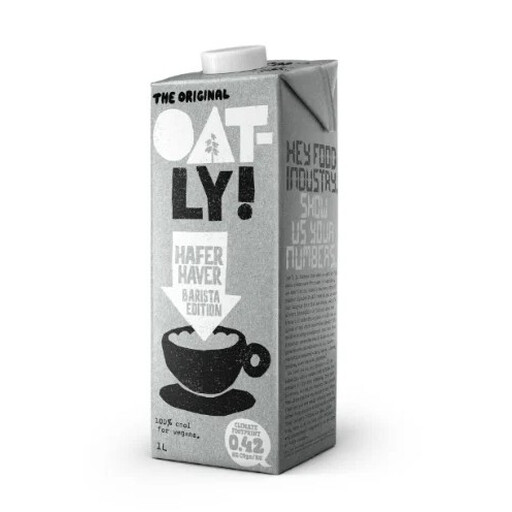 Image unavailable
This 1 L barista-style option is worth considering for coffee drinks. Oatly says its Barista Edition contains no dairy or soya; check the label on the product you buy and look separately for a ‘gluten-free’ label if needed.
 Image unavailable
For a 1 L oat drink for everyday use, check what ‘0%’ means on the carton, along with the nutritional information. If you avoid gluten, soya or nuts, read the allergen declaration too.
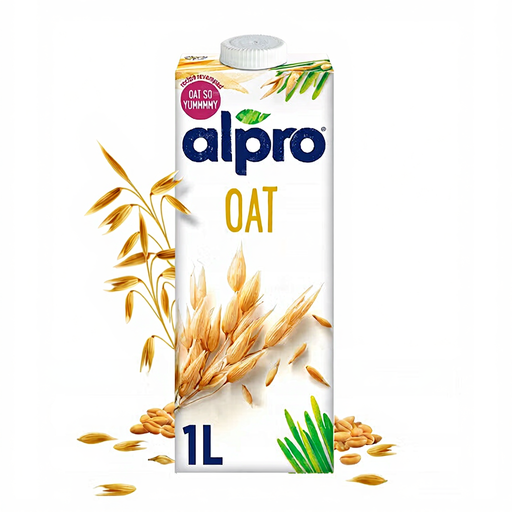 Image unavailable
This 1 L oat drink may suit everyday use. If the ingredients or a dietary requirement are important to your choice, check the ingredients, sugars and allergen declaration for this specific product rather than relying on the range name.
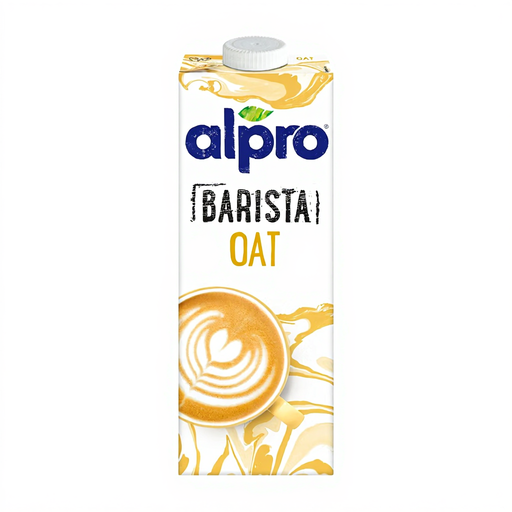 Image unavailable
This 1 L barista-style option is made for coffee. Alpro Barista products vary in composition, so check the carton you choose for soya and gluten information.
No. If you need to avoid gluten strictly, check that the product is explicitly labelled ‘gluten-free’. In the European Union, Commission Implementing Regulation (EU) No 828/2014 requires, among other things, that oats in food labelled this way are produced, prepared or processed to prevent contamination with wheat, rye or barley, and that the gluten content does not exceed 20 mg/kg.
No. A drink labelled ‘no added sugars’ may still contain naturally occurring sugars. When comparing products, also check the ‘of which sugars’ figure in the nutritional information per 100 ml.
No. Check the ingredients and allergen declaration for each product. Oatly says its Barista Edition contains no dairy or soya, while Carrefour lists Alpro Barista drinks made with oats and soya. Neither statement applies to an entire brand’s range.
Follow the instructions on the carton you buy, as they vary by product. For the Auchan Barista oat drink described here, Auchan recommends storing it between 0 °C and +6 °C and consuming it within five days of opening.