People looking for a dairy-free drink for everyday use
For cereal, cold drinks or cooking, check the ingredients and allergen information for the product you buy to make sure it contains no dairy.


When choosing an oat drink for cereal or cooking, start by comparing the ingredients, allergen information and nutritional details for the specific product. If you mainly make lattes, a barista version is designed for a different purpose. In either case, check the sugar information and storage instructions after opening before you choose.
For cereal, cold drinks or cooking, check the ingredients and allergen information for the product you buy to make sure it contains no dairy.
If you make lattes or cappuccinos, barista versions are worth comparing separately from drinks designed for everyday use.
Compare the sugar information, ingredients, organic status and any added calcium or vitamins. These features vary from one product to another.
When shopping locally, start with how you plan to use the drink, then compare the exact recipe and pack size you can use in line with the instructions on the carton.
| What to consider | What to check | Who it matters to |
|---|---|---|
| Dairy-free | Check the ingredients and allergen information on the specific carton rather than relying on the word ‘plant-based’ alone. | For cereal or cooking, I want to be able to choose a recipe that fits my dairy-free diet. Around 33% of consumers make this an everyday priority. |
| Sugars and ingredients | Compare the sugar information, nutritional details per 100 ml and any added calcium or vitamins. | I want to know what the drink contains before choosing between two oat recipes. This is a priority for around 25% of consumers. |
| Use in coffee | Look for products designed for hot drinks, then compare their ingredients with those of a non-barista version. | When I make a latte, a formula designed for coffee matters more to me than a recipe intended mainly for cereal. Around 25% of consumers prioritise this use. |
| Pack size and local availability | Check the number of cartons, their capacity and the storage instructions after opening. | I want to find a pack size at my usual shop that I can use while following its storage instructions. Around 17% of consumers prioritise this convenience. |
A drink’s lack of milk tells you nothing about its gluten content. For example, the Joybuy product listing for an Alpro oat drink identifies oats as an allergen.
Check the ingredients and allergen information separately, and look for a ‘gluten-free’ claim on the exact product packaging if this is important to you.
Oatly markets its Barista Edition for coffee and says its recipe, including an acidity regulator, gives it the stated performance in hot drinks. This is the manufacturer’s description and does not apply to all oat drinks.
Choose according to how you plan to use it, then compare the ingredients of the versions you’re considering.
Anses states that everyday drinks of plant or animal origin are not suitable for children under one and cannot replace breast milk or infant formula.
If your baby has specific dietary needs, ask a healthcare professional for advice.
Its 1 L carton of oat drink is one everyday option worth comparing.
The range includes No Sugars, for a variety of uses, and Barista Edition, which is designed for coffee.
This E.Leclerc brand offers an organic oat drink in a 1 L carton.
A 1 L organic oat drink that Auchan describes as suitable for hot or cold drinks and cooking.
Lidl’s plant-based brand is one option to compare when looking for an organic oat drink.
This Alpro and Oatly selection includes drinks for everyday use and barista versions for coffee. Compare the options and pack sizes before choosing.
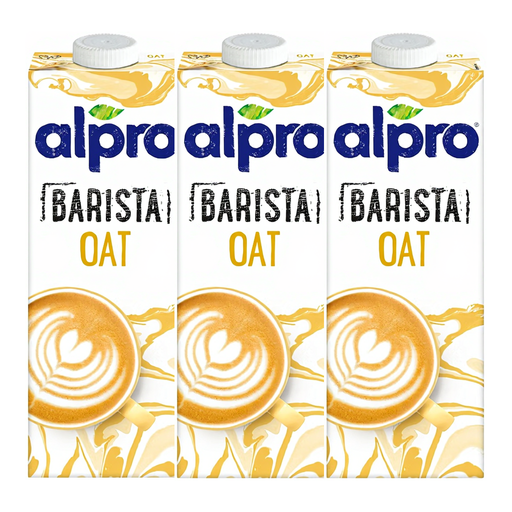 Image unavailable
A barista formula to consider if you mainly make coffee drinks. The pack contains three 1 L cartons. If you need to avoid gluten, check the label for this version.
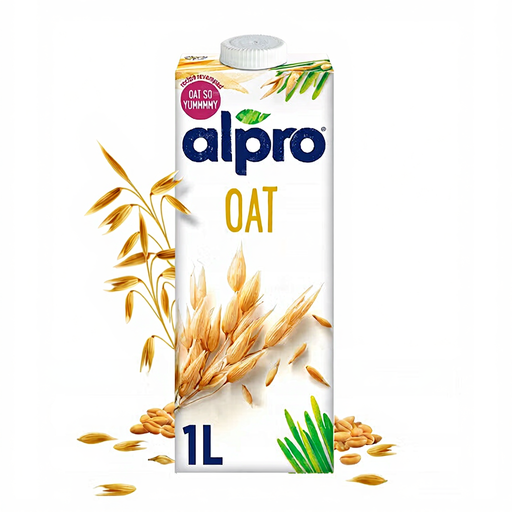 Image unavailable
Worth comparing for cereal, drinks or cooking. The carton contains 1 L; check the label for allergen information and instructions for use after opening.
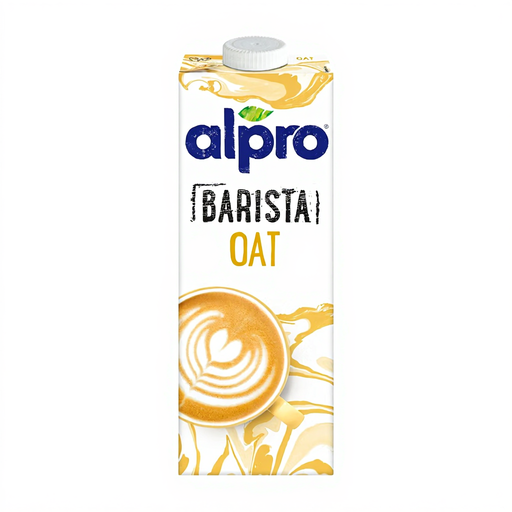 Image unavailable
A single carton for barista-style drinks. For frothing, the instructions for this product recommend not heating it above 65 °C. Also follow the storage instructions on the carton.
Image unavailable
Worth considering if you regularly use oat drink with cereal or in recipes. The pack contains three 1 L cartons. Check their labels for sugar and allergen information.
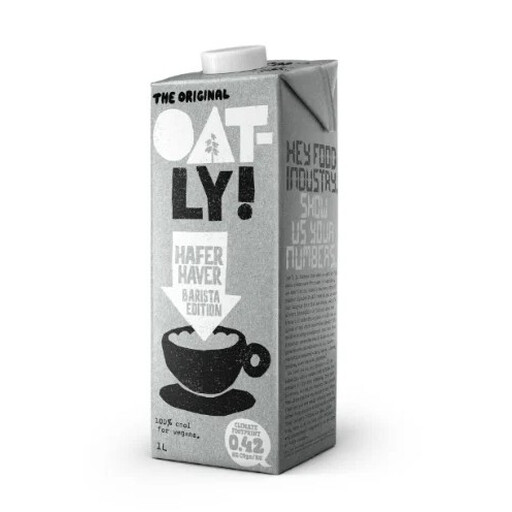 Image unavailable
A 1 L formula designed for coffee and lattes. If the ingredients or sugar content will affect your choice, compare this version’s label with that of a non-barista drink.
Don’t assume this is true of every product: check the ingredients and allergen information on the carton you choose. In France, the DGCCRF reminds consumers that allergenic ingredients must be highlighted on the labels of prepacked foods.
No. They are two separate criteria. If you’re looking for a gluten-free drink, check the claim on the specific product. Under European Regulation 828/2014, ‘gluten-free’ may only be used for foods containing no more than 20 mg/kg of gluten.
No, not for a child under one year old. Anses states that everyday drinks, whether plant- or animal-based, are not suitable for infants and cannot replace breast milk or infant formula.
Follow the instructions on the carton you buy, as storage times vary between products. For the Auchan Bio drink mentioned here, Auchan recommends keeping it in the fridge for five days after opening. Its listing gives four days for the Bjorg product.
No. Fortification depends on the specific recipe. Carrefour’s listing for an Alpro product states that it contains calcium and vitamins B2 and D2, while Auchan’s published ingredients for its Auchan Bio product list water, oats, sunflower oil and sea salt.