People who need to avoid gluten strictly
The priority is to find the words ‘gluten-free’ on the exact product you’re buying. The fact that a drink is plant-based, or labelled ‘lactose-free’, is not enough to confirm this.


When shopping for someone who’s retired, first choose an oat drink that meets any essential dietary requirement: ‘lactose-free’ or ‘no added sugars’ does not mean ‘gluten-free’. If they drink it regularly, compare the nutrition information per 100 ml and the ingredients too. A short ingredient list and a drink fortified with calcium and vitamins may not meet the same needs.
The priority is to find the words ‘gluten-free’ on the exact product you’re buying. The fact that a drink is plant-based, or labelled ‘lactose-free’, is not enough to confirm this.
If they drink oat drink regularly, they can compare fortified and unfortified versions, particularly for calcium, vitamins and protein, as part of their overall diet.
They may want to choose based on the ingredients, the ‘no added sugars’ claim or the taste. Check the amount of sugars per 100 ml separately.
When shopping for someone who’s retired, first check for any essential dietary exclusions, then compare fortification and ingredients based on how often they drink it. Anses highlights the importance of calcium for the skeleton in later life; that doesn’t mean all oat drinks are the same.
| Criteria | What to check before buying | Who it matters to |
|---|---|---|
| Gluten and allergens | If gluten must be strictly avoided, look for the words ‘gluten-free’ on the exact product you’re buying. Also read the ingredients and check any allergens highlighted on the label. | If I need to avoid gluten strictly, I can’t rely on the word ‘oat’ or the claim ‘lactose-free’ alone; around 42% of consumers would make avoiding gluten their priority. |
| Fortification | For the size you’re buying, compare calcium, any vitamins listed, protein and salt per 100 ml. | If I regularly drink a milk alternative, I want to know what it adds to my diet rather than assume all recipes are the same; around 33% of consumers would put this comparison first. |
| Sugars and ingredients | Read the ‘of which sugars’ line per 100 ml as well as the ingredients list; ‘no added sugars’ does not mean there is no sugar. | If I’m mainly looking for a less sweet taste or a short ingredient list, I want to choose based on what’s actually in the carton; around 25% of consumers would prioritise this criterion. |
These claims address different needs. If you need to avoid gluten strictly, the fact that a drink is made from oats is not enough to confirm that it’s suitable.
Look for the words ‘gluten-free’ on the packaging of the product you’ve chosen, and check the ingredients and allergens again if the recipe or pack size changes.
A drink labelled ‘no added sugars’ may still show sugars in its nutrition information.
Compare the ‘of which sugars’ line per 100 ml, rather than relying on the claim on the front of the pack.
The ingredients in a short-list organic recipe may differ from those in a drink with added calcium and vitamins. The length of the ingredients list alone doesn’t tell you how their nutritional content compares.
If fortification matters to you, check the ingredients and nutrition information for the exact product.
The Bjorg organic oat drink listed by Auchan is an example of a product that is explicitly labelled ‘gluten-free’.
The Alpro oat drink listed by Carrefour is an example of a recipe with added calcium and vitamins.
Oatly offers, among other products, a No Sugars oat drink and an organic version, each suited to different preferences.
These two Carrefour products offer a choice between a short-list organic recipe and an oat drink with added nutrients.
These oat drinks suit a range of uses, including in coffee or cereal. Before choosing one for someone who needs to avoid certain foods, check the claims and allergens for each variant: similar uses don’t mean the ingredients are the same.
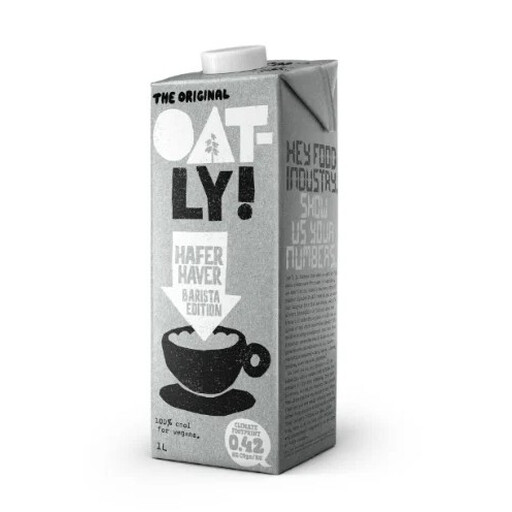 Image unavailable
A Barista version to consider for coffee. If you need to avoid gluten strictly, bear in mind the gluten warning from oats on this product.
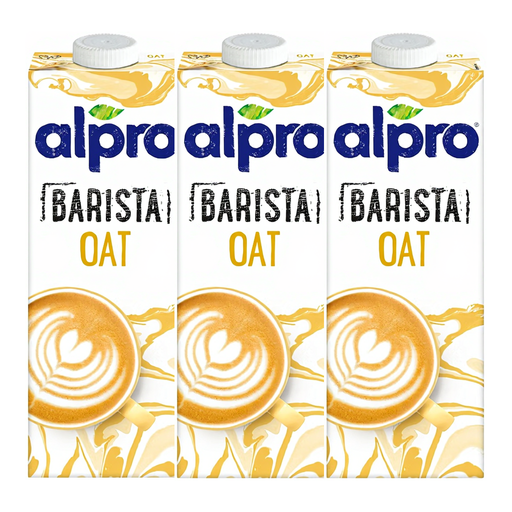 Image unavailable
A pack of three Barista cartons for use in coffee. This product carries a gluten warning from oats; if you need to avoid soya, check the packaging information too.
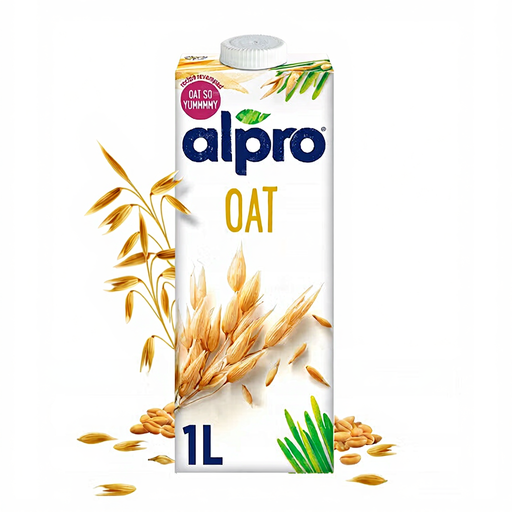 Image unavailable
An oat drink to consider for drinking, cereal or cooking. The product carries a gluten warning from oats; check the label if you also need to avoid soya.
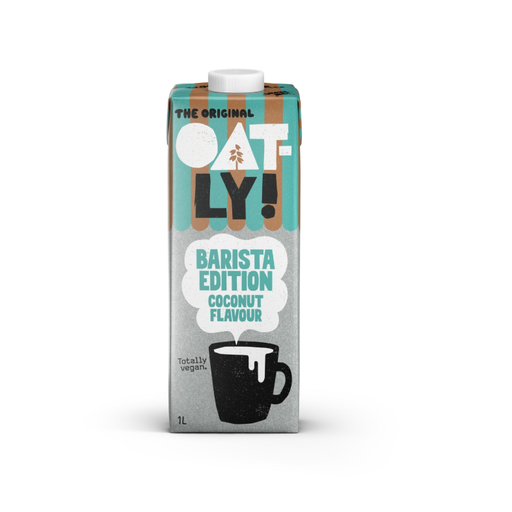 Image unavailable
A coconut-flavoured Barista version for anyone who likes this taste in their drinks. The recipe contains sugar; check the allergens on the packaging if you need to avoid gluten, milk or soya.
 Image unavailable
An option to consider if you prefer a short ingredients list. The product carries a gluten warning from oats and may contain traces of soya or nuts; if fortification matters to you, compare the nutrition information on the packaging.
No. If you need to avoid gluten strictly, look for the words ‘gluten-free’ on the packaging of the exact product you’re buying. The fact that a drink is plant-based or lactose-free doesn’t answer this question.
No. This claim doesn’t mean the sugar content is zero. Read the ‘of which sugars’ line per 100 ml to compare the drinks you’re considering.
Compare their nutrition information on the same per-100 ml basis, then check their ingredients and any claims relevant to your diet. The DGCCRF says that presenting this information per 100 ml makes drinks easier to compare.
No. The right choice depends on how the drink fits into your diet and which criteria you want to compare. If you drink it regularly, check the calcium, vitamins and protein listed for the exact product, but don’t assume that a fortified drink alone can replace a varied diet.