People keeping an eye on fat
Your first priority is comparing the grams of fat per 100 ml. A claim on the front of the carton is no substitute for checking the nutritional value of the exact recipe you’re buying.


If you’re looking for a low-fat oat drink at a local shop, start by comparing the values per 100 ml on the cartons available, then check the sugars and ingredients. A no-sugars version isn’t necessarily the lowest in fat, while a barista version is designed primarily for use in coffee.
Your first priority is comparing the grams of fat per 100 ml. A claim on the front of the carton is no substitute for checking the nutritional value of the exact recipe you’re buying.
Whether it’s for cereal, a drink to enjoy on its own or a recipe, you’re looking for a ‘no sugars’ or ‘no added sugars’ option. Check fat separately, as these claims refer to different things.
Texture in coffee and how well the drink froths are your main priorities. The barista label alone doesn’t tell you how much fat it contains.
When shopping locally, start with the fat content per 100 ml, then compare recipes based on their sugar content and how you plan to use them. If your usual choice isn’t available, make the same comparison with the carton offered as a substitute.
| Criterion | What to check | Who is it for? |
|---|---|---|
| Fat | Compare the ‘fat’ line per 100 ml for each specific recipe. | If my first priority is limiting fat, I want to compare values measured against the same quantity. Around 36% of consumers would put this criterion first. |
| Sugars | Read the ‘of which sugars’ line per 100 ml and distinguish between ‘no sugars’ and ‘no added sugars’. | For my cereal or a drink to enjoy on its own, I might prioritise sugar content without assuming anything about the fat content. Nearly 27% of consumers would make this their priority. |
| Intended use | Check the use recommended for the recipe: cooking, drinking as it is or frothing for coffee. | If I mainly make frothy coffee or use the drink in cooking, how it performs for that purpose guides my choice. Around 19% of consumers would prioritise this suitability. |
| Local availability | Look for the product and pack size available near you, then check the label if you’re choosing a substitute. | When I shop locally, I need to be able to find a recipe that meets my main criterion. Around 18% of consumers would prioritise the option to buy locally. |
A recipe may have both characteristics, but one doesn’t tell you whether it has the other.
Check ‘fat’ and ‘of which sugars’ separately, using the same 100 ml serving size.
Carrefour France product pages list 1.2 g of fat per 100 ml for Carrefour Bio Avoine and 1.8 g for Carrefour Sensation Avoine. So the retailer’s name alone won’t tell you the value for the carton you’ve chosen.
Check the full product name and its nutrition declaration, even if you already know the brand.
Oatly presents its Barista Edition as a drink for coffee and frothing. This intended use doesn’t tell you how much fat it contains.
If froth is your priority, check the nutritional values for the specific version sold in store.
Alpro offers an oat drink intended for cereal and recipes.
No Sugars and Barista Edition are designed for different uses.
Carrefour Bio and Carrefour Sensation include oat drinks with different nutritional values.
The Bio Village range includes a 1 L organic oat drink with no added sugars, as presented by E.Leclerc.
Auchan France product pages let you browse several oat drinks, including Oatly No Sugars.
This Joybuy selection includes plain and flavoured oat drinks, as well as a barista version. Pack size and intended use can help you narrow down your options; to compare fat content, check the nutritional information for each recipe.
 Image unavailable
To compare this oat drink with the options at your local shop, check its nutritional values per 100 ml. Pack size: 1 L; check what the ‘0%’ claim refers to on the packaging before assuming it indicates the fat content.
 Image unavailable
This multipack could be a good choice if you want several cartons of the same oat drink. Check the fat and sugar content of this recipe: the name Oat Drink doesn’t indicate that it’s a no-sugars version.
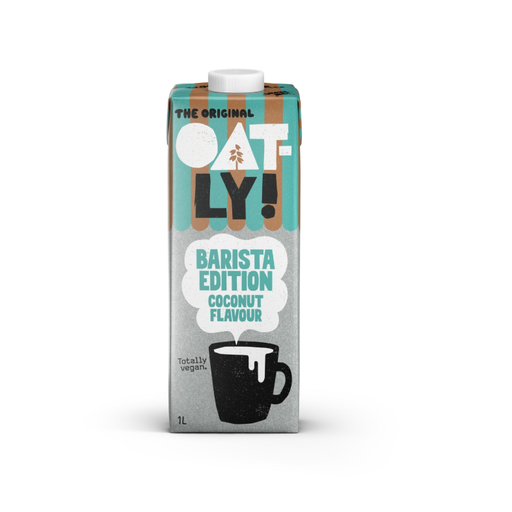 Image unavailable
This coconut-flavoured barista version is intended for coffee rather than as a plain oat drink. The barista label alone isn’t enough to assess its fat content: check the sugars on the nutrition declaration too.
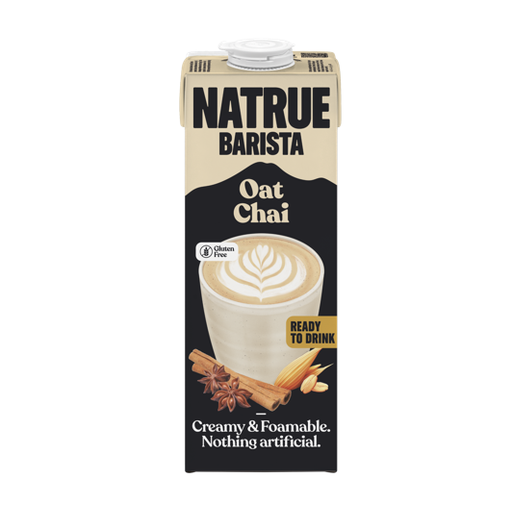 Image unavailable
Choose this version if you’d like a chai-flavoured oat drink rather than a plain recipe. To compare it against your chosen criterion, check the fat and sugars per 100 ml on the label.
No, these are two separate characteristics. Auchan France’s product page for Oatly No Sugars lists both 0 g of sugars and 1.5 g of fat per 100 ml, but you should check both lines for every other recipe.
Compare their nutritional values per 100 ml, starting with fat if that’s your priority. Then check the sugars, ingredients and intended use. Don’t assume that two recipes from the same brand are identical.
Yes, depending on the recipe you choose: Oatly says its No Sugars can replace 10 cl of milk with 10 cl of oat drink in a sweet or savoury recipe. Also consider the flavour and texture you want for your dish.
Follow the instructions on the carton you’ve bought. Auchan France’s product page for Ethiquable organic oat drink says to keep it in the fridge for five days after opening; don’t automatically apply this guidance to other products.