Hosts making a large batch of crêpe batter
A 1 L carton may be a good choice if you’re making batter for several people and want to shop in advance. Check that it’s suitable for cooking, and plan how you’ll use the rest after opening.


For a crêpe night, choose an oat drink labelled as suitable for cooking, and check its ingredients, allergens and storage instructions. An unsweetened version lets you control the sweetness through your toppings. A barista version may also be suitable for baking, but the label alone doesn’t mean it will give you better results when cooking crêpes.
A 1 L carton may be a good choice if you’re making batter for several people and want to shop in advance. Check that it’s suitable for cooking, and plan how you’ll use the rest after opening.
If you’re serving sweet toppings, you could look for a drink labelled ‘no added sugars’. Also check the ‘of which sugars’ line in the nutritional information: the two statements don’t mean the same thing.
Check the allergen declaration for your chosen drink, particularly for oats and gluten. Check the eggs, fats and toppings separately too: the drink’s ingredients alone don’t tell you everything about the recipe.
For a crêpe night, start with how you plan to use the drink and the flavour you want, then compare the ingredients and storage instructions for the exact product. ‘Organic’, ‘no added sugars’ and ‘barista’ refer to different things; none guarantees a particular cooking result.
| Criteria | What to check | Who is this for? |
|---|---|---|
| Cooking suitability and flavour | Look for a statement saying the drink is suitable for cooking or baking. If you want a neutral-tasting batter, check whether it contains flavourings. | If I’m planning several different toppings, I’d rather use a base flavour that won’t dominate every crêpe. Around 37% of consumers put cooking suitability and flavour first. |
| Sugars and ingredients | Compare the ‘no added sugars’ statement, the ‘of which sugars’ line and the ingredients list. If organic status matters to you, check the certification of the product you choose. | With toppings that are already sweet, I want to choose what goes into the batter without confusing no added sugars with no sugars. This is the top priority for around 27% of consumers. |
| Storage | Check the storage instructions before opening, then follow the stated temperature and use-by period once the carton is open. | When I shop before crêpe night, I also need to be able to use up what’s left in the carton. Around 18% of consumers prioritise storage and leftovers. |
| Allergens and other ingredients | Read the drink’s allergen declaration, then check the ingredients in the batter and toppings separately. | If my recipe needs to meet specific ingredient requirements, I can’t rely on the drink being plant-based alone. This check is the top priority for around 18% of consumers. |
You can store a sealed UHT carton in the cupboard, but this no longer applies once it’s opened. The refrigeration instructions and how soon you need to use it depend on the product.
Choose a carton size that suits the amount of batter you’re making and how else you could use the drink, then write the opening date on the carton.
This statement doesn’t mean the drink contains no sugar. A recipe with no added sugar may still contain sugars according to its nutritional information.
If it matters to your choice, compare the ‘of which sugars’ amount per 100 ml, and bear in mind the flavour of your planned toppings.
Some product information for oat drinks mentions oats or gluten. Eggs, butter and any toppings are also separate from your choice of drink.
Check the label of every product you use instead of assuming the crêpes’ ingredients based on the drink alone.
A coconut-flavoured oat drink, such as Oatly Barista Coco, may add a flavour that doesn’t work with every topping combination you have in mind.
If you want to try different toppings, check the flavourings in the product before making a large batch of batter.
The details below apply to the specific products mentioned, not every product from each brand. Always check the label on the carton you choose.
The 1 L oat drink featured by Carrefour can be used as an ingredient in sweet or savoury recipes.
Oatly says its Barista Edition can be used for cooking and baking, as well as in drinks.
Carrefour offers, among other products, a 1 L organic oat drink and a fortified Sensation version.
The 1 L organic oat drink featured by E.Leclerc is UHT sterilised and labelled ‘no added sugars’.
The 1 L Auchan oat drink described in the product information contains 10% oats sourced from France and added calcium.
These two 1 L cartons are suitable for the cooking uses stated for each product: an Alpro drink that can be used in recipes and an Oatly Barista Edition that can also be used for cooking and baking. For crêpes, choose between them based on the ingredients you want and the information on the packaging.
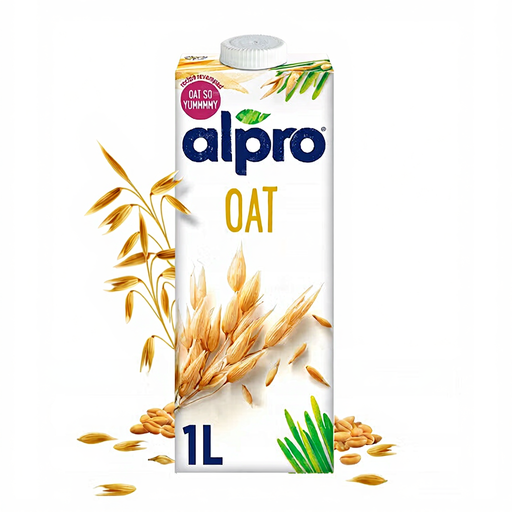 Image unavailable
Worth considering if you’re looking for an oat drink for batter used in sweet or savoury recipes: the product information for this Alpro version mentions that it’s suitable for cooking.
1 L carton. The Joybuy listing for this product mentions oats and gluten; check the label and storage instructions before using it.
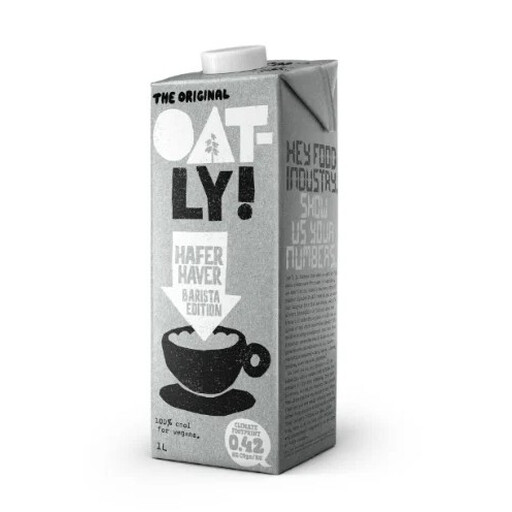 Image unavailable
Worth considering if you want to use the same oat drink in your batter and other recipes: Oatly says its Barista Edition can be used for cooking and baking.
1 L carton. The word ‘barista’ doesn’t mean it will give you different results for crêpes; check the ingredients, allergens and after-opening instructions for this product.
No: the storage instructions for a sealed UHT carton no longer apply once it’s open. Keep the drink in the fridge and follow the use-by period on the packaging, which varies by product.
No: this statement doesn’t mean the drink contains zero sugars. When comparing drinks for crêpe batter, also check the ‘of which sugars’ line in the nutritional information, given per 100 ml.
No: don’t assume a drink is gluten-free just because it’s plant-based. Some oat drink product information mentions oats or gluten. Check the allergen declaration for the exact product and check the other ingredients in your crêpes too.
No: according to the DGCCRF, there’s no general requirement to state the origin of every food product sold in France. If the origin of the oats matters to you, look for specific information on the product you choose rather than assuming it based on where it was packaged.