For a versatile first shop
You want to use the same carton with cereal, in a glass or in simple recipes. Check the uses listed on the product, its nutritional values per 100 ml and its storage instructions after opening.


For your first shop, choose an oat drink based on how you plan to use it and what the label says. A standard option suits a range of everyday uses, while a barista version is designed for a more specific purpose: coffee. Compare the ingredients and nutritional information per 100 ml, then check the allergens and storage instructions after opening on the carton you choose.
You want to use the same carton with cereal, in a glass or in simple recipes. Check the uses listed on the product, its nutritional values per 100 ml and its storage instructions after opening.
You regularly make lattes or cappuccinos and are looking for a formula designed for this purpose. Brands market their barista options for making coffee drinks; that doesn’t describe the result you’ll get from every oat drink.
You want to compare ingredient lists, declared sugar levels and whether calcium or vitamins have been added. Compare specific products rather than assuming what they contain based on the word ‘oat’ alone.
First decide whether you’ll mainly use the carton for everyday purposes or in coffee drinks. Then use the label to compare ingredients and check any precautions specific to each product.
| What to consider | What to check | Who it matters to |
|---|---|---|
| Versatility | Suggested uses for the drink and instructions for after opening. | If I want one carton for cereal, drinking on its own and simple recipes, I look for an easy option for everyday use. Around 31% of consumers would put versatility first. |
| Ingredients | Ingredients, sugars per 100 ml and whether calcium or vitamins have been added. | When comparing two recipes, I want to know what they contain rather than relying on the claims on the front of the pack. Ingredients would be the main consideration for around 31% of consumers. |
| Coffee use | Whether the brand recommends the product for barista use and the ingredients in that specific product. | If I often make lattes or cappuccinos, I first look for a drink designed to be mixed with coffee. This would be the main consideration for around 23% of consumers. |
| Allergens and storage | Allergens listed on the packaging and refrigeration instructions after opening. | If I need to avoid an ingredient or use the carton over several days, this information determines my choice. Around 15% of consumers would prioritise it. |
On its own, this claim doesn’t tell you how much sugar is declared in the drink.
Check the ‘of which sugars’ line in the nutritional information per 100 ml for the product you’ve chosen.
Manufacturers design these formulas for coffee drinks. This specialisation matters less if you’ll mainly use the carton with cereal or drink it on its own.
Decide how you’ll use it most, then compare the ingredients in a barista option with those in a standard oat drink.
Anses warns of risks when a drink not designed for infants is used instead of breast milk or a suitable substitute.
Don’t use an ordinary oat drink as a substitute for breast milk or infant formula.
Follow the storage time and conditions for each opened carton. For example, Auchan says its relevant oat drink should be refrigerated and used within five days.
Before buying several cartons, check the instructions on each one and plan how you’ll use them after opening.
If you can’t use an opened carton according to its instructions, you may end up wasting it.
The range includes a standard oat drink and a barista option designed for coffee.
The brand offers an original oat drink and a Barista Edition marketed for coffee drinks.
Carrefour France lists a 1 L carton of oat-based plant drink.
The product information for this organic oat drink on E.Leclerc’s website lists four ingredients.
The retailer offers a 1 L standard oat drink as well as a barista version.
Lidl has offered multipacks of Vemondo organic oat drink as part of a limited-time promotion.
This selection includes a standard drink for everyday use, barista formulas for coffee and a coconut-flavoured option. The order shown is no substitute for comparing ingredients, allergens and how you plan to use each product.
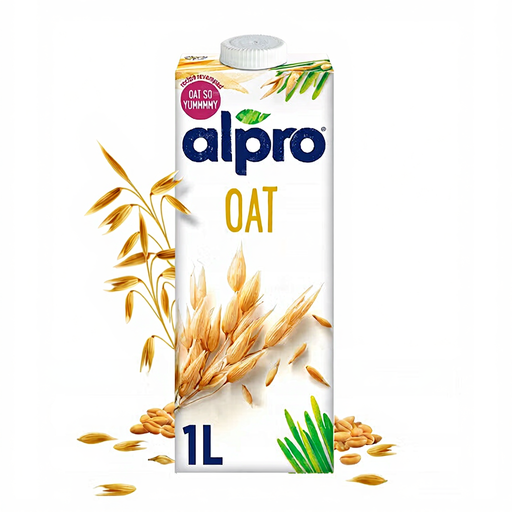 Image unavailable
A standard oat drink to consider for drinking on its own and everyday uses. The product information for this option lists added calcium and vitamins; check the allergens and instructions for after opening on the packaging.
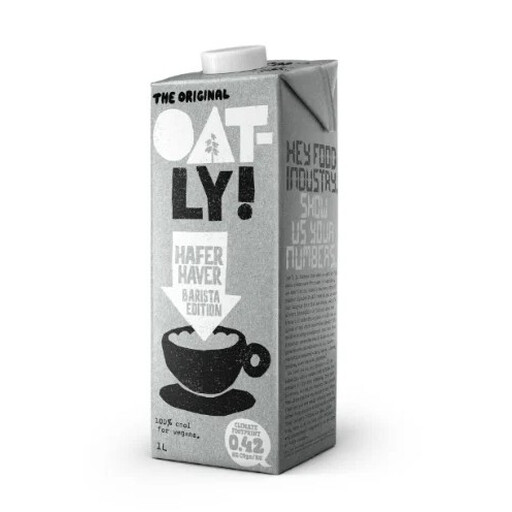 Image unavailable
A version designed for coffee preparations if that’s a regular part of your first shop. To choose between this formula and a standard oat drink, compare their ingredients and check the allergens on the carton.
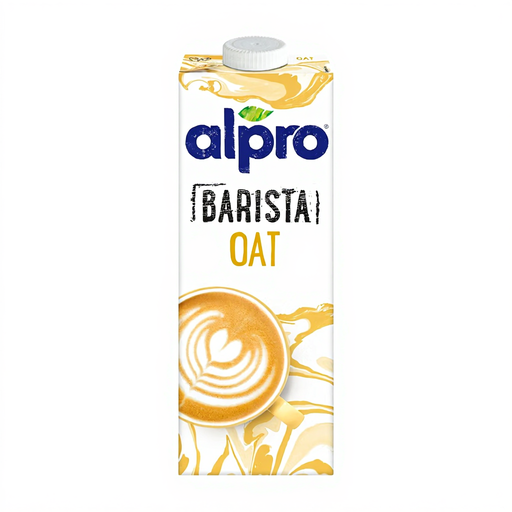 Image unavailable
This barista option is for people who make coffee drinks. Alpro markets it for this purpose; check its nutritional information and allergens before comparing it with a standard formula.
 Image unavailable
An oat drink to consider if the ingredient list is a key factor in your choice. If you’re buying it to avoid gluten, check the packaging first: the information available for this product is contradictory on this point.
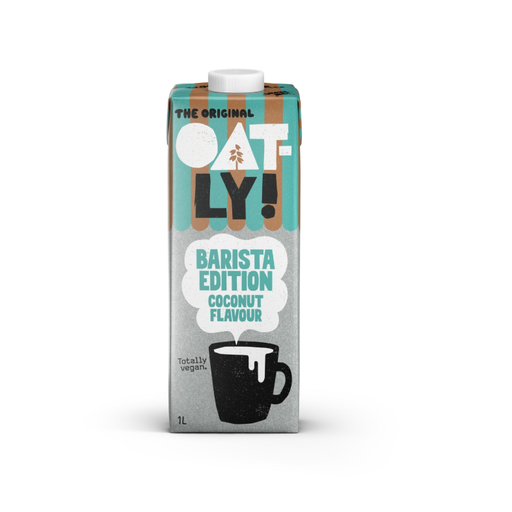 Image unavailable
This coconut-flavoured barista version is for when you’re deliberately looking for a particular flavour, rather than a neutral-tasting drink. Compare its ingredients and declared sugars per 100 ml, then check the allergens on the packaging.
Compare their nutritional information per 100 ml, then check their ingredient lists and allergens. The DGCCRF states that nutritional declarations are given per 100 g or 100 ml. For these drinks, using a 100 ml measure lets you compare sugars, fat, protein and salt without confusing different pack sizes.
Follow the storage time and temperature shown on the carton you buy. For the standard oat drink mentioned here, Auchan says to refrigerate it at between 0 °C and +6 °C and use it within five days of opening. Don’t assume the same instructions apply to another product.
No: the presence of oats doesn’t mean a drink is suitable for avoiding gluten. Joybuy’s product information for Alpro oat drink lists ‘oats (gluten)’ among the allergens. Check the labelling of each product before buying.
No, an ordinary oat drink isn’t designed as a substitute for infant food. Anses warns that replacing breast milk or a suitable substitute with a drink not designed for this purpose could pose risks.