Breakfast and snack teams
You’re looking for an oat drink for beverages or recipes served regularly. The pack size should suit the number of portions you prepare and allow each carton to be used within the stated time once opened.


For meals in care homes, first choose an oat drink that meets residents’ nutritional needs, allergy requirements and individual instructions. Then compare the recipes and the number of cartons the team can use within the stated storage period. A multipack can make purchasing easier if consumption is regular, but a standard oat drink is no substitute for individualised care for a malnourished resident or someone at risk of malnutrition, as described by the French National Authority for Health and SRAE Nutrition.
You’re looking for an oat drink for beverages or recipes served regularly. The pack size should suit the number of portions you prepare and allow each carton to be used within the stated time once opened.
You need to compare the ingredients and nutritional values with each resident’s care plan, rather than treating a standard plant-based drink as a nutritional rehabilitation product. The French National Authority for Health and SRAE Nutrition describe malnutrition and food fortification as matters requiring individualised care.
You’re comparing the number of cartons, storage space and how often the drink is served. A multipack is only practical if the menus allow opened cartons to be used in line with the instructions for the product you buy.
For meals in care homes, start with residents’ needs and the planned menu uses, then choose a multipack size based on actual consumption. The priorities below help you identify what matters most for each choice, without assuming that one recipe will suit every service.
| Criteria | What to check | Who it matters to |
|---|---|---|
| Individual nutritional needs | Compare the protein, energy and calcium per serving; check the ingredients against allergies and individual instructions. | If I’m serving a resident with a specific nutrition plan, I want to know what the drink actually provides before adding it to their meal. Around 33% of consumers are said to prioritise this suitability. |
| Multipack size and stock rotation | Count how many cartons are needed for each service and read the storage instructions for the chosen product once opened. | When menus change, I’d rather choose a quantity the team can use without leaving cartons open for too long; around 25% of consumers are said to prioritise this stock rotation. |
| Sugars and ingredients | Check the sugars listed in the nutritional information, distinguish between “sugar-free” and “no added sugars”, and review the ingredients list. | To standardise a recipe across several dishes, I want to understand what’s in it rather than rely on a single claim on the packaging. Around 25% of consumers are said to put this check first. |
| Use at mealtimes | Check whether it’s intended for drinks or cooking, then make sure it suits the menus and textures planned for residents. | If the drink is used in different preparations, I look for a product suited to the recipes actually being served. Around 17% of consumers are said to prioritise this culinary use. |
The Bio Village product information published by E.Leclerc lists 0.5 g of protein per 100 ml. SRAE Nutrition describes food fortification in care homes as aiming to increase protein and calorie intake without requiring excessively large portions.
For a malnourished resident, someone at risk or anyone with specific instructions, have the drink’s use approved as part of their individual care plan and compare the nutritional values for the portion actually served.
The product information for the Bjorg multipack published by Auchan says to refrigerate it after opening and consume within four days. So the total volume in the multipack doesn’t tell you how many cartons can be opened without exceeding this time.
Plan how many cartons will be used at each service, date any that are opened and follow the instructions on the packaging delivered.
An opened carton that can’t be used within the stated time may have to be thrown away.
These claims describe different things and don’t, on their own, tell you about the protein, calcium or full list of ingredients. For example, Carrefour Bio’s product information says “no added sugars” and lists its recipe separately.
Compare the sugars in the nutritional information and read the ingredients list for the specific product that will be served.
The product information for Bjorg Oat Protein published by Auchan lists 3.2% soya protein in the recipe. Switching to this drink from another product therefore changes which ingredients need to be considered.
Check the label, allergies and individual instructions before making any substitution.
These brands offer oat-based products worth comparing by recipe and pack size. Their inclusion here doesn’t mean all their drinks are sold in multipacks or are suitable for the same use in care homes.
Carrefour lists a range of Alpro oat drinks in 1 L cartons, including a “No Sugars” option.
Oatly offers a classic oat drink, a No Sugars version and a Barista Edition designed particularly for coffee.
Carrefour offers several oat drinks under its own-label brands, including products in 1 L cartons.
E.Leclerc describes a Bio Village oat drink with “no added sugars” in a 1 L carton.
Auchan describes a plant-based oat drink in a 1 L carton and provides storage instructions.
Lidl featured an organic Vemondo oat drink in a pack of 8 × 1 L in an offer dated 30 September 2026.
These two multipacks of three 1 L cartons are suited to services that need several units. The Oatly option is an oat drink, while the Alpro Barista version is designed for coffee-style drinks. For both, the right choice for residents also depends on the label and how meals are organised.
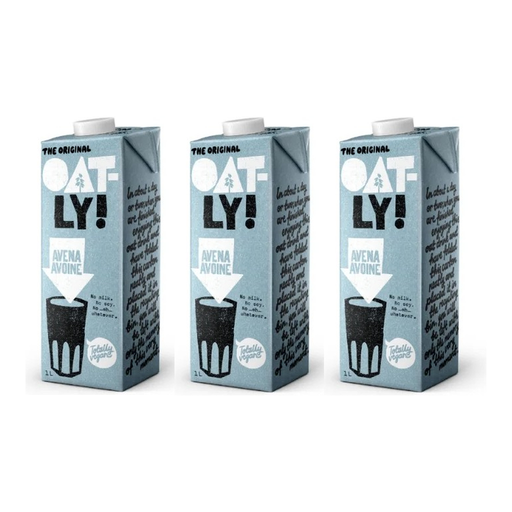 Image unavailable
A multipack to consider if several cartons of oat drink are used regularly during service.
Before adding it to your menus, check the label for ingredients, nutritional values and how long it can be kept after opening.
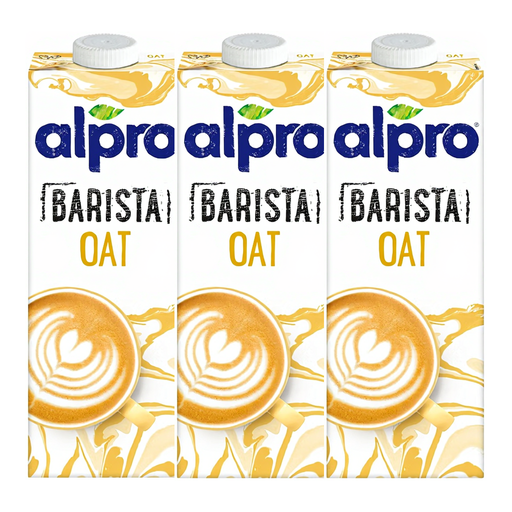 Image unavailable
A Barista recipe to consider if your service includes coffee-style drinks.
For other preparations or for a resident with individual instructions, check the ingredients, nutritional values and storage guidance on the carton delivered.
No, not automatically. A standard oat drink shouldn’t be treated as a substitute for individualised nutritional care for a malnourished resident or someone at risk. The French National Authority for Health addresses malnutrition in older people as part of a care strategy, while SRAE Nutrition describes meal fortification as increasing protein and calorie intake in a way that’s tailored to the resident.
Follow the instructions for each product and keep unopened cartons separate from those that have been opened. According to Auchan’s product information for the 3 L Bjorg multipack, its cartons must be refrigerated after opening and consumed within four days. For its own oat drink, Auchan says to refrigerate after opening between 0 °C and +6 °C and consume within five days.
Check the ingredients and each resident’s allergies before switching: Auchan’s product information for Bjorg Oat Protein lists soya protein. The DGCCRF advises that allergenic ingredients must be highlighted in the ingredients list of prepacked foods; this is still important to check for a plant-based drink.