Weekend latte lovers
If your breakfast revolves around a cappuccino, latte or hot chocolate, the texture of your oat drink matters more than a claim about a “mature” taste. Oatly and Auchan each offer a Barista option designed for hot drinks.


For coffee or hot chocolate, look for Barista oat drinks if a foamy texture matters to you. For cereal or porridge, choose based on taste and the amount of sugars shown on the label. The term “mature” doesn’t provide a clear way to distinguish between these recipes, so check the ingredients, any added nutrients and the allergens for each product separately.
If your breakfast revolves around a cappuccino, latte or hot chocolate, the texture of your oat drink matters more than a claim about a “mature” taste. Oatly and Auchan each offer a Barista option designed for hot drinks.
Whether you’re having cereal, fruit, porridge or pancakes, compare the taste you’re looking for, the “of which sugars” figure and the ingredients. Check the specific product to see whether it’s fortified with calcium or vitamins.
Organic, less sweet and fortified refer to different characteristics. If one of these matters to you, check the nutrition information and ingredients list on the exact carton you’re buying. Check the allergens too, if relevant.
Start with what you’ll be making for breakfast, then compare the recipes using their labels. A Barista claim, choosing an organic drink and added nutrients each meet different needs.
| What to consider | What to check | Who it matters to |
|---|---|---|
| Texture in a hot drink | Look for a stated Barista use, then check the ingredients for that product. | If I’m making a latte or hot chocolate, I want to choose a texture that suits the drink. Around 31% of consumers would put this use at the top of their list of criteria. |
| Taste and sugars | Compare the ingredients and the “of which sugars” figure per 100 ml. Don’t confuse “no added sugars” with “sugar-free”. | With cereal or fruit, I prefer a drink that doesn’t overpower the flavour of the bowl. This would be a priority for around 31% of consumers. |
| Fortification and allergens | Check the calcium, vitamins and protein in the specific recipe, as well as any allergens listed in the ingredients. | If the ingredients guide my choice, I need to know exactly what’s in the carton I’m buying. Around 23% of consumers would make this their top criterion. |
| Organic and in-store availability | Check the certification stated on the product and whether it’s available at your chosen retailer. | For my weekend shop, I’m looking first for an organic product I can find in my local shop. Around 15% of consumers would put this need first. |
These words don’t tell you about the texture in coffee, the taste or the ingredients of an oat drink. They therefore won’t help you choose a recipe for breakfast.
Instead, decide how you’ll use it: to froth for a drink, pour over cereal or compare the ingredients in different recipes.
The E.Leclerc product page for Bio Village “no added sugars” lists 5.0 g of sugars per 100 ml. The claim on the packaging and the total amount of sugars answer different questions.
Check the “of which sugars” figure per 100 ml and compare it with the amount you actually pour.
Fortification depends on the recipe: Auchan’s product page for Alpro Oat lists added calcium and vitamins, while Oatly says its organic drink is not fortified.
If this matters to you, check the calcium and vitamins on the label of the exact product, regardless of whether it’s labelled organic.
The range includes oat drinks for cereal and recipes, as well as products designed for coffee.
Oatly’s French range includes Barista Edition, No Sugars and Organic options.
The retailer offers, among other options, a 1 L carton of Carrefour Sensation oat-based drink.
Auchan offers a 1 L Barista oat-based drink designed for coffee and tea lattes.
Bio Village offers a 1 L organic oat drink, listed by E.Leclerc.
Lidl has offered a 1 L organic oat drink under its Vemondo brand.
These options suit different breakfast uses: Barista drinks for coffee, an oat drink for cereal and a pistachio-flavoured variety. Start by choosing what suits what you’re making, then check the ingredients on the carton.
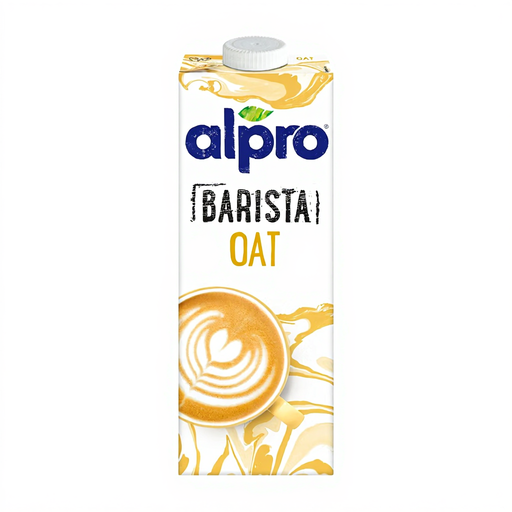 Image unavailable
Worth considering if coffee is at the heart of your breakfast. This Barista variety comes in a 1 L carton; compare its label with drinks you’d be more likely to use for cereal.
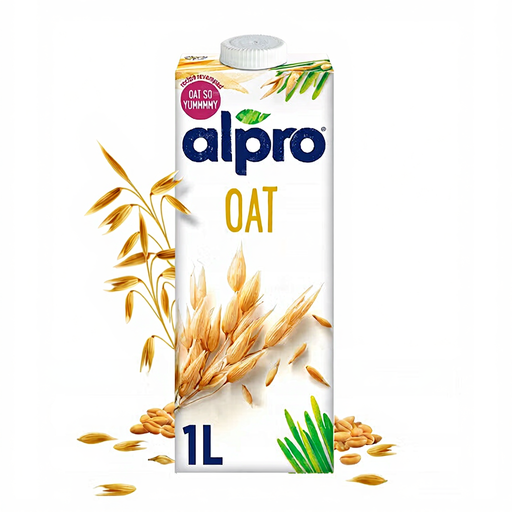 Image unavailable
An oat drink to consider for cereal or breakfast recipes. It comes in a 1 L carton; Joybuy’s listing for this product identifies oats as an allergen.
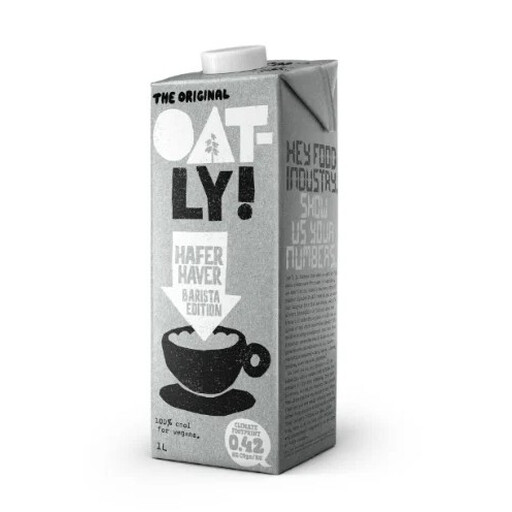 Image unavailable
For a breakfast centred around coffee or a latte, this 1 L Barista variety suits the use Oatly describes for its range. The brand says it’s suitable for frothing; check the ingredients if you’re comparing several Barista drinks.
 Image unavailable
Worth a look if you’re after an oat drink for cereal or coffee. The name distinguishes this 1 L variety with the “0%” claim; check the packaging to see what the claim refers to.
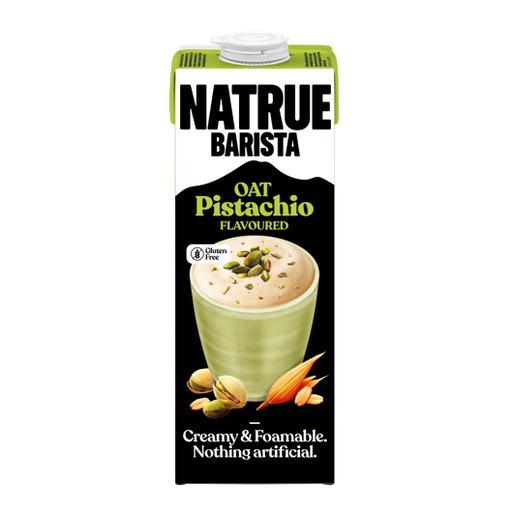 Image unavailable
If you’d like to add a pistachio flavour to your coffee, this 1 L Barista variety is different from unflavoured oat drinks. Check the ingredients and allergens before choosing it.
No. Barista oat drinks are mainly useful for making hot drinks when you want a foamy texture. For cereal or porridge, choose based on the taste, ingredients and “of which sugars” figure for the product.
No. E.Leclerc’s product page for the Bio Village drink carrying this claim lists 5.0 g of sugars per 100 ml. So check the “of which sugars” figure in the nutrition information, even when the packaging says “no added sugars”.
Compare the labels on the specific products, as fortification varies from recipe to recipe. Auchan’s product page for Alpro Oat lists added calcium and vitamins, while Oatly says its Organic drink is not fortified. For allergens, read the ingredients list: as the DGCCRF reminds shoppers, allergens must be highlighted on prepacked food sold in France.