Who are these options for?

People revising who want to compare protein

If you’re looking for a simple snack, almonds and peanuts with no added salt are two options you can compare using their nutritional information. Then check what your portion provides rather than relying on the product name alone.

People who exercise and plan to snack while revising

A protein figure per 100 g doesn’t tell you how much protein you’ll get from the amount you actually eat. Check the portion, energy and salt on the pack you choose, and don’t assume one snack will meet your training needs on its own.

People keeping an eye on salt and ingredients

If you prefer to avoid salted, sweetened or chocolate-coated options, check the ingredients list and the “salt” line. Manger Bouger recommends a small handful of unsalted, unsweetened nuts without chocolate each day.

What should you look at first?

When choosing a snack for a revision break, start with the nutritional information and ingredients. Then check whether the pack size suits your breaks and how the product should be stored once opened.

What to consider What to check Who is it for?
Protein Compare the protein figures per 100 g, then per intended portion if this information is given. If protein is your priority for a break, remember to distinguish the figure in the nutrition table from the amount you’ll eat. Around 33% of consumers in this group would prioritise this factor.
Salt and ingredients Read the “salt” line and ingredients list, even if the pack says “no added salt”. If you prefer an unsalted, unsweetened recipe, the product name alone won’t tell you everything that’s in it. This would be the main priority for around 27% of consumers in this group.
Pack size and storage Check the pack weight and storage instructions after opening. If your revision breaks are spread out, make sure you can finish a large pack in line with the instructions on its packaging. Around 20% of consumers in this group would put this practical consideration first.
Variety For a mix, check its own nutrition table and ingredients list. If you want to vary the nuts you eat rather than choosing based on protein alone, the exact mix becomes important. Around 20% of consumers in this group would have this as their priority.

What should you watch out for?

  • Choosing based on protein per 100 g alone

    Auchan’s roasted almonds with no added salt contain 29 g of protein and 640 kcal per 100 g; its roasted peanuts with no added salt contain 27 g of protein and 622 kcal per 100 g. These figures may not reflect the portion you eat.

    Decide how much you want to take with you before comparing what it provides.

  • Assuming “no added salt” means “no other ingredients”

    The Auchan peanuts with no added salt included in this comparison contain sunflower oil. So a claim about salt doesn’t tell you everything about the recipe.

    Read the ingredients and may-contain warnings on the exact pack, particularly if you need to avoid an allergen.

  • Buying a large pack without checking storage instructions

    Storage instructions after opening vary by product: Auchan says to consume its 400 g roasted almonds with no added salt within 15 days, and the peanuts mentioned here within 5 days.

    Choose a pack size that suits how quickly you’ll eat it, and follow the sealing and storage instructions on the packaging.

    If you leave an opened pack for too long, you may end up throwing some of it away.

  • Overlooking allergens and advice for children

    Peanuts and tree nuts are different. The DGCCRF says that allergenic ingredients are highlighted on the labels of prepacked foods. Whole nuts can also pose a choking risk to young children.

    Check the ingredients and may-contain warnings if you have an allergy. Don’t give whole nuts to young children.

Retailers to explore

Carrefour

Carrefour’s range includes Carrefour Classic’ roasted peanuts with no added salt. This product gives you something to compare with other packs in terms of ingredients and pack size.

  • The retailer has a product listing for Carrefour Classic’ peanuts in a 200 g pack.
  • A product page doesn’t guarantee that the item is available in store or for your chosen collection option.

Auchan

Auchan’s product listings let you compare roasted almonds and peanuts with no added salt using their nutritional information.

  • Auchan lists 29 g of protein per 100 g for the almonds mentioned here and 27 g per 100 g for the peanuts.
  • The recipes differ: the peanuts contain sunflower oil. Check the allergens on the pack you choose, too.

Lidl

Lidl’s Alesto range includes natural almonds and walnut kernels, among other products.

  • These options let you choose one type of nut for a snack or vary the packs you buy.
  • Check the ingredients and nutritional information for the product you choose: a range description doesn’t apply to every pack.

Aldi

Aldi offers Trader Joe’s shelled almonds in a 500 g pack, a size worth considering in light of how quickly you’ll eat them.

  • The pack size can help you decide whether it’s right for regular snacks or sharing.
  • Check the nutritional information and storage instructions after opening for the product you actually choose.

Monoprix

The Monoprix range includes almonds, cashews and walnut kernels from various brands.

  • The listing for Daco Bello roasted almonds with no added salt gives around 27 g of protein per 100 g.
  • This figure applies to this specific product, not to the other nuts in the range.

E.Leclerc

E.Leclerc DRIVE lets you browse the groceries offered by your selected store and its collection or delivery options.

  • Selecting a store helps you see which packs are available for your shop.
  • Compare the ingredients and nutritional information for the products listed by that store.

Nuts and pistachios available on Joybuy

These packs of nuts and pistachios are options to consider for revision breaks. If you’re looking for an unsalted recipe or a specific protein content, compare each label before choosing.
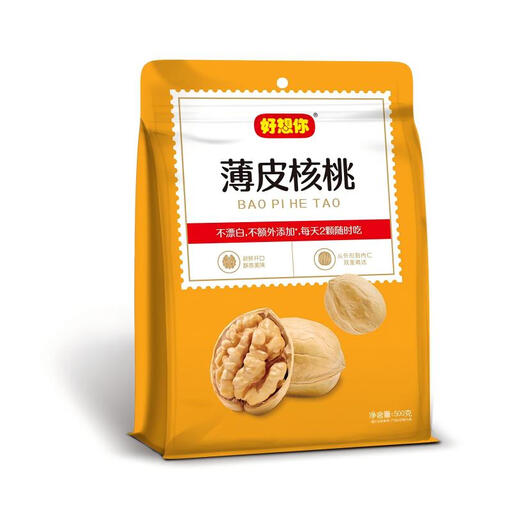
Haoxiangni thin-shell walnuts, 500 g in 8 packs

Haoxiangni thin-shell walnuts, 500 g (8 packs)

Worth considering if you’d like to take walnuts along in individual packs for your breaks. They need to be cracked before eating, and the storage instructions for this product specify keeping it between 0 and 4 °C. Check how much each pack contains so you can portion them out.

View on Joybuy
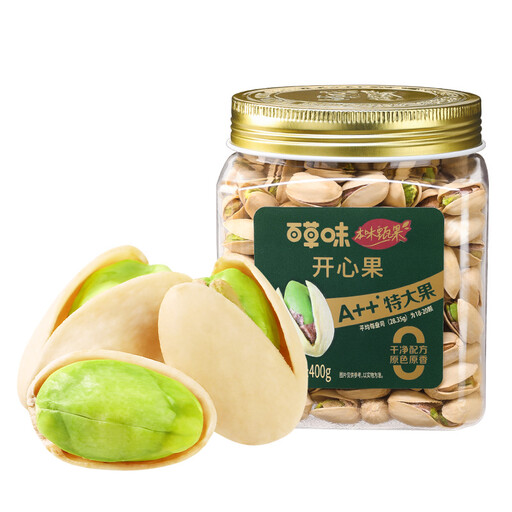
BE&CHEERY Premium pistachios, 400 g

BE&CHEERY Premium pistachios, 400 g

This pack is suited to a break where you have time to shell your pistachios. The recipe contains added salt, so check the “salt” line if you’re looking for an unsalted snack. The storage instructions for this product say to consume it immediately after opening.

View on Joybuy
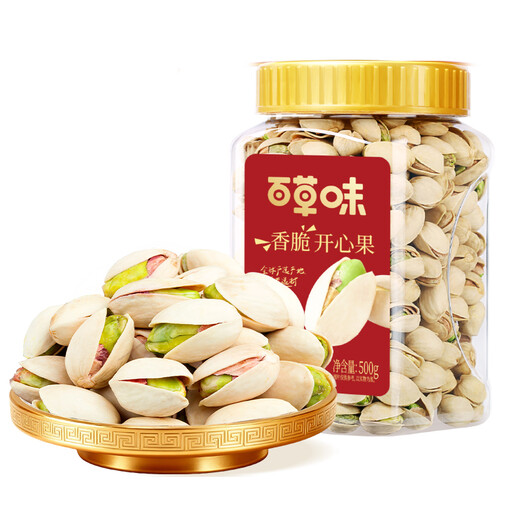
BE&CHEERY pistachios, 500 g

BE&CHEERY pistachios, 500 g

This pack size may suit you if you’re planning several breaks with pistachios to shell. It contains added salt, so check the label if salt is a factor in your choice. Plan your portion from the 500 g pack and follow its storage instructions.

View on Joybuy

Frequently asked questions

How do I compare the protein in two packs?

First compare the figures per 100 g, then work out what they mean for your planned portion. The DGCCRF says that presenting nutritional information per 100 g makes it easier to compare products. Auchan’s listing for its roasted peanuts with no added salt gives 6.6 g of protein per 25 g portion. Also check salt, sugars, fat and ingredients.

Should a revision snack be unsalted?

There’s no rule that applies to every purchase, but Manger Bouger recommends a small handful of unsalted, unsweetened nuts without chocolate each day. If you’re using this as a guide, check the recipe and the “salt” line rather than relying on the type of nut alone.

How long can I keep an opened pack?

Follow the instructions for the exact product: Auchan says to consume its 400 g roasted almonds with no added salt within 15 days of opening, compared with 5 days for the peanuts mentioned here. Reseal the pack as instructed on its packaging.

What should I check on the label if I have an allergy?

Check the ingredients list and any may-contain warnings on the pack you choose, taking care to distinguish between peanuts and tree nuts. The DGCCRF says allergenic ingredients must be highlighted on prepacked foods.

Is a handful of nuts enough after exercise?

The protein content of a pack alone can’t tell you what’s right after a workout. Consider the portion you actually eat, and don’t treat a protein claim as a guarantee of recovery.