Who is this guide for?

People finishing a workout before drinks

You want to compare the protein content of the products being served, without relying on a handful of nuts to see you through the rest of your diet. After endurance exercise, carbohydrates and protein play complementary roles, as explained in an article published in Current Sports Medicine Reports.

Hosts who prefer unsalted snacks

You’re looking for almonds, peanuts or other snacks to share without automatically choosing a salted variety. Manger Bouger, the French public health website, recommends unsalted and unsweetened nuts.

People who pay close attention to ingredients and allergies

Before serving several guests, you need to distinguish peanuts from tree nuts and check the ‘may contain’ warnings on each packet. A mixed selection calls for particular care when checking the ingredients list.

What should you check before buying?

Start with what matters most for your drinks: protein content, salt, or whether the product is suitable for sharing with the guests you have invited.

What matters What to check Who is it for?
Comparing protein Check the ‘protein’ figure per 100 g and the ingredients list on the specific packet. After exercising, I want to know what the product being served provides rather than rely on its name: around 42% of consumers are said to put this protein comparison first.
Keeping salt levels down at drinks Look for ‘no added salt’ or ‘unsalted’, then check the ‘salt’ figure per 100 g. If there are already other salty foods on the table, I’d rather choose an unsalted variety. This is said to be a priority for around 33% of consumers.
Sharing with allergies in mind Check the ingredients, allergens and ‘may contain’ warnings before serving a selection. When several people are helping themselves from the same bowl, I need to know whether the product contains peanuts or tree nuts and whether it is suitable for my guests; around 25% of consumers are said to prioritise sharing with allergies in mind.

Common mix-ups to avoid

  • Relying on nuts alone after exercise

    Their protein content alone doesn’t tell you what the whole snack or meal provides. Carbohydrates matter after endurance exercise too, according to the article published in Current Sports Medicine Reports.

    If you’ll be training again soon, think about how other foods fit into your snack or meal rather than simply increasing the amount of nuts.

  • Assuming every variety has the same salt content

    A salted variety and one with no added salt won’t suit the same preferences, even if they contain the same type of nut.

    Compare the wording on the front of the packet with the ‘salt’ figure in the nutritional information.

  • Confusing peanuts with tree nuts when serving a mix

    Peanuts are legumes; almonds, pistachios and cashews are tree nuts. The packaging may also list traces of other allergens.

    Ask your guests about their allergies and check the ingredients and trace warnings on the product you choose.

Brands to compare

Auchan

Auchan’s product listing for roasted almonds with no added salt is for a 200 g packet.

  • Auchan lists 29 g of protein and less than 0.01 g of salt per 100 g for this product.
  • The listing warns that traces of peanuts and other allergens may be present. Check the packet before sharing.

Couleurs Vives / Marque Repère E.Leclerc

The range includes roasted almonds with no added salt, as well as a mix of peanuts, almonds and cashews.

  • E.Leclerc’s listing for its 250 g pack of almonds gives a protein content of 27.4 g per 100 g.
  • For the mix, check the ingredients and nutritional information for the specific product. The proportions of each ingredient matter when making your choice.

Carrefour Le Marché

Carrefour’s Le Marché range includes peanuts and roasted pistachios with no added salt.

  • These two products let you choose between peanuts and pistachios, depending on the ingredients you’re looking for.
  • The listing for the peanuts warns that traces of other allergens may be present. Check the packaging of the product you plan to serve.

Alesto / Lidl

Lidl’s Alesto range includes tree nuts, dried fruit and snacks for drinks.

  • The range includes options such as plain cashews and almonds.
  • Compare the nutritional information on the specific packets if protein content is your priority.

TRADER JOE'S® / ALDI

ALDI lists a variety of roasted almonds with no added salt.

  • This variety is one to consider when comparing unsalted almonds for drinks.
  • Check the protein per 100 g on the packet before comparing it with other products.

Maître Prunille

Monoprix lists Maître Prunille dry-roasted almonds with no added salt in a 250 g packet.

  • Monoprix’s listing gives a protein content of 23 g per 100 g for this product.
  • It warns that other allergens are present in the manufacturing or packing facility and advises consuming the product within 15 days of opening.

Two options available on Joybuy

These products suit two different ways of serving snacks with drinks: unsalted cashews, and unroasted peanuts to prepare before serving.

BENENUTS packet of unsalted cashews, 130 g

BENENUTS Unsalted Cashews, 130 g

This pack is a good option if you want to serve unsalted cashews with drinks and your guests can eat tree nuts. Compare the protein per 100 g and check the allergens on the packaging before sharing.

View on Joybuy
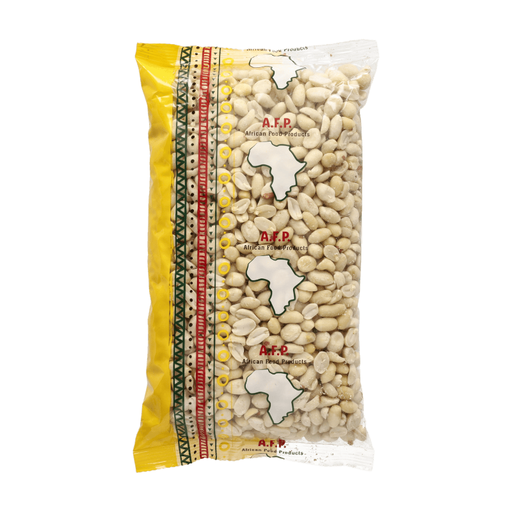
A.F.P. packet of shelled, unroasted peanuts, 800 g

A.F.P. Shelled Unroasted Peanuts, 800 g

If you’d like to prepare your own peanut snacks for drinks, bear in mind that these peanuts are unroasted. This 800 g pack contains peanuts, so check your guests’ allergies and the preparation instructions on the packaging.

View on Joybuy

Frequently asked questions

Which nuts should I compare for protein when serving drinks?

Compare the protein per 100 g on the specific products rather than assuming all almonds or mixes have the same value. For reference, product listings from Carrefour, Auchan, E.Leclerc, Seeberger and Monoprix show roasted almonds containing between 22 and 29 g of protein per 100 g, depending on the product.

Are nuts enough after a workout?

They can be part of a snack, but their protein content alone doesn’t tell you what the whole meal provides. After endurance exercise, carbohydrates and protein play complementary roles, according to an article published in Current Sports Medicine Reports.

How do I choose an unsalted variety?

Look for ‘unsalted’ or ‘no added salt’, then compare the ‘salt’ figure per 100 g on the specific product. This helps you distinguish the variety you’re considering from other snack versions made with the same type of nut.

Where can I find protein and allergen information on the packet?

Check the protein figure in the nutritional information, which is given per 100 g, and look for allergens in the ingredients list. France’s Directorate-General for Competition Policy, Consumer Affairs and Fraud Control says that information presented per 100 g makes it easier to compare products, and that allergenic ingredients must be highlighted on pre-packed foods.

How long can I keep almonds after opening?

Follow the instructions on the packet you’ve bought rather than applying the same timeframe to every brand. Monoprix’s listing for Maître Prunille almonds says to seal the packet tightly and consume its contents within 15 days of opening.