To choose a snack based on its protein content, compare the nutritional values per 100 g and the ingredients on the exact pack. The E.Leclerc, Auchan and Tramier product listings reviewed give 27.4 g of protein per 100 g for almonds with no added salt, 27 g for peanuts with no added salt, and 24 g for unsalted pistachios, respectively. For regular snacking, Manger Bouger recommends unsalted, unsweetened nuts with no chocolate; dried fruit such as dates or raisins is a different choice.
Who is this guide for?
Active people on the go
If you’re taking a snack with you for after exercise, you’ll want to know its protein content rather than rely on the product name. The Anses lists peanuts, almonds and pistachios among plant-based sources of protein. Just remember that the amount you eat may differ from the value given per 100 g.
Holidaymakers keeping an eye on added salt
A handy pack to take with you isn’t necessarily the same as a salted snack intended for drinks and nibbles. Manger Bouger recommends a small handful of unsalted, unsweetened nuts with no chocolate each day, so check the ingredients of the product you choose.
Parents preparing snacks for the family
Children’s ages, the form of the product and allergens matter just as much as pack size. Manger Bouger advises against giving whole nuts to children under 6 because of the risk of choking.
What should you look for?
For an autumn half-term break, first decide between nuts and dried fruit. Then check the ingredients, nutritional information and storage instructions for the specific product.
| What to consider |
What to check |
Who is it for? |
| Protein |
Compare the protein per 100 g, then work out how much that means for the amount you plan to take with you. Check the fat and energy values too. |
If I’m having a snack around a workout, I want to know what’s in the portion I’ll actually eat, not just the whole pack. Around 36% of consumers put this protein check first. |
| Ingredients and salt |
Read the ingredients list and the “salt” line: two versions of the same nut can have different nutritional values. |
If I plan to snack on them regularly during my break, I’d choose a simple recipe over a savoury snack mix. Low salt would be the top priority for around 29% of consumers. |
| Taking it with you and eating it |
Check the pack size, instructions for after opening, allergens and whether the product is suitable for the age of the people who’ll be eating it. |
If I’m preparing snacks for several people, I need a pack I can store as directed and a product that’s suitable for everyone. Around 21% of consumers would put these practical and family considerations first. |
| Type of dried fruit or nuts |
Check the ingredients to distinguish nuts from dried fruit, then compare the “sugars” and “protein” values. |
If I’m looking at a mix of raisins and nuts, I want to make sure it fits what I’m looking for in terms of protein. Around 14% of consumers would put this distinction first. |
Mistakes to avoid
-
Assuming all dried fruit is made up of nuts
Dates, raisins and dried apricots are dried fruit. Manger Bouger says they naturally contain a lot of sugar, so their name alone won’t tell you how much protein they contain.
Start by checking the main ingredients, then compare the protein and sugar in the product you’re considering.
-
Confusing salted products with those that have no added salt
The Auchan listings reviewed show 0.01 g of salt per 100 g for peanuts with no added salt, compared with 0.8 g per 100 g for the salted version. These are two different products.
Read the “salt” line and ingredients list on the pack you’re buying.
-
Choosing a pack size without checking how to store it
If you want a pack to last throughout your break, you’ll need to be able to store it as directed once opened.
Check the instructions before choosing a pack size, and make sure you can reseal it as directed.
-
Forgetting about allergens and the form of the product
If you have an allergy, check the label for peanuts and tree nuts. Manger Bouger warns that whole nuts pose a choking risk for children under 6.
Check the allergen and “may contain” information. Don’t give whole nuts to children under 6.
Brands and retailers to consider
Carrefour
Carrefour listings include almonds, peanuts and roasted pistachios with no added salt, in a range of pack sizes.
- The products listed make it easy to compare nut types and pack weights.
- Check the nutritional information for each product: similar ingredients don’t guarantee the same protein content.
E.Leclerc / Marque Repère
E.Leclerc listings include Couleurs Vives almonds and a Tokapi mix with no added salt.
- The Couleurs Vives almond listing gives almonds as the only ingredient, with 27.4 g of protein and 0 g of salt per 100 g.
- For this product, E.Leclerc advises checking availability with the relevant store.
Auchan
Auchan listings let you compare roasted peanuts with no added salt against a salted version.
- The products reviewed list 27 g and 26 g of protein per 100 g, respectively.
- Their salt content differs: 0.01 g per 100 g for the no-added-salt version, compared with 0.8 g per 100 g for the salted version. Check the allergens on the exact pack too.
Alesto
Lidl sells nuts and dried fruit under the Alesto brand, including natural almonds.
- The range can be a useful starting point if you’re looking for a natural product.
- Lidl’s description of the range is no substitute for checking the ingredients and nutritional information on each pack.
Tramier Natura
The product reviewed is a pack of Tramier Natura unsalted roasted pistachios.
- Its product listing gives roasted pistachios as the ingredient, with 24 g of protein and less than 0.01 g of salt per 100 g.
- These values apply to this specific product. Check the label if you choose another product in the range.
Nuts available on Joybuy
These peanuts, walnuts and cashews suit different needs for a break away: you might want to prepare them, take individual packs or have an unsalted snack. Check the instructions for eating and storing each product before choosing.
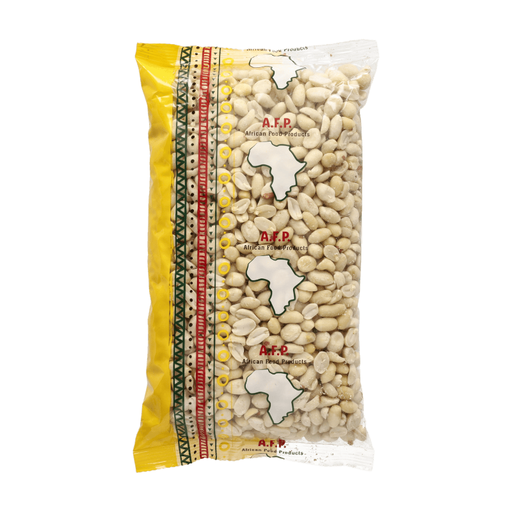 Image unavailable
A.F.P. unroasted skinless peanuts, 800 g
This pack is a good choice if you’re planning to prepare peanuts during your break rather than take ready-roasted snacks with you. Check the instructions on the packaging before eating them; this product contains peanuts.
View on Joybuy
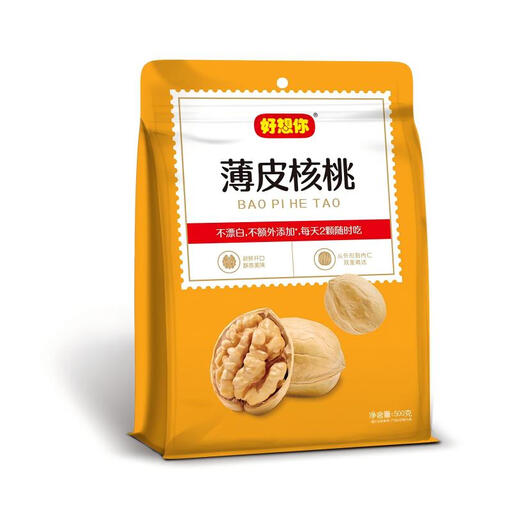 Image unavailable
Haoxiangni thin-shelled walnuts, 500 g in 8 packs
Individual packs can make it easier to portion out the walnuts during your break, but they’re in their shells and need cracking. Before taking them with you, check that you can store them at the specified temperature of between 0 and 4 °C.
View on Joybuy
 Image unavailable
BENENUTS unsalted cashews, 130 g
This 130 g pack is a handy option if you’re looking for unsalted cashews to take with you. The recipe includes sunflower oil and may contain traces of peanuts and other nuts. Check the label if the ingredients or allergens are important to your choice.
View on Joybuy
Frequently asked questions
Does all dried fruit contain the same amount of protein?
No. You need to distinguish nuts from dried fruit and compare the nutritional information for the specific product. The Anses lists peanuts, almonds and pistachios among plant-based sources of protein, while Manger Bouger says dates, raisins and dried apricots naturally contain a lot of sugar.
How should you compare two packs for a snack on the go?
Start with the values per 100 g, then consider how much you’ll actually eat. The Auchan listing for peanuts with no added salt gives 6.6 g of protein per 25 g portion. Check the ingredients, salt content and storage instructions too.
Can you give whole nuts to a young child?
Not before the age of 6. Manger Bouger advises against giving whole nuts because of the risk of choking, and suggests adding them to food in powdered form instead. Check the allergens in the product you use too.
What should you check on the label if you have an allergy?
Check the ingredients list and “may contain” information on the exact pack. The DGCCRF reminds shoppers that allergenic ingredients must be highlighted on food labels.
How should you store an opened pack while on holiday?
Follow the instructions for the product you’ve bought. The listings reviewed say to consume the Auchan peanuts with no added salt within 5 days of opening and the Tramier Natura pistachios within 7 days. Bear this in mind when choosing a pack to take with you.


