To choose nuts based on their protein content, compare the nutritional information per 100 g and distinguish nuts from mixes containing dried fruit or seasonings. Then check the sugar, salt, allergens and pack size to suit how you plan to enjoy them throughout the week.
Who is this guide for?
People looking for a snack with plant-based protein
When doing your weekly shop, comparing protein per 100 g helps you tell different packs apart without assuming that a mix contains as much as nuts on their own. Anses lists almonds, pistachios and peanuts among the oilseeds that provide plant-based protein.
People who prefer an unsalted snack
If you plan to spread a pack over several days, check the product name and ingredients rather than judging by the packaging alone. Manger Bouger recommends a small handful of unsalted, unsweetened nuts without chocolate each day.
Households planning their weekly shop
Pack size, storage instructions after opening and how you’ll collect your order can matter just as much as the recipe when you’re planning several portions. Choose a size that suits how quickly you’ll get through it.
What should you compare?
Start with the ingredients and nutritional values per 100 g, then choose a pack size you can store according to the instructions on the packaging.
| What to compare |
What to check |
Who this matters to |
| Protein |
Compare the protein per 100 g and read the ingredients, especially for a mix. |
When planning a snack around my sporting activities, I want to know how much protein the product contains rather than relying on the name of the pack. Around 50% of consumers prioritise this comparison. |
| Ingredients |
Check the sugar and salt per 100 g, as well as whether the product contains dried fruit, chocolate or seasonings. |
If I’m looking for nuts to eat regularly, I’d rather avoid a pack whose recipe doesn’t match my preference for unsalted and unsweetened products. Around 40% of consumers prioritise ingredients. |
| Pack size and storage |
Check the net weight and storage instructions after opening. |
When I’m planning several portions for the week, I want to be able to store the opened pack according to its instructions. Around 10% of consumers prioritise pack size and storage. |
Mistakes to avoid
-
Assuming all “dried fruit” products are the same
This category label can refer to nuts, dried fruit or a mix of the two. Their ingredients differ: a mix of raisins and nuts is not the same as a pack of almonds, even if they look similar.
If protein is your priority, read the ingredients and compare the nutritional information per 100 g.
-
Focusing only on the “high in protein” claim
Under the European regulation published on EUR-Lex, this claim means that at least 20% of the product’s energy value must come from protein. On its own, it tells you nothing about the sugar, salt or ingredients.
Compare all the nutritional information per 100 g before choosing between two packs.
-
Buying your usual pack without checking the allergens again
Ingredients and precautionary “may contain” statements can vary between products. For example, Monoprix’s L’Atelier des Fruits Secs almonds product page lists several possible traces of other allergens in addition to almonds.
If you have an allergy, check the label on the exact product each time the recipe, brand or pack size changes.
-
Choosing a large pack without planning how you’ll use it
If a pack is intended to provide several portions, you’ll need to store it according to the instructions after opening. These instructions may differ from one product to another.
Check the pack size and storage instructions before adding it to your weekly shop.
Retailers to check for these products
Carrefour
A place to look for nuts for click and collect or delivery.
- Carrefour lists, among other products, a 150 g pack of Seeberger unsalted roasted almonds.
- Check the product details and your chosen collection option before completing your shop.
Leclerc
A retailer to check if collection or delivery is central to how you plan your shop.
- E.Leclerc Drive offers ordering with collection or delivery.
- Choose nuts by checking the nutritional information and ingredients for each product.
Auchan
Its range includes separate categories for almonds, other nuts, seeds and mixes.
- Auchan’s product page for roasted almonds with no added salt lists 29 g of protein per 100 g. This value applies to this specific product.
- A mix from the same section may have different ingredients, so compare each product on the same per-100 g basis.
Lidl
The Alesto range includes plain nuts as well as products intended for an aperitif.
- Lidl lists plain almonds and plain cashew nuts, among other products.
- Distinguish these from seasoned products and check what’s available at your local store.
Aldi
A retailer to check for different varieties of shelled almonds.
- ALDI France lists, among other products, a 200 g pack of unsalted shelled almonds.
- To compare protein or sugar, refer to the nutritional information for the product you’ve chosen.
Monoprix
A retailer to check for shelled almonds and their labelling information.
- The L’Atelier des Fruits Secs product page lists a 200 g pack of shelled almonds.
- This product may contain traces of other allergens. If this is relevant to you, check the information on the exact pack.
Joybuy product selection
These two flavoured almond packs suit different occasions: a 180 g pack to enjoy throughout the week and a 30 g pack to take with you. If you prefer plain, unsweetened nuts, compare the ingredients before choosing.
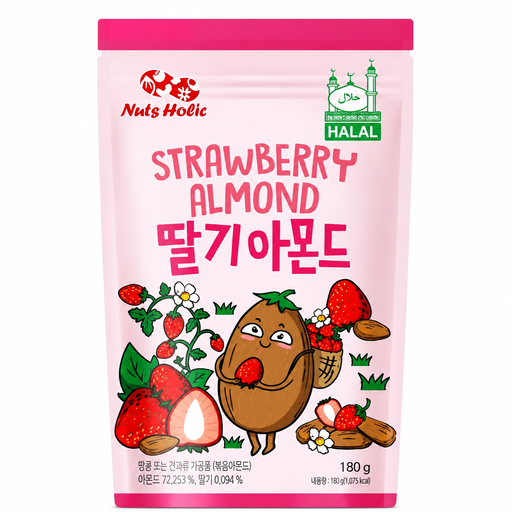 Image unavailable
Nutsholic Almonds Strawberry Flavour, 180 g
This 180 g pack can be split into several portions throughout the week. Its strawberry flavour and added sugar make it unsuitable if you’re looking for unsweetened nuts. Also check the allergen information on the pack.
View on Joybuy
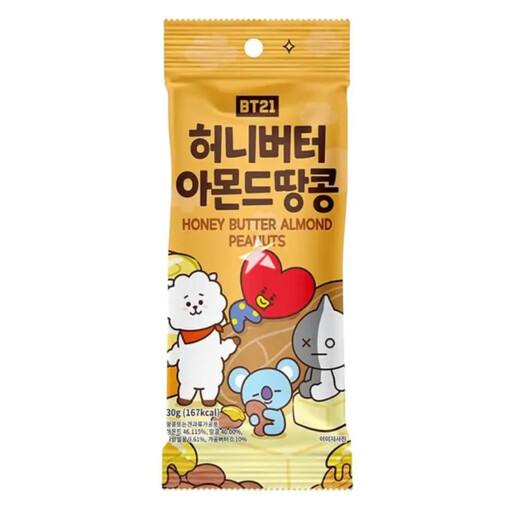 Image unavailable
BT21 Honey Butter Almond, 30 g
The 30 g pack is a handy option if you’re buying an individual snack to take with you. This honey and butter recipe also contains sugar and salt. If you’re looking for plain almonds, compare the ingredients and nutritional information.
View on Joybuy
Frequently asked questions
How do I compare the protein in two packs of nuts or dried fruit?
Compare the protein per 100 g, then check the sugar, salt and ingredients on the same basis. The DGCCRF explains that nutritional information per 100 g makes products easier to compare; the portion size shown separately may vary between products.
Can a mix with raisins replace a pack of almonds?
Not necessarily if protein is your main priority: the proportion of nuts and the nutritional values may differ. For example, Auchan’s product page for an unsalted mix with raisins lists 14 g of protein and 27 g of sugar per 100 g. Compare the exact recipe rather than relying on the general “dried fruit” label.
How should I store an opened pack during the week?
Follow the storage instructions on that pack and choose a size that suits the portions you’re planning. Don’t automatically apply the instructions for one product to another.
What should I check on the label if I have an allergy?
Read the highlighted ingredients and any precautionary “may contain” statements on the exact product. The DGCCRF explains that allergenic ingredients must be highlighted; warnings can vary between products, even between two packs of almonds.


