People looking for a plant-based snack around their workout
You’d like to add plant-based protein to a snack or meal without choosing an enriched product. The Anses includes peanuts, almonds and pistachios among the oilseeds that provide protein.


To choose a snack made with nuts or peanuts for before or after sport, compare the protein content per 100 g on the labels of the products you’re interested in: values vary from one product to another. Check the portion size, fat, salt and added ingredients too. These foods can complement a meal or snack, but they can’t meet all your protein needs on their own.
You’d like to add plant-based protein to a snack or meal without choosing an enriched product. The Anses includes peanuts, almonds and pistachios among the oilseeds that provide protein.
You’re looking for a product you can regularly include in your diet. Manger Bouger, the French public health website, recommends a small handful of unsalted, unsweetened nuts without chocolate each day.
You’re planning to add almonds, pistachios or peanuts to yoghurt, porridge or a recipe. In that case, whether they’re whole or ground, and the ingredients list, matter just as much as the type of nut.
Start with how you’ll use them — as a snack to take with you or an ingredient to add to a dish — then compare the labels on the same 100 g basis.
| Criteria | What to check | Who is it for? |
|---|---|---|
| Protein | Compare the “protein” figure per 100 g and check that it’s for the exact variety you’re thinking of buying. | If my priority is adding plant-based protein to my snack, I want to be able to compare products on a like-for-like basis. Around 36% of consumers put this need first. |
| Salt and added ingredients | Check the salt content and ingredients list, particularly for salted, sweetened or coated varieties. | If I’m eating these regularly, I’d like to know whether my snack contains salt, sugar or a coating. Around 36% of consumers prioritise checking for these additions. |
| Format and portion size | Choose a form that suits how you plan to use it, and check the energy and fat content per 100 g too. | Whether I’m choosing a snack to take with me or an ingredient for recipes, I mainly need a format that’s easy to use and portion. Around 28% of consumers put this criterion first. |
Protein content doesn’t tell you everything about a food’s nutritional value. For peanuts listed in its nutrition table, Santé Magazine gives figures of 22.8 g of protein and 49.1 g of fat per 100 g.
Check the energy and fat content too, then choose a format you can portion to suit how you plan to use it.
Products in the same category can have different salt content. Monoprix’s product pages for Monoprix Bio and Vico roasted and salted pistachios list 0.8 g and around 0.88 g of salt per 100 g respectively.
If you’re looking for an unsalted variety, check both the product name and the “salt” figure on the label.
A bar, confectionery product or powder may have a different composition from a bag of whole nuts. Carrefour Bio’s ground almond product page notes that it may contain traces of other nuts, peanuts, milk and eggs.
Check the ingredients list and allergen information for the exact product you’re buying.
These product examples show why it’s important to compare specific products rather than assume that all almonds or pistachios have the same composition.
The whole and ground almond products make it easy to compare formats designed for different uses.
Auchan’s almond product pages show how products in the same category can differ.
The Bio Village range includes whole almonds and roasted almonds, among other products.
Monoprix’s pistachio product pages let you compare protein and salt content on the same 100 g basis.
These peanuts, walnuts, cashews and pistachios suit different uses: cooking, cracking open or taking with you as a snack. Choose according to the product format and label information, particularly for salt and allergens.
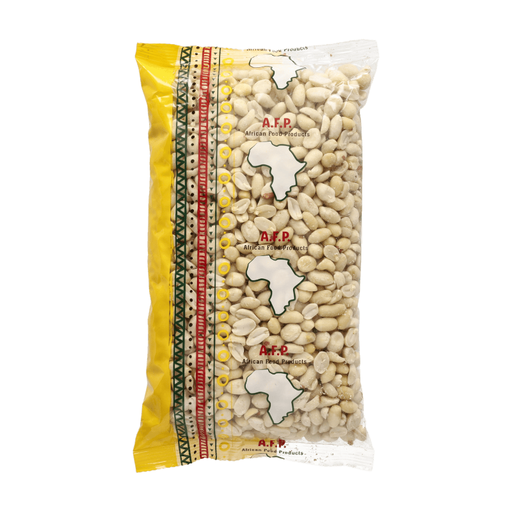 Image unavailable
Worth considering if you’re looking for peanuts to add to a recipe rather than a ready-to-eat roasted snack. They’re sold unroasted, so prepare them as you wish. Check the label if you’re comparing nutritional values or allergens.
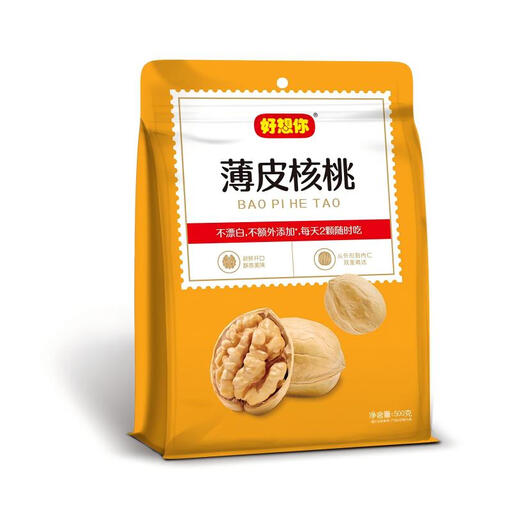 Image unavailable
A good option if you use walnuts in snacks or recipes and don’t mind cracking them open first. If keeping an eye on salt is important to you, check the amount per 100 g on the label.
 Image unavailable
Worth considering if you want a no-preparation snack and are looking for cashews described as unsalted. The ingredients list also includes sunflower oil, so check it if you want a product made from cashews alone.
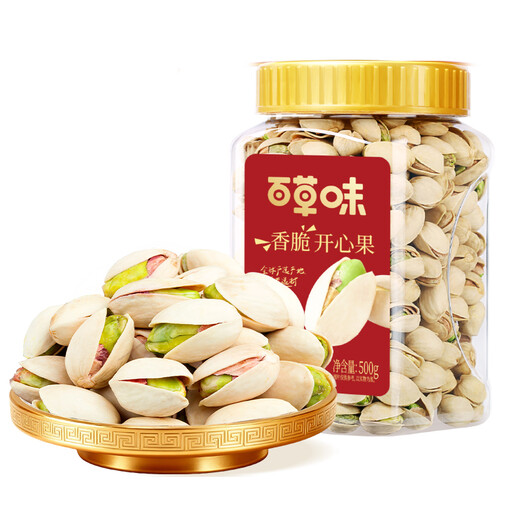 Image unavailable
Worth considering if you’d like pistachios to snack on or add to a recipe. This product contains salt, so check the ingredients before choosing it if you’re looking for an unsalted snack.
Compare the “protein” figure per 100 g for the specific products you’re thinking of buying. Santé Magazine lists 22.8 g of protein per 100 g of peanuts in its nutrition table; Nutrition & Santé lists 22.3 g per 100 g of pistachios. Auchan’s product pages for two almond products list 21 g and 25 g per 100 g respectively. These figures don’t rank every product in each category.
They can add plant-based protein to a snack, but your choice shouldn’t come down to one food alone. The Anses includes peanuts, almonds and pistachios among plant-based sources of protein. Consider the overall composition of your meal or snack too.
Roasted and salted pistachios don’t meet the same criteria as unsalted ones. Manger Bouger recommends unsalted nuts for everyday consumption; Monoprix’s product pages for two salted pistachio products list 0.8 g and around 0.88 g of salt per 100 g.
Check the ingredients list and allergen information for the specific product. Your Europe’s labelling rules for pre-packed foods in the European Union require any allergens present to be highlighted in the ingredients list. Also check for any “may contain” information.