Which criteria should you look at first?
Start by deciding what you want from your snack: plain nuts, mixes with dried fruit and bars aren’t comparable based on their names alone.
Plain almonds or peanuts
Worth considering: if you prefer a simple recipe and want to compare the stated protein content per 100 g.
Bear in mind: a small portion provides less protein than the figure shown per 100 g might suggest.
Mix with dried fruit
Worth considering: if you’re looking for a varied mix rather than prioritising protein.
Bear in mind: the TOKAPI mix featured by E.Leclerc contains 16 g of protein and 41 g of sugars per 100 g; another mix may have different values.
Protein bar
Worth considering: if a ready-to-go individual portion matters more to you than plain nuts.
Bear in mind: this is a different product category. Compare the nutritional information per bar and its ingredients list.
| Criteria |
What to check |
Who is it for? |
| Protein per portion |
Compare the protein content per 100 g, then check it against the amount you’ll actually eat. |
After a workout, I want to know what my snack provides without treating a handful as a meal. Around 36% of consumers reportedly prioritise protein content. |
| Ingredients |
Read the ingredients list and check the sugars per 100 g, especially for a mix or a bar. |
When stocking my cupboards, I’d rather understand what’s in a product than choose based on its name. A simple ingredients list would be the top criterion for around 29% of consumers. |
| Format and storage |
Check the packaging and any product-specific instructions for after opening. |
If my kitchen isn’t set up yet, I’m looking for a snack that’s easy to store and carry. Convenience would come before other criteria for around 21% of consumers. |
| Allergens |
Check the ingredients and any warnings about traces on the packaging of the variety you’re buying. |
If an ingredient or trace could make a product unsuitable for me, I need to check that before anything else. This would be the top priority for around 14% of consumers. |
Which retailers should you consider?
These products give you specific ingredients and nutritional information to compare; their features don’t apply to everything each retailer sells.
Auchan
A roasted peanut product with no added salt, with figures given per 100 g and per portion.
- Auchan states that it contains 27 g of protein per 100 g and 6.6 g per 25 g portion.
- The product contains peanuts and may contain traces of other nuts.
E.Leclerc / Marque Repère
Listings for almonds and mixes let you compare products from different categories.
- According to E.Leclerc, Couleurs Vives almonds with no added salt contain only almonds in the ingredients list and provide 27.4 g of protein per 100 g.
- The TOKAPI mix with no added salt contains 16 g of protein and 41 g of sugars per 100 g; these figures don’t represent the values for plain almonds.
Carrefour
Its ‘Nutrition and Protein’ range includes bars containing almonds or peanuts.
- The range lets you consider a bar if a portable format is your priority.
- A bar isn’t interchangeable with plain nuts: check the nutritional values and ingredients for the product you choose.
ALDI / TRADER JOE'S®
ALDI lists roasted almonds with no added salt in a 200 g bag.
- The listing specifies the pack size and the ‘no added salt’ claim.
- To compare their protein content, check the nutritional information on the packaging.
Monoprix / L’Atelier des Fruits Secs
A 200 g product of shelled almonds with a listing that details the ingredients and possible traces.
- According to Monoprix, the ingredients list for this product contains only almonds.
- The listing mentions possible traces of peanuts, other nuts, sesame, sulphites, cereals containing gluten and soya.
Which products should you look at on Joybuy?
This selection includes unroasted peanuts to prepare and two protein bars to take with you. Compare them according to how you plan to use them: bars aren’t plain nuts or dried fruit.
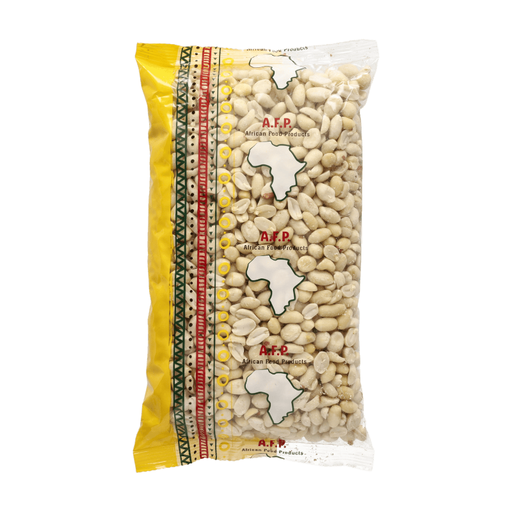 Image unavailable
A.F.P. shelled unroasted peanuts, 800 g
Worth considering if you’re looking for a supply of peanuts to use in recipes at your new home, rather than a ready-to-eat roasted snack. Prepare them appropriately for your intended use; this product isn’t suitable if you have a peanut allergy.
View on Joybuy
 Image unavailable
Andros Sport High-Protein Bar chocolate and peanut, 55 g
This bar is a handy individual format to take with you, but it belongs to a different category from plain nuts. Before comparing it with another snack, check the protein content per bar, along with the ingredients and allergen information on the packaging.
View on Joybuy
 Image unavailable
Optimum Nutrition Whipped Protein Bar peanut and salted caramel, 10 × 60 g
This multipack may suit you if you want individual bars to take with you. Before comparing the protein in one bar with a portion of nuts, check its protein content on the packaging, along with the ingredients and allergen information.
View on Joybuy
Frequently asked questions
Which figures should you compare when choosing nuts with protein in mind?
First compare the protein per 100 g, then calculate how much that means for the portion you plan to eat. E.Leclerc states that its Couleurs Vives almonds with no added salt contain 27.4 g per 100 g, while Auchan says its roasted peanuts with no added salt contain 27 g per 100 g. A mix with dried fruit may have a different nutritional profile.
Is a handful of peanuts enough after exercise?
A handful alone doesn’t tell you how much protein the whole meal provides. Auchan states that 25 g of its roasted peanuts with no added salt provides 6.6 g of protein. Consider what else you’re eating with the snack, and don’t assume the same amount is right for everyone.
How should you store a bag of nuts after opening?
Follow the instructions for the product you’ve bought. For its roasted peanuts with no added salt, Auchan says to seal the bag tightly and consume them within 5 days of opening. This guidance doesn’t automatically apply to other products.
Should you check allergen warnings on a bag of almonds?
Yes, if these warnings affect your choice. The listing for L’Atelier des Fruits Secs shelled almonds at Monoprix mentions possible traces of peanuts, other nuts, sesame, sulphites, cereals containing gluten and soya. Check the packaging of the product you’re buying.
Is the ‘high in protein’ claim enough to help you choose a bar?
No: a claim on the front of the pack doesn’t replace the nutritional values per bar. To compare a bar with a nut snack, check the protein per portion, sugars, ingredients and allergen information, without treating the two product categories as equivalent.


