What should you check first?
First decide whether your priority is protein content, carbohydrate intake around your ride or the ingredients. Then compare the nutritional values and ingredients of the product you plan to take with you.
| Criteria | What to check | Who it’s for |
|---|
| Protein |
Protein and energy per 100 g, then the amount in your chosen portion. The ‘high in protein’ claim is subject to the energy threshold set by Regulation (EC) No 1924/2006. |
If you’re looking to complement a post-ride snack, you may want to know exactly what your portion provides, without confusing grams of protein with a regulated claim. Around 42% of shoppers put this protein requirement first. |
| Carbohydrates around your ride |
Carbohydrates, sugars and the proportion of dried fruit in the mix, as well as when you plan to eat it. |
On a long ride, you may need to plan what you’ll eat during your effort as well as afterwards. Around 33% of shoppers prioritise carbohydrate fuelling. |
| Ingredients |
Added ingredients, the ‘salt’ line, declared allergens and precautionary warnings about traces. |
If you’re choosing a pack that meets your dietary requirements, you may check the ingredients first, even if the product name sounds simple. This is the main priority for around 25% of shoppers. |
Brands and retailers to know
These products show some of the ingredients you can compare; a brand or retailer won’t guarantee the same nutritional values across its entire range.
Carrefour
Carrefour’s range includes Jardin Bio almonds, Carrefour Classic' peanuts with no added salt and Carrefour Bio pumpkin seeds.
- These products let you compare nuts and seeds separately.
- For Jardin Bio almonds, the product listing gives almonds as the ingredient and identifies them as an allergen; check the nutritional values for the exact product before comparing protein content.
E.Leclerc / Marque Repère
The products listed include Couleurs Vives almonds and a Tokapi dried fruit mix.
- The E.Leclerc listing for Couleurs Vives roasted almonds with no added salt shows 27.4 g of protein and 0 g of salt per 100 g.
- The Tokapi mix with no added salt contains 11.4 g of protein per 100 g and includes sweetened cranberries: compare the products, not just their salt claims.
Auchan
Auchan’s range includes roasted almonds with no added salt and raw almonds, in a variety of pack sizes.
- The choice between raw and roasted almonds can help you find the ingredients you’re looking for.
- To compare protein, sugars and salt, check the nutritional information for each product.
Maître Prunille
Monoprix Courses lists a product of dry-roasted almonds with no added salt.
- Its product listing shows 23 g of protein and less than 0.1 g of salt per 100 g.
- The same listing identifies almonds as an allergen and mentions other allergens present in the production facility; read the warnings on the pack.
L’Atelier des Fruits Secs
Monoprix Courses lists 200 g of shelled almonds under this brand.
- The ingredients list for this product states that it contains shelled almonds.
- Its product listing warns of possible traces, including peanuts, other nuts, sesame and soya; check the packaging if these warnings are relevant to you.
Pumpkin seeds available on Joybuy
These two packs of salted pumpkin seeds could be an option for a post-ride snack. If you’re looking for an unsalted product or one carrying a ‘high in protein’ claim, check the label on the exact product before choosing.
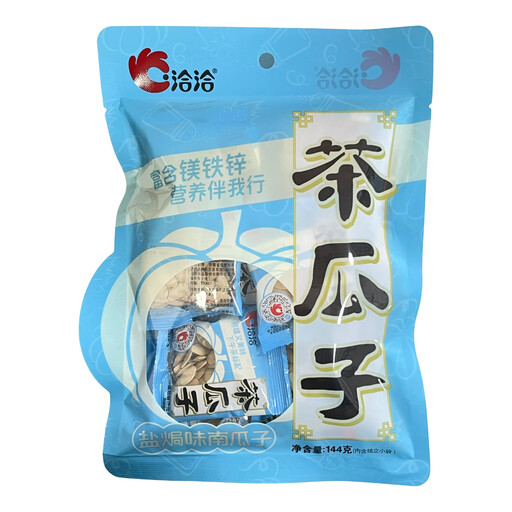 Image unavailable
Qia Qia salted, roasted tea-flavoured pumpkin seeds, 144 g
Worth considering as a post-ride snack if you enjoy this flavour.
These seeds are salted. If these factors influence your choice, check the ingredients, sodium and nutritional values on the pack.
View on Joybuy
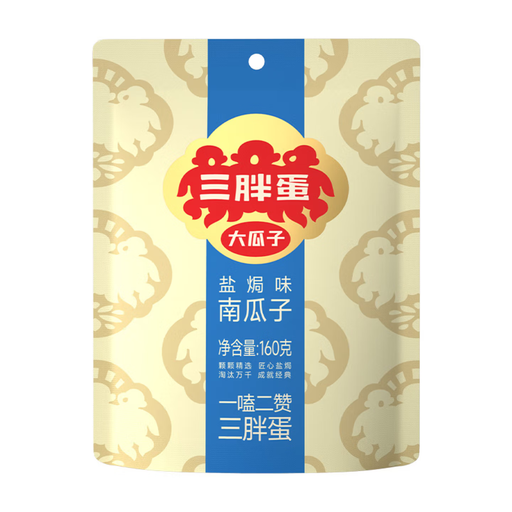 Image unavailable
Sanpangdan salted pumpkin seeds, 160 g (8 × 20 g)
The eight 20 g packs let you choose how much to take for a snack.
This product is salted. Compare its ingredients and nutritional values on the pack; portion-sized packs aren’t necessarily suitable for eating during exercise.
View on Joybuy
Frequently asked questions
Is any product containing protein automatically ‘high in protein’?
No. In the European Union, Regulation (EC) No 1924/2006 reserves the ‘high in protein’ claim for foods where at least 20% of the energy comes from protein. To assess a product, use the nutritional information for the exact item to compare the energy provided by its protein with its total energy.
Are almonds enough to fuel a long ride?
Don’t rely on almonds alone to meet all your fuelling needs on a long ride. Cycling UK recommends taking into account the distance and what you eat before, during and after your effort; plan your other food and drinks to suit the ride, and try your choices in training.
Does ‘no added salt’ mean ‘no added sugars’?
No. The Tokapi mix listed by E.Leclerc carries a ‘no added salt’ claim but contains sweetened dried cranberries. Check the ingredients list, sugars and salt separately for each product.
Should you check the allergens on a pack of plain almonds?
Yes: almonds are listed as an allergen on Carrefour’s product page for Jardin Bio almonds. Other products, including L’Atelier des Fruits Secs almonds listed by Monoprix Courses, also warn of possible traces; check the packaging of the batch you buy.
How should you store almonds after opening?
Follow the instructions on the relevant pack. For its roasted almonds with no added salt, Maître Prunille recommends storing them in a cool, dry place and resealing the pack securely after opening.


