If protein content matters when you’re choosing snacks for a drinks party, compare the figures per 100 g and check the ingredients in each packet rather than relying on the name ‘nuts’ alone. According to E.Leclerc product listings, two varieties of almonds with no added salt contain 23 and 27.4 g of protein per 100 g respectively, compared with 11.4 g for a mix containing sweetened cranberries and raisins. A mix or seasoned recipe can add variety, but check the sugar, salt and allergen information before serving.
Who are these options for?
People prioritising protein
If you want to factor protein into your choice of post-workout snack, compare packets on the same 100 g basis. E.Leclerc’s listings for two varieties of almonds with no added salt show 23 and 27.4 g of protein per 100 g. These figures describe the products; they don’t, on their own, establish a role in recovery.
Hosts looking for an unsalted option
If you want to offer a bowl with no added salt, check the ingredients for the exact product. A snack recipe may contain salt even when it’s mostly made up of nuts. Manger Bouger recommends a small handful of unsalted, unsweetened nuts with no chocolate each day.
Groups looking for a range of flavours
A nut mix or seasoned almonds adds variety to share. Ingredients vary from recipe to recipe, so read the ingredients, nutrition information and allergen warnings on each packet before filling the bowls.
What should you look for first?
For a get-together with friends, start with your main priority, then compare the labels of recipes that meet it. France’s Directorate-General for Competition, Consumer Affairs and Fraud Control says that nutrition information per 100 g makes it easier to compare food products.
| Criteria |
What to check |
Who is it for? |
| Protein |
Compare the protein per 100 g and the proportion of the main ingredients. |
After exercising, I want protein to be the main factor in choosing a packet, without suggesting that a drinks-party snack aids recovery; around 36% of consumers put this first. |
| Salt and sugars |
Read the ingredients list and check the ‘salt’ and ‘sugars’ figures per 100 g. |
If I’m letting everyone help themselves, I want to know how much salt and how many sweet ingredients the recipe contains; this is the priority for around 29% of consumers. |
| Variety of recipes |
Check which nuts are included and what the seasoning ingredients are. |
If a range of flavours and textures matters more to our drinks party than the highest possible protein content, around 14% of consumers make variety their top priority. |
| Allergens |
Check the ingredients and any ‘may contain’ warnings on each packet. |
If a guest has told me they have an allergy, I need to be able to check every product before serving it; around 21% of consumers put this information first. |
Mistakes to avoid
-
Assuming all nuts have the same protein content
According to E.Leclerc’s product listings, two varieties of almonds with no added salt contain 23 and 27.4 g of protein per 100 g. A mix of nuts, almonds, sweetened cranberries and raisins contains 11.4 g. These are different recipes, and their figures don’t apply to the entire category.
Compare the ‘protein’ figure per 100 g, then check exactly what’s in the mix.
-
Choosing a mix without checking the recipe
A salted TOKAPI mix listed by E.Leclerc contains 0.4 g of salt per 100 g and includes sunflower oil. Another TOKAPI recipe, with sweetened dried fruit, contains 35.7 g of sugars per 100 g. Despite their similar names, they have different nutritional profiles.
If you’re weighing up flavour, protein and ingredients, read the ingredients and nutrition information on each packet before deciding.
-
Pouring several packets into a bowl without checking for allergens
France’s Directorate-General for Competition, Consumer Affairs and Fraud Control says allergenic ingredients must be emphasised on the labels of prepacked foods. Carrefour Original almonds, for example, may contain traces of peanuts and other nuts.
Ask guests with allergies which allergens they need to avoid, keep each packet available and don’t assume that another recipe from the same brand is suitable for them.
-
Assuming ‘organic’ tells you what’s in the recipe
L’Amandaie’s organic pepper and lemon almonds, listed by Carrefour, also contain olive oil, agave syrup and sea salt. The organic label alone doesn’t tell you the protein, sugar or salt content.
Use the nutrition table and ingredients list for the exact product when comparing it with unseasoned almonds.
Brands to compare
These examples refer to specific products listed by E.Leclerc or Carrefour; they don’t represent every recipe from each brand.
Couleurs Vives
A 250 g packet of dry-roasted, shelled almonds with no added salt, listed by E.Leclerc.
- The listing gives shelled almonds as the only ingredient, with 27.4 g of protein and 0 g of salt per 100 g.
- These figures apply to this 250 g product; check the packet you choose.
Bio Village
A variety of organic roasted almonds with no added salt, listed by E.Leclerc.
- The listing shows 97.5% almonds, 23 g of protein and 0 g of salt per 100 g.
- The recipe also contains 2.5% sunflower oil, so these aren’t dry-roasted almonds.
TOKAPI
Two mixes listed by E.Leclerc illustrate how snack recipes can differ.
- The roasted and salted nut mix contains 18.3 g of protein per 100 g.
- The mix with sweetened cranberries and raisins contains 11.4 g of protein and 35.7 g of sugars per 100 g. Don’t assume the figures for one recipe apply to another.
Carrefour Original
A variety of roasted almonds with no added salt to compare with other snack almonds.
- Carrefour lists this product as roasted almonds with no added salt.
- It may contain traces of peanuts and other nuts. If you’re comparing protein content, check the figure on the packet.
L’Amandaie
A variety of organic pepper and lemon almonds listed by Carrefour for a seasoned snack.
- The recipe contains 93.5% roasted almonds.
- It also contains olive oil, agave syrup and sea salt; check its nutrition information if you’re comparing it with a plain recipe.
Nuts to consider on Joybuy
For sharing at a drinks party, these two packets offer a choice of lightly salted pistachios or a lightly salted mix. If protein or allergens are deciding factors, check the information on the packet before serving.
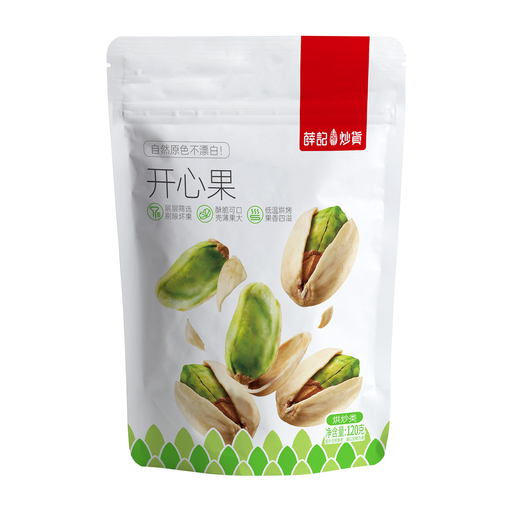 Image unavailable
Xue Ji Lightly Salted Pistachios 120 g
Ready-to-serve pistachios if you’d like to offer just one type of nut at your drinks party. They’re lightly salted, so compare the ‘salt’ figure with an option that has no added salt if this matters to you. Check for pistachio allergies before serving.
View on Joybuy
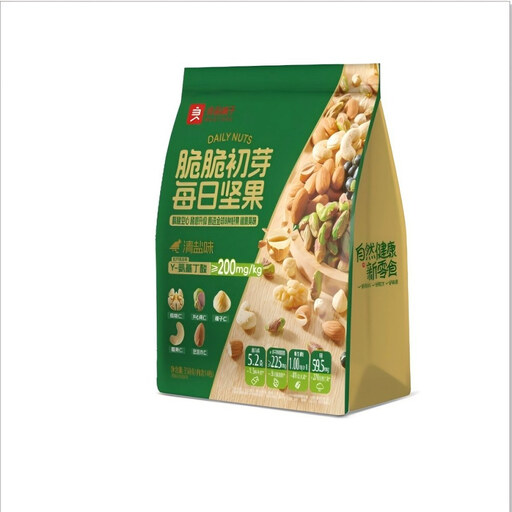 Image unavailable
Bestore Crispy Daily Nuts Lightly Salted 350 g
A ready-to-serve mix if you’d rather offer a selection of nuts and legumes than a packet of pistachios on their own. To choose it based on protein content, check the nutrition information on the packet, particularly the protein, fat and carbohydrate figures per 100 g. Check the allergens in each ingredient before sharing.
View on Joybuy
Frequently asked questions
How do I compare the protein content of two packets?
Check the ‘protein’ figure per 100 g on each packet, then read the ingredients list. Comparing only the amounts per serving can be misleading if the serving sizes aren’t the same. France’s Directorate-General for Competition, Consumer Affairs and Fraud Control says nutrition information per 100 g provides a basis for comparing food products.
Are seasoned nuts suitable if protein is my priority?
They can be one of your options, but the seasoning doesn’t tell you how much protein they contain. Compare the figure per 100 g with that of an unseasoned recipe, then check the salt, sugars and ingredients in each product.
What should I check if a guest has an allergy?
Read the ingredients and any ‘may contain’ warnings on every packet you plan to serve. Don’t assume that another recipe from the same brand has the same ingredients. France’s Directorate-General for Competition, Consumer Affairs and Fraud Control says allergenic ingredients are emphasised on the labels of prepacked foods; keep the packets available for guests who need to check them.
What should I know about the recommendation for unsalted nuts?
Manger Bouger recommends a small handful of unsalted, unsweetened nuts with no chocolate each day. For a drinks party, you can offer them alongside seasoned options, while letting everyone choose what they eat.


