When choosing snacks to enjoy in front of a programme, compare the fat content per 100 g and read the ingredients: ‘no added salt’ and ‘dry roasted’ do not mean ‘reduced fat’. Nuts naturally contain fat, while dried fruit and snack mixes have recipes that need to be checked separately, particularly for added oils and sugars. For nuts, Manger Bouger recommends a small handful that is unsalted, unsweetened and free from chocolate.
Who are these options for?
Snackers looking to avoid added oils
If you’re looking for something to snack on while watching a programme, check the ingredients before choosing a snack mix. The ingredients list can help you spot oils, frying or coatings, while the nutrition declaration shows the fat content per 100 g.
People who enjoy a snack with a drink and are watching their salt intake
Unsalted nuts could be just the crunchy snack you’re after. However, check their fat content separately: a ‘no added salt’ claim tells you nothing about this.
People who prefer fruity mixes
Raisins, dates and exotic fruit may be sold on their own or as part of a more elaborate mix. To find out what’s in the pack, read the ingredients, nutrition information and allergen statements for the specific product you choose.
What should you look at first?
Start by deciding what matters most to you: fat content, the mix’s ingredients, salt or the amount you want to serve.
| What matters to you |
What to check |
Who this is for |
| Reducing fat |
Compare the ‘fat’ value per 100 g across similar products and check the exact wording of any claim on the packaging. |
If reducing fat is my main priority, the name ‘dried fruit and nuts’ isn’t enough: I want to compare specific figures. Around 31% of consumers put this check first. |
| What’s in the mix |
Read the ingredients list to look for oils, sugar, syrups, fried fruit and coatings. |
For a night in front of the screen, I might enjoy a fruity mix but not want one made with oils or fried fruit. Ingredients are the priority for around 31% of consumers. |
| Salt |
Look for ‘unsalted’ or ‘no added salt’, then check the ‘salt’ value in the nutrition information. |
If I’m swapping a salty snack, salt is the first thing I want to keep an eye on, without confusing this with reducing fat. This is the top priority for around 23% of consumers. |
| Portion size |
Check the pack size and put the amount you want into a bowl rather than eating straight from the packet. |
For a long programme, I’d rather decide what to serve than leave an open packet within easy reach. Around 15% of consumers prioritise portion size. |
Common misconceptions to avoid
-
Assuming ‘no added salt’ means ‘reduced fat’
These claims relate to different characteristics. The TOKAPI mix with no added salt featured by E.Leclerc contains 25.0 g of fat per 100 g.
Compare fat, sugars and salt separately per 100 g, then read the ingredients for the product you’re considering.
-
Assuming an exotic mix contains only fruit
A recipe may also contain oils, sugar or fried banana. The COULEURS VIVES exotic mix featured by E.Leclerc includes fried banana and oils.
Check the ingredients list if you want to avoid these additions; the name of the mix doesn’t tell you everything that’s in it.
-
Relying on the picture on the packet for allergen information
A mix may contain several ingredients that aren’t listed on the front of the pack.
If you need to avoid an allergen, read the packaging for the product and batch you’ve bought before serving it.
-
Eating nuts straight from the packet
When you’re watching a programme, an open packet doesn’t give you a clear idea of how much you’re eating. Manger Bouger recommends a small handful of unsalted nuts a day.
Put the amount you plan to eat in a bowl and close the packet before you settle down.
Brands and retailers to look out for
The examples below show different types of recipes to compare; they don’t mean that these ranges are generally ‘reduced fat’.
Carrefour
Carrefour’s range includes dried fruit and nuts, including roasted pistachios with no added salt.
- A product with no added salt lets you focus on this when choosing a snack to enjoy with a drink.
- This claim doesn’t tell you the fat content: check the label of the product you choose.
Marque Repère / TOKAPI (E.Leclerc)
TOKAPI offers a 150 g mix of dried fruit and nuts with no added salt.
- Its product information lets you compare several nutrition values per 100 g.
- According to E.Leclerc, this mix contains 25.0 g of fat and 41.0 g of sugars per 100 g. So ‘no added salt’ on its own doesn’t meet the needs of anyone looking to reduce fat.
Auchan
Auchan’s range includes an unsalted mix and other mixes of dried fruit and nuts to enjoy with a drink.
- The name ‘unsalted mix’ makes it easy to spot an option when salt is your main concern.
- To compare fat content or added ingredients, check the details of the specific product.
Alesto (Lidl)
At Lidl, Alesto brings together nuts, dried fruit and snacks to enjoy with a drink.
- The range lets you look for nuts rather than an exotic mix.
- The category or brand alone doesn’t prove that a product is reduced fat.
TRADER JOE'S® (ALDI France)
ALDI sells unsalted roasted cashews and another dry-roasted product under this brand.
- These product names make it easier to find a preparation that suits your salt or cooking preferences.
- Neither ‘unsalted’ nor ‘dry roasted’ proves that the product is reduced fat.
Monoprix
Monoprix’s range includes raisins, dates and dried figs, including Monoprix Bio products.
- These dried fruits give you an alternative to a snack mix of nuts.
- Check the ingredients and nutrition values on each packet before comparing them.
Dried fruit available on Joybuy
These products are suitable as dried fruit snacks for a night in, rather than as a selection of nuts to enjoy with a drink. Their fat values and recipes should be compared product by product; a figure on its own doesn’t amount to a ‘reduced fat’ claim.
 Image unavailable
Haoxiangni, Grade 2 pitted red dates, 500 g
If you’re looking for a dried fruit snack with no oil in the ingredients list, the product information lists 100% jujubes and 0.5 g of fat per 100 g. It also lists 60 g of sugars per 100 g; the 500 g pack isn’t a single portion.
View on Joybuy
 Image unavailable
Haoxiangni Grade 2 Fresh-Locked, pitted red dates, Original Flavour, 280 g
If you’re looking for jujubes with no oil listed in the ingredients, the product information lists 100% jujubes and 0.0 g of fat per 100 g. It also lists 66.5 g of sugars per 100 g; portion out what you want to serve from the 280 g pack.
View on Joybuy
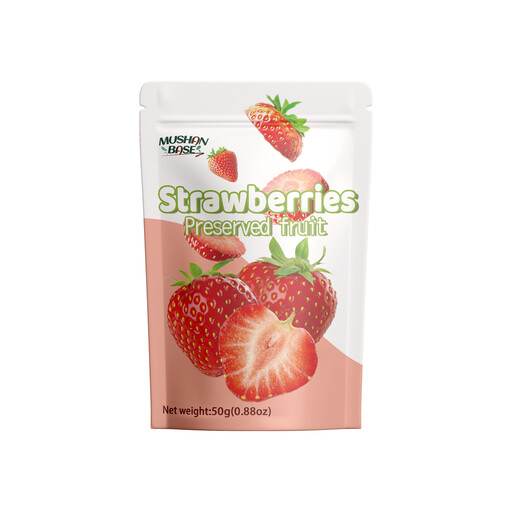 Image unavailable
MUSHAN BASE Bai Cao Wei, strawberry snack, 50 g
The 50 g pack could suit you if you want to prepare a small portion of a fruity snack. The product information lists 0.5 g of fat per 100 g, but the recipe contains sugar and has 70 g of sugars per 100 g.
View on Joybuy
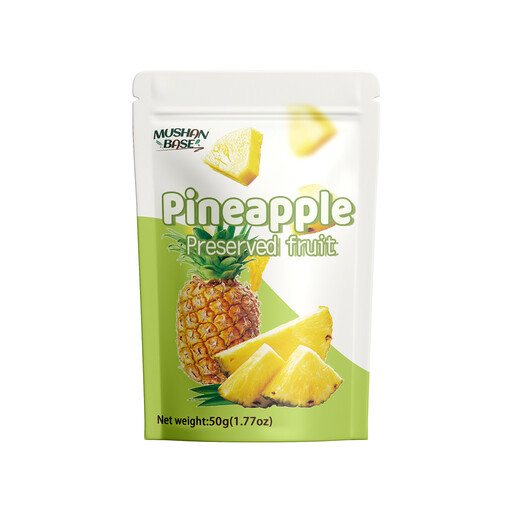 Image unavailable
MUSHAN BASE, dried pineapple, 50 g
For a fruity snack in a 50 g pack, the product information lists 2.8 g of fat per 100 g. The recipe also contains sugar and syrups, with 60.3 g of sugars per 100 g; the product information notes that it contains sulphites.
View on Joybuy
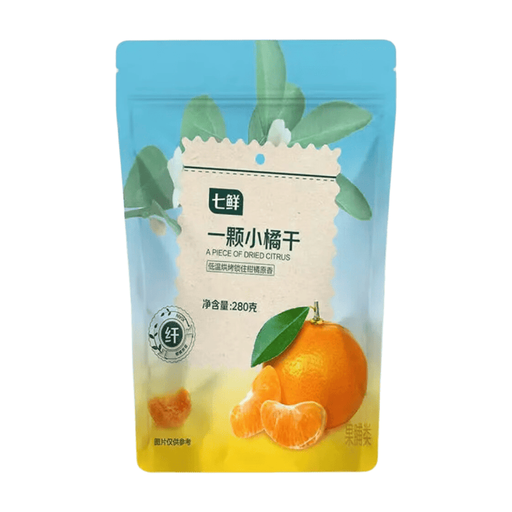 Image unavailable
7FRESH One Small, dried mandarins, 280 g
For a dried mandarin snack, the product information lists 0.8 g of fat per 100 g and no oil in the ingredients. However, the recipe contains added sugar; the 280 g pack lets you serve the amount you want separately.
View on Joybuy
Frequently asked questions
Is a pack of dried fruit and nuts automatically ‘reduced fat’?
No. You can’t tell from the name ‘dried fruit and nuts’ or from a low figure in isolation. Compare similar products and check the exact claim on the packaging. For a ‘low fat’ claim on solid food, the European Commission sets a maximum of 3 g of fat per 100 g; ‘reduced fat’ is a different claim.
Does ‘no added salt’ also mean less fat?
No: the claim relates to salt. For example, E.Leclerc lists 25.0 g of fat per 100 g for its TOKAPI mix with no added salt. So check fat and ingredients independently of salt.
How can you find out what’s really in an exotic mix?
Read the ingredients list rather than relying on the name alone or the fruit pictured on the pack. The COULEURS VIVES exotic mix featured by E.Leclerc includes sunflower oil and fried banana containing coconut oil and sugar.
How many nuts should you serve while watching a programme?
Manger Bouger recommends a small handful a day of unsalted, unsweetened nuts with no chocolate. You can put some in a bowl before you start, rather than leaving the packet open during the programme. This guide applies to nuts, not to all dried fruit indiscriminately.


