To add a protein-focused snack to your lunch at university, compare the figures per 100 g for the exact product, then consider the portion you’ll take with you. Almonds and pistachios may suit your priorities, but with a salted option or a mix containing raisins, you’ll also need to check the salt, sugars and ingredients. A snack like this isn’t a substitute for lunch on its own.
Who is this guide for?
Students prioritising protein
You’re looking for a snack to pop in your bag and comparing protein per 100 g rather than relying on the packaging. Product listings from E.Leclerc and Monoprix Courses show 23 g per 100 g for Bio Village almonds and 20 to 25 g per 100 g for the pistachio products mentioned, depending on the variety.
Students who prefer an unsalted, unsweetened snack
You want to add something to your lunch regularly without automatically reaching for a salted or sweetened option. The Manger Bouger programme recommends a small handful of unsalted, unsweetened nuts without chocolate each day.
Students mindful of allergens
You’re buying for yourself or someone with an allergy or intolerance. Check the ingredients and any ‘may contain’ warnings on the product you choose. France’s Directorate General for Competition Policy, Consumer Affairs and Fraud Control reminds food businesses that allergenic ingredients must be highlighted on the label.
What should you look at first?
When choosing a snack to go with lunch, start with your priority: protein, ingredients, portability or allergens. Then compare the exact product, as a mix of dried fruit and nuts is different from a bag of almonds alone.
| What matters to you |
What to check |
Who is this for? |
| Protein content |
Compare the protein per 100 g, then work out how much that means for the portion you’ll take with you. For a mix, check the first ingredient too. |
I want a snack to add to my lunch, chosen first and foremost for its protein, so I need to know how much I’ll actually eat; around 40% of consumers would put protein content first. |
| Salt and sugars |
Check the ‘salt’ and ‘of which sugars’ figures per 100 g, as well as the ingredients list. |
If I take nuts or dried fruit with me often, I want to tell the difference between a plain option, a salted product and a fruity mix; around 30% of consumers would make this their priority. |
| Portability and portion size |
Check the pack size, storage instructions and whether you can prepare a portion that suits your break. |
Between lectures, I need a snack that’s easy to carry and store properly; around 20% of consumers would put this first. |
| Allergens |
Check which allergenic ingredients are highlighted and look for any ‘may contain’ warnings on the pack you buy. |
If an allergy or intolerance is involved, I need to check the product before considering its nutritional values; around 10% of consumers would make this their priority. |
What should you watch out for?
-
Assuming all nuts and dried fruit contain the same amount of protein
Product listings from Monoprix Courses, E.Leclerc and Auchan show 25 g of protein per 100 g for Monoprix Bio pistachios, 23 g for Bio Village almonds and 14 g for the Bénénuts mix mentioned. So the product category alone isn’t enough to compare them.
Check the per-100 g figure for each product and see where the nuts appear in the ingredients list.
-
Choosing salted pistachios without checking the salt
Monoprix Courses lists 0.8 g of salt per 100 g for its Monoprix Bio pistachios and 0.88 g per 100 g for the Vico pistachios mentioned, compared with 0 g for Bio Village almonds, according to E.Leclerc.
If you’re looking for an unsalted snack to enjoy regularly, compare plain options or those with no added salt before choosing a salted variety for its flavour.
-
Relying on the brand to check for allergens
Check the ingredients and any ‘may contain’ warnings on the product you’re buying, not on another product in the same range. France’s Directorate General for Competition Policy, Consumer Affairs and Fraud Control states that allergenic ingredients must be highlighted.
Read the label every time you buy. If the product is sold loose, ask the retailer for allergen information.
-
Taking a large bag without planning for your break
A pack designed for sharing or keeping at home may not be easy to open, portion out and store between lectures.
Decide how much you want to take with you and check how to store the product after opening.
Brands to compare
Bio Village (E.Leclerc)
Bio Village almonds are a useful comparison if you’re looking for nuts with no added salt.
- E.Leclerc lists 23 g of protein and 0 g of salt per 100 g for the product mentioned.
- Check the ingredients and pack size of the specific product you choose rather than assuming these figures apply to the whole range.
Monoprix Bio
The roasted, salted pistachios in this range let you compare protein and salt on the same label.
- Monoprix Courses lists 25 g of protein and 9.7 g of fibre per 100 g for the product mentioned.
- The same product contains 0.8 g of salt per 100 g; check the allergen information on its packaging too.
Vico
The Vico pistachios mentioned are another salted option to consider if you’re after a pistachio snack.
- Monoprix Courses lists around 20 g of protein per 100 g for this product.
- Its listing also gives around 0.88 g of salt per 100 g, so it’s not suitable if you’re looking for unsalted pistachios.
Bénénuts
The unsalted mix listed by Auchan combines dried fruit and nuts, for anyone who likes a variety of ingredients.
- Auchan lists 14 g of protein and 0.02 g of salt per 100 g for this product.
- The mix also contains raisins, so check the ingredients and sugars if protein content is your priority.
Alesto (Lidl)
The Alesto range includes almonds described as plain by Lidl France.
- Plain almonds can be a useful starting point if you want to compare unsalted nuts.
- Read the ingredients and nutritional information on the specific pack before comparing it with other products.
Nuts available on Joybuy
These walnut and pistachio options are worth considering as a nut-based snack to go with lunch at university. Pack size, shells and storage instructions can matter just as much as how easy they are to carry.
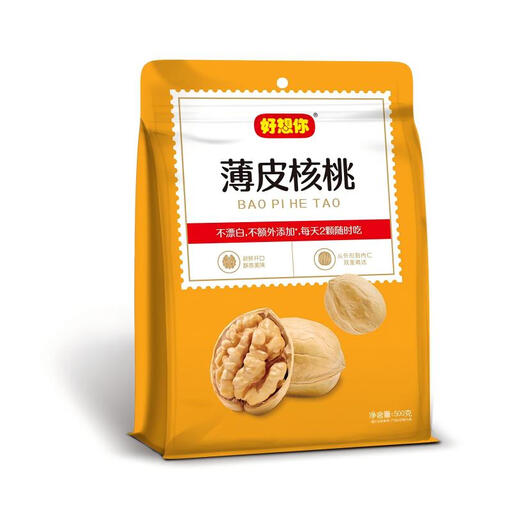 Image unavailable
Haoxiangni thin-shell walnuts, 500 g in 8 packs
The eight individual packs make it easy to spread the walnuts across several breaks. You’ll need to crack the shells before eating them, though, and be able to keep them at the stated temperature of 0 to 4 °C until lunchtime. If salt or allergens affect your choice, check the information on the packaging.
View on Joybuy
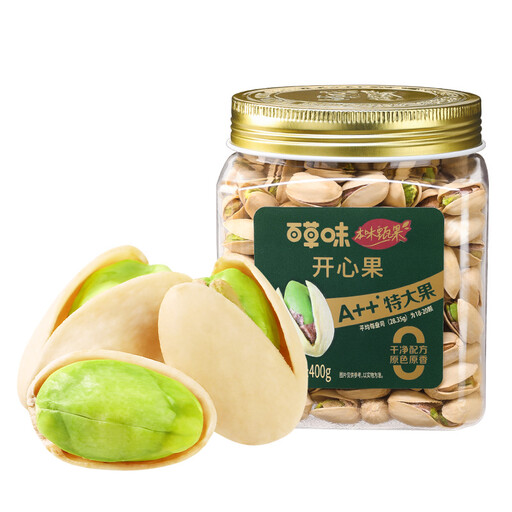 Image unavailable
BE&CHEERY Premium pistachios, 400 g
This 400 g pack is a good choice if you plan to portion it out before heading to university. The pistachios are salted and need shelling. If you’re comparing several packs for protein or salt, check the per-100 g figures for each one. Check the allergen information on the pack too.
View on Joybuy
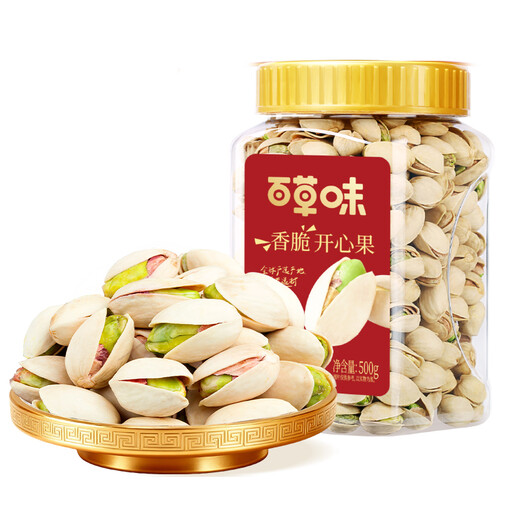 Image unavailable
BE&CHEERY pistachios, 500 g
You can portion out this 500 g bag to take with you rather than carrying the whole pack. These pistachios are salted and need shelling. Check the packaging for nutritional information, allergens and storage instructions relevant to how you plan to use them.
View on Joybuy
Frequently asked questions
Does a mix of nuts and dried fruit always contain more protein than almonds?
No. Auchan lists 14 g of protein per 100 g for the Bénénuts mix mentioned, while E.Leclerc lists 23 g per 100 g for Bio Village almonds. Compare the figures for the exact product and the amount you plan to eat.
Should you choose unsalted nuts for a regular snack?
The Manger Bouger programme recommends a small handful of unsalted, unsweetened nuts without chocolate each day. If you prefer a salted option, check its salt content per 100 g rather than assuming all pistachios have the same composition.
How can you check for allergens when nuts and dried fruit are sold loose?
Ask the retailer for allergen information, and don’t assume a product is free from allergens based on how it looks. In France, Légifrance states that information about substances or products that may cause allergies or intolerances must be made available to the end consumer for non-prepacked foods.
How should you store a bag of nuts and dried fruit during a day of lectures?
Follow the storage instructions for the product you choose and reseal the bag properly after opening. The guidance cited by Auchan for the Bénénuts mix and by Monoprix Courses for Vico pistachios recommends keeping them in a dry place away from light. Check your own pack separately for any specific storage instructions.


