If you’re looking for a verifiable protein content for a snack, compare the nutritional information for a specific product rather than relying on the presence of seeds or sporty packaging. For children, age-appropriate form, allergens and ingredients matter more than any idea of post-exercise recovery: according to Manger Bouger, whole nuts should not be given to children under 6.
Who is this choice for?
Parents of children under 6
The form of the snack should be your first consideration. Manger Bouger advises against giving whole nuts to children under 6 because of the risk of choking, and recommends offering them ground or powdered in a recipe instead.
Parents comparing protein content
You want to check the protein content in the nutritional information for the exact product, without treating a snack as a sports recovery food.
Parents who pay attention to snack ingredients
You want to tell unsalted, unsweetened nuts apart from mixes containing, for example, sweetened dried fruit, chocolate or seasoning.
What should you check?
When choosing a snack for a child, start with the product’s form and allergens, then compare the ingredients and nutritional values of the product you’re considering.
| Criteria |
What to check |
Who it matters to |
| Age-appropriate form |
For children under 6, choose ground or powdered nuts rather than whole ones. Take your child’s ability to chew into account. |
For a young child, being able to add powdered nuts to a recipe matters more than serving them as a snack; around 36% of consumers would make age-appropriate form their priority. |
| Verifiable protein content |
Compare protein and energy per 100 g. Under Regulation (EC) No 1924/2006, the claim ‘high in protein’ requires at least 20% of the energy to come from protein. |
If protein content is the reason for buying, a figure on the label matters more than a suggestive product name; around 29% of consumers would put this check first. |
| Snack ingredients |
Read the ingredients list and check the sugar and salt values; distinguish plain seeds from sweetened or seasoned mixes. |
If you want to avoid a sweet or salty mix, what’s in the packet matters more than which aisle it’s sold in; this would be the main criterion for around 21% of consumers. |
| Pack size and availability |
Check the packet weight and whether the product is available at your chosen shop or collection service. |
If you want to include these products in your regular shop, finding a suitable pack size at your local store is key; around 14% of consumers would make this their priority. |
Mistakes to avoid
-
Assuming all seeds are ‘high in protein’
The presence of seeds alone isn’t enough to support this claim. Regulation (EC) No 1924/2006 looks at the proportion of energy provided by protein, not just the amount of protein.
Compare the figures for the exact product. For the 500 g pack of Markal pumpkin seeds listed by Monoprix Courses, 35.0 g of protein and 540 kcal per 100 g equate to around 25.9% of energy from protein; this result doesn’t apply to other products.
-
Offering whole nuts too soon
Manger Bouger warns that whole nuts pose a risk of choking for children under 6.
For a child under 6, choose ground or powdered nuts mixed into a recipe. For older children, always choose a form that suits their ability to chew.
-
Confusing a mix with plain seeds
A mix of dried fruit, nuts and seeds may contain other ingredients. Auchan, for example, lists sugar and sunflower oil in the cranberries in a Juste Bio mix.
Read the ingredients list for the specific product. Manger Bouger’s guidance is for unsalted, unsweetened nuts without chocolate; it doesn’t automatically apply to every mix.
-
Guessing allergens from the product name
A packet of seeds may carry a ‘may contain’ warning. Carrefour’s Carrefour Bio product, for example, may contain traces of peanuts, sesame, soya, cereals containing gluten and nuts.
Check the ingredients and warnings on the packet you buy. A brand or product category name can’t tell you whether a product is suitable for someone with an allergy.
Brands to know when comparing products
Carrefour Bio
Carrefour offers organic pumpkin seeds in a 200 g packet.
- A clearly identifiable pumpkin seed product for comparing labels.
- The product may contain traces of peanuts, sesame, soya, cereals containing gluten and nuts. If protein content guides your choice, check its nutritional information too.
Bio Village
This Marque Repère brand is listed by E.Leclerc with 200 g packs of organic pumpkin seeds.
- The pack size makes it easy to identify the product to look for in store.
- To assess its protein content, read the nutritional values on the specific packet.
Juste Bio
Auchan offers Juste Bio pumpkin seeds loose, separately from the mixes sold under the same brand.
- The listing for the loose pumpkin seeds states that they are made from 100% organic pumpkin seeds.
- The Juste Bio gourmet mix is a different product: its cranberries contain sugar and sunflower oil, among other ingredients. Compare the nutritional information for each product separately.
Markal
The 500 g pack of Markal China Bio pumpkin seeds listed by Monoprix Courses gives you figures to compare protein content.
- For this specific product, Monoprix Courses lists 35.0 g of protein and 540 kcal per 100 g.
- The product may contain traces of gluten, nuts, sesame and soya. These figures don’t amount to a promise of sports recovery.
BIO® (Aldi)
Aldi France lists organic pumpkin seeds among its seed products.
- A 175 g pack features in the range of organic seeds described by Aldi France.
- Check which product is available at your local store and review its nutritional information before choosing it for its protein content.
Pumpkin seeds available on Joybuy
These roasted pumpkin seed products are seasoned or salted. For a child’s snack, compare their ingredients and check the form of the seeds and any allergen warnings on the packet.
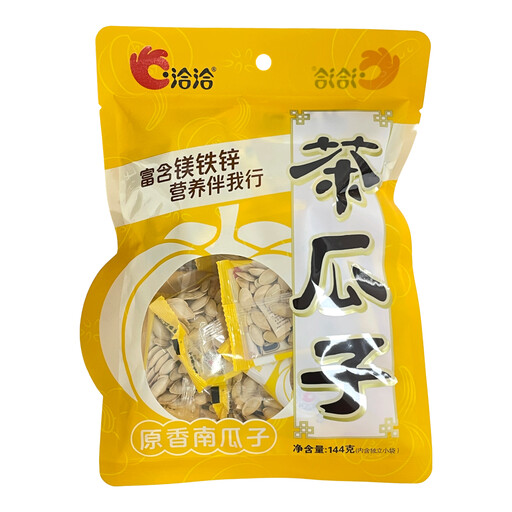 Image unavailable
ChaCha Original roasted pumpkin seeds, 144 g
Worth considering if you’re looking for roasted pumpkin seeds for a snack rather than a dried fruit mix. This 144 g version is seasoned with ingredients including salt and green tea flavouring. Check the ingredients, allergens and form of the seeds before offering them to a child.
View on Joybuy
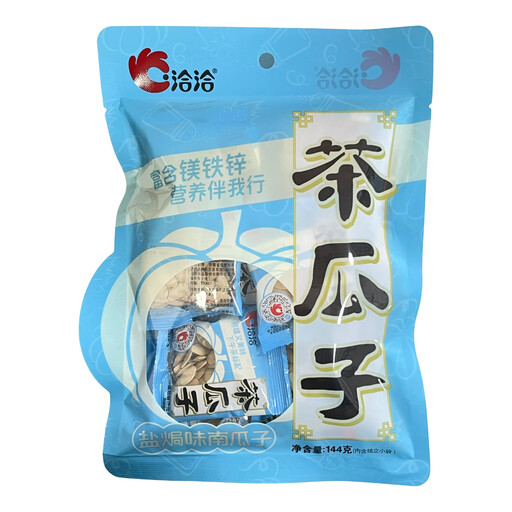 Image unavailable
Qia Qia salted roasted pumpkin seeds, tea flavour, 144 g
This product is useful for comparing labels on roasted seeds, but don’t mistake the salted version for plain seeds. The packet contains 144 g. Before serving it as a child’s snack, read the nutritional information and allergen details, and check the preparation instructions.
View on Joybuy
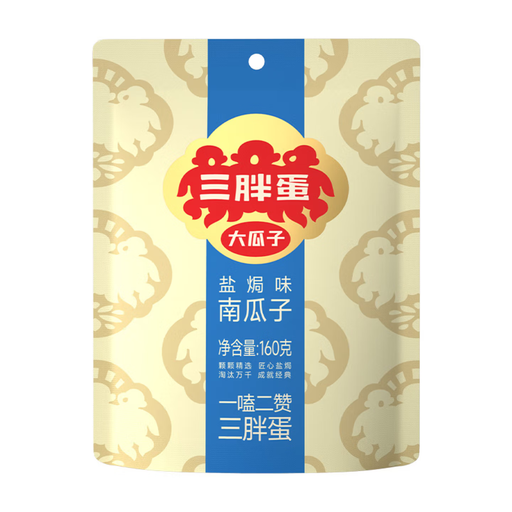 Image unavailable
Sanpangdan salted pumpkin seeds, 8 × 20 g
The eight 20 g sachets make this a different format from a single large packet. The product is salted and its description says the seeds are in their shells and need to be opened. Carefully check whether this form is suitable for your child’s age and ability to chew, and read the packet’s ingredients and allergen information.
View on Joybuy
Frequently asked questions
What does ‘high in protein’ mean on food sold in France?
Under Regulation (EC) No 1924/2006, at least 20% of a food’s energy value must come from protein for it to carry this claim. The words ‘seeds’ or ‘sport’ alone don’t confirm that it meets this requirement: compare the protein and energy figures per 100 g on the specific product.
Can children under 6 have whole walnuts or almonds?
No. Manger Bouger advises against giving whole nuts to children under 6 because of the risk of choking; offer them ground or powdered in a recipe instead.
How can you check the allergens in a packet of seeds?
Read the ingredients list and any ‘may contain’ warnings on the packet you buy. The DGCCRF states that allergenic ingredients must be highlighted on the label of prepacked foods; possible traces can vary from one product to another.
How should you store pumpkin seeds after buying them?
Follow the instructions for the specific product. For its loose pumpkin seeds, Juste Bio recommends storing them in a cool, dry place; also check the instructions and best-before date on the packaging you buy.


