What should you check first?
First, choose between whole nuts, ground nuts and mixes based on how you plan to use them. Then compare their nutritional information on the same 100 g basis.
| Criteria | What to check | Who it matters to |
|---|
| Protein content |
Compare protein per 100 g and check the ingredients list to distinguish nuts from dried fruit. |
When putting together a snack for around a workout, some people want to compare the protein content of products first. Around 31% of consumers put this criterion top of their list. |
| Pack size |
Check the pack weight and choose an amount you’ll use. |
If a pack might be left open and unfinished, being able to use all of it becomes a priority. This is the main concern for around 25% of consumers. |
| Sugars and salt |
Read the ingredients and check the “sugars” and “salt” figures per 100 g, especially for mixes. |
For a regular snack, some people prefer to avoid salted mixes or those containing sweetened dried fruit. Around 25% of consumers prioritise these ingredients. |
| Form and use |
Choose whole nuts for a handful or ground nuts for a recipe, and check the suggested portion. |
If you’re taking your snack with you, the format matters more than it would for an ingredient to add to a recipe. Convenience comes first for around 19% of consumers. |
Nuts and snacks available on Joybuy
This selection includes cashews, peanuts and almond-based snacks. The different formats and seasonings aren’t all suited to the same use, so compare the ingredients on the pack you’re interested in.
 Image unavailable
BENENUTS Unsalted Cashew Nuts, 130 g
Whole cashews for a snack to take with you.
If you avoid peanuts or other nuts, check the “may contain” information on the pack you buy.
View on Joybuy
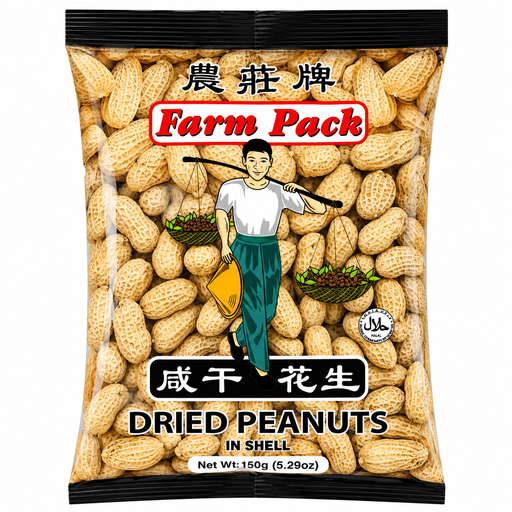 Image unavailable
Farm Pack Dried Peanuts, 300 g
A pack of peanuts to consider if the size suits how much you’ll eat.
The listed ingredients include salt and sugar. If you’re looking for an unsalted snack, check the label before you choose.
View on Joybuy
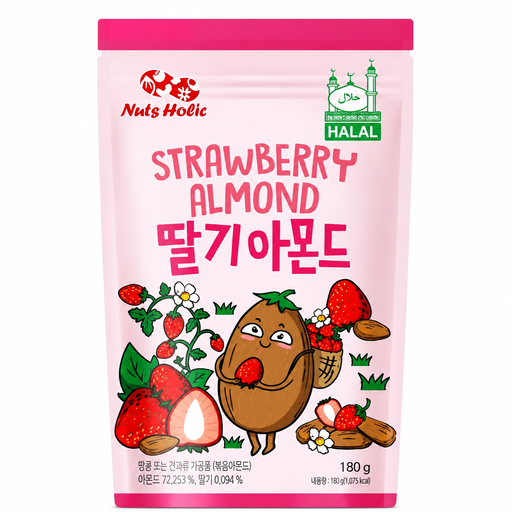 Image unavailable
Nutsholic Strawberry Flavour Almonds, 180 g
An almond-based snack for anyone who’d prefer a flavoured option to plain almonds.
The sweet flavouring is worth bearing in mind when choosing: check the ingredients list and sugars per 100 g.
View on Joybuy
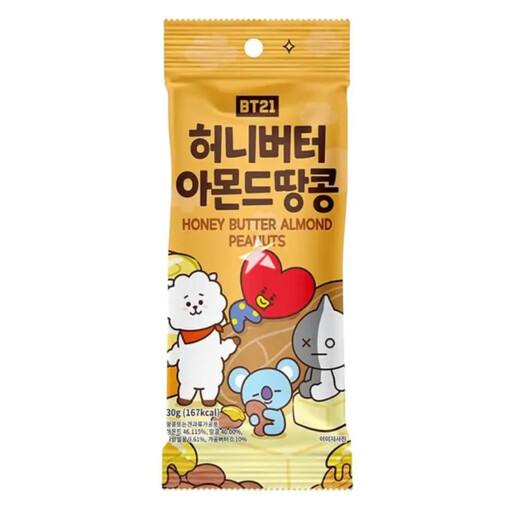 Image unavailable
BT21 Honey Butter Almond, 30 g
A small pack of flavoured almonds to take with you.
To tell them apart from plain almonds, read the ingredients and nutritional information, especially the sugars figure.
View on Joybuy
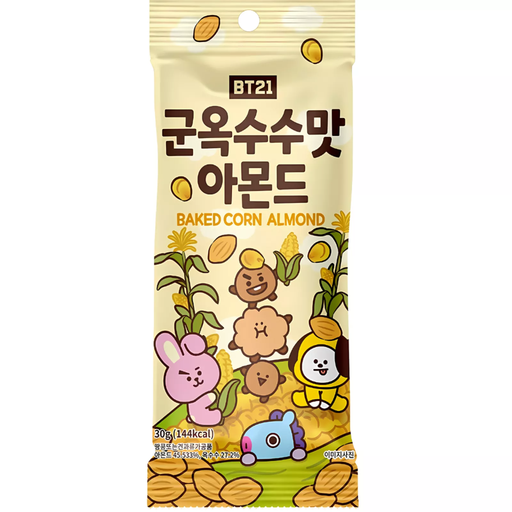 Image unavailable
BT21 Baked Corn Flavor Almond, 30 g
A small almond snack with a baked corn flavour.
If your priority is the ingredients in a handful of nuts, check the ingredients list and compare protein and sugars per 100 g.
View on Joybuy
Frequently asked questions
Are dried fruits suitable if I’m mainly comparing protein?
Start by comparing nuts instead: Anses includes almonds, pistachios and peanuts among its plant-based sources of protein. Manger Bouger points out that dried fruit, such as dates and raisins, naturally contains a lot of sugars. Check the ingredients in a mix before comparing it with plain almonds.
How do I compare two packs of dried fruit and nuts?
Compare the nutritional information per 100 g, paying particular attention to protein, sugars, fat and salt, then read the ingredients. The French Directorate-General for Competition Policy, Consumer Affairs and Fraud Control states that nutritional information is given per 100 g or 100 ml to make comparisons easier.
Does a “no added salt” mix necessarily contain little sugar?
No. “No added salt” tells you nothing about its sugar content. The TOKAPI no-added-salt mix listed by E.Leclerc contains sweetened dried fruit and provides 35.7 g of sugars per 100 g, so check the ingredients and nutritional information.
What should I check on the pack if I have an allergy?
Check the ingredients for allergens and look for any “may contain” statements on the pack you buy. The French Directorate-General for Competition Policy, Consumer Affairs and Fraud Control states that allergens must be highlighted. For example, the Carrefour Bio listing for one almond product mentions that it may contain traces of peanuts and other nuts.


