Sports enthusiasts planning a post-workout snack
You want to compare clearly labelled protein content, without assuming that a packet on its own is enough for your post-workout snack.


To compare snacks to take with you after sport, check the protein per 100 g on each packet: the term ‘dried fruit’ isn’t enough to distinguish between almonds, peanuts, pistachios and mixes. Choose according to the recipe and how you plan to use it, too: ready-to-eat nuts need no preparation, while a mix of dried fruit calls for a separate check of its sugar content. The amount shown on the label alone won’t tell you whether the snack suits your needs after exercise.
You want to compare clearly labelled protein content, without assuming that a packet on its own is enough for your post-workout snack.
You’re looking for something easy to take with you and prefer to check the salt, added ingredients and allergens before offering it to others.
You enjoy mixes combining nuts and dried fruit, but want to check their protein and sugar content separately.
For a picnic, start by comparing the ingredients and protein per 100 g. Then check whether the product is ready to eat and safe to share with everyone taking part.
| What to check | Look for | Who is it for? |
|---|---|---|
| Protein and product type | Compare the protein per 100 g and distinguish between a ready-to-eat packet and a powder intended for cooking. | If I want to take a snack with me after sport, I look for clearly labelled protein content and avoid confusing almond powder with almonds for snacking. This would be the top priority for around 40% of consumers. |
| Salt and added ingredients | Look for ‘no added salt’ or ‘unsalted’, then check the salt content and ingredients list. | If I plan to share a packet regularly, I prefer to know whether the recipe contains salt or seasonings. Around 30% of consumers would put this kind of simple recipe first. |
| Sugars in mixes | Check how much dried fruit is included in the ingredients, then compare the sugars and protein per 100 g. | I like a mix for its variety, but want to distinguish the nuts from the raisins or sweetened cranberries. This would be the top priority for around 20% of consumers. |
| Allergens and sharing | Check the allergens in the recipe and have another option ready if the packet isn’t suitable for everyone. | Before serving several people, I need to take allergies and children’s ages into account. Safe sharing would come first for around 10% of consumers. |
A mix can combine nuts and almonds with a substantial amount of dried fruit. E.Leclerc’s product listing for the Tokapi mix mentions sweetened dried cranberries and raisins, for example.
If protein is your top priority, compare the ingredients list and the protein and sugar per 100 g with those of a packet containing nuts only.
E.Leclerc’s listings for some dry-roasted peanuts also mention salt and flavourings. The roasting method doesn’t tell you everything about the recipe.
Look for the wording that matches your preference, then check the ingredients and salt content of the specific product.
Peanuts and tree nuts can cause allergic reactions. Whole nuts can also pose a choking risk for young children.
Keep the packaging so you can check the allergens before sharing, and don’t serve whole nuts to young children.
Monoprix lists a 100 g packet of organic blanched almonds from the brand.
The product listed by Auchan is 100 g of organic almond powder, intended mainly for cooking.
The products listed by E.Leclerc include a mix of nuts and dried fruit, as well as several types of peanuts.
The products listed include peanuts and pistachios in no-added-salt versions.
These nuts and peanuts give you a choice of portable formats to compare for your picnic. Raw peanuts need preparing before you set off, while in-shell products also require some effort when it’s time to eat.
 Image unavailable
A handy option to snack on straight from the packet if you’re looking for something small to take on a picnic. The recipe contains sunflower oil despite having no added salt; check the allergens before sharing.
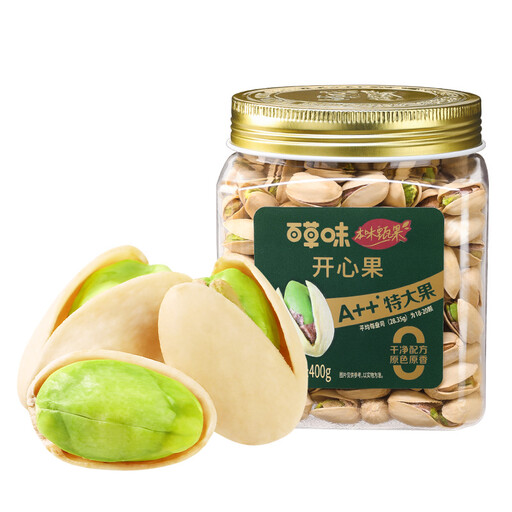 Image unavailable
This size could suit a picnic where you don’t mind shelling the pistachios. The recipe contains salt, so it isn’t suitable if you’re looking for pistachios with no added salt. Check the allergens before sharing.
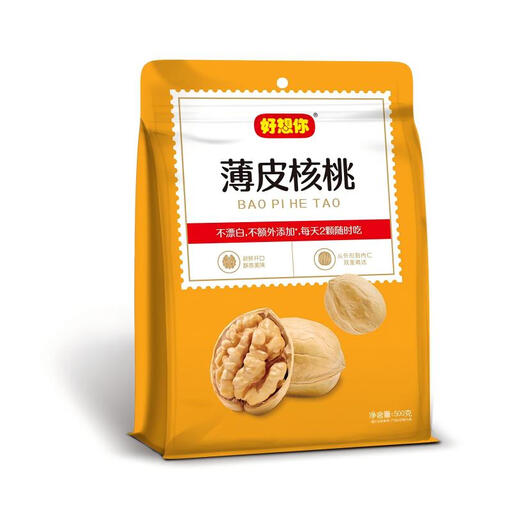 Image unavailable
Worth considering if you don’t mind cracking the shells during your picnic. The storage instructions for this product state 0 to 4 °C, so make sure you can keep it at that temperature while you’re out in summer. Check the allergens before sharing, too.
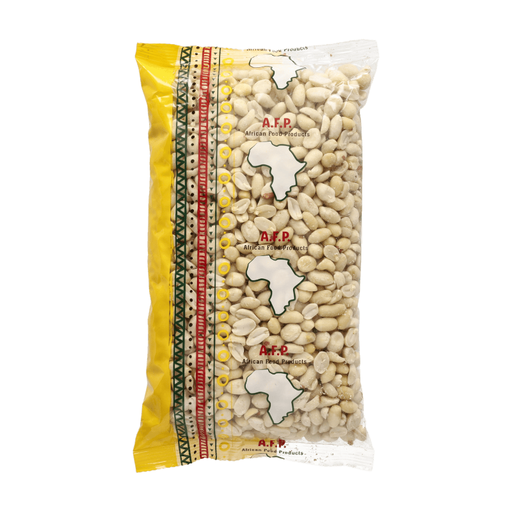 Image unavailable
This product is better suited to a recipe prepared before your picnic: raw peanuts aren’t ready to snack on straight from the packet. Factor in the preparation and the peanut allergen before choosing a recipe to share.
No: this claim refers to salt. The Tokapi mix with no added salt listed by E.Leclerc contains sweetened dried cranberries, among other ingredients. Check the ingredients list and the sugar and salt content separately.
The protein content lets you compare products, but it doesn’t determine on its own what’s right for you after exercise. Consider your workout and the rest of your snack rather than using a single figure on the label to work out how much you need.
Read the ingredients list for the specific product before serving it. The French Directorate-General for Competition Policy, Consumer Affairs and Fraud Control states that allergenic ingredients must be highlighted on the labels of prepacked food.
Avoid serving whole nuts to young children because of the choking risk. If you’re sharing food at a picnic, check for allergens too and have an option that’s suitable for everyone taking part.
Manger Bouger gives a small handful of unsalted, unsweetened nuts with no chocolate as a general daily guide. This isn’t a recommended amount for a post-workout snack: choose a format based on who’ll be sharing the picnic.